Finished Products Conveyor for Packaging Line Outfeed
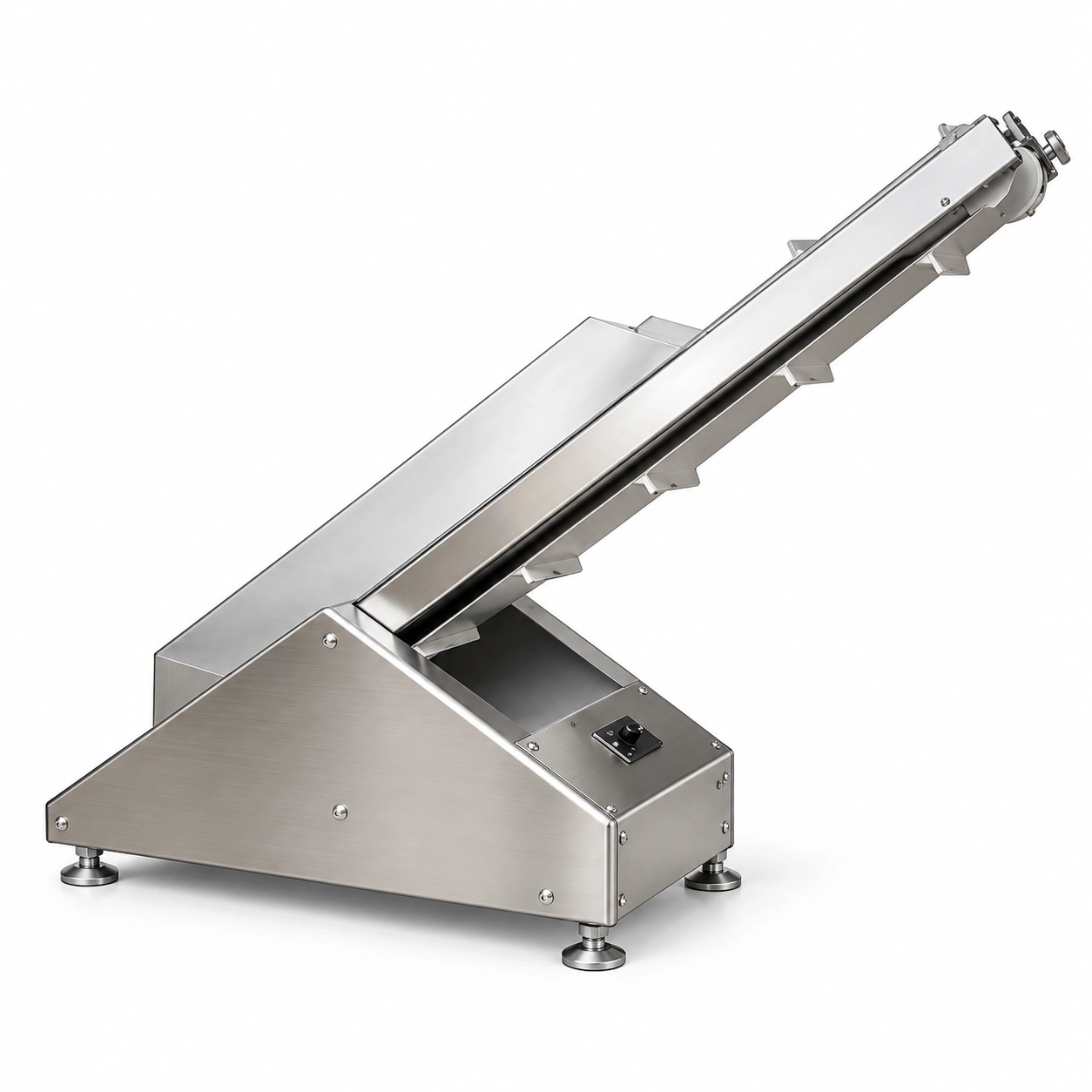
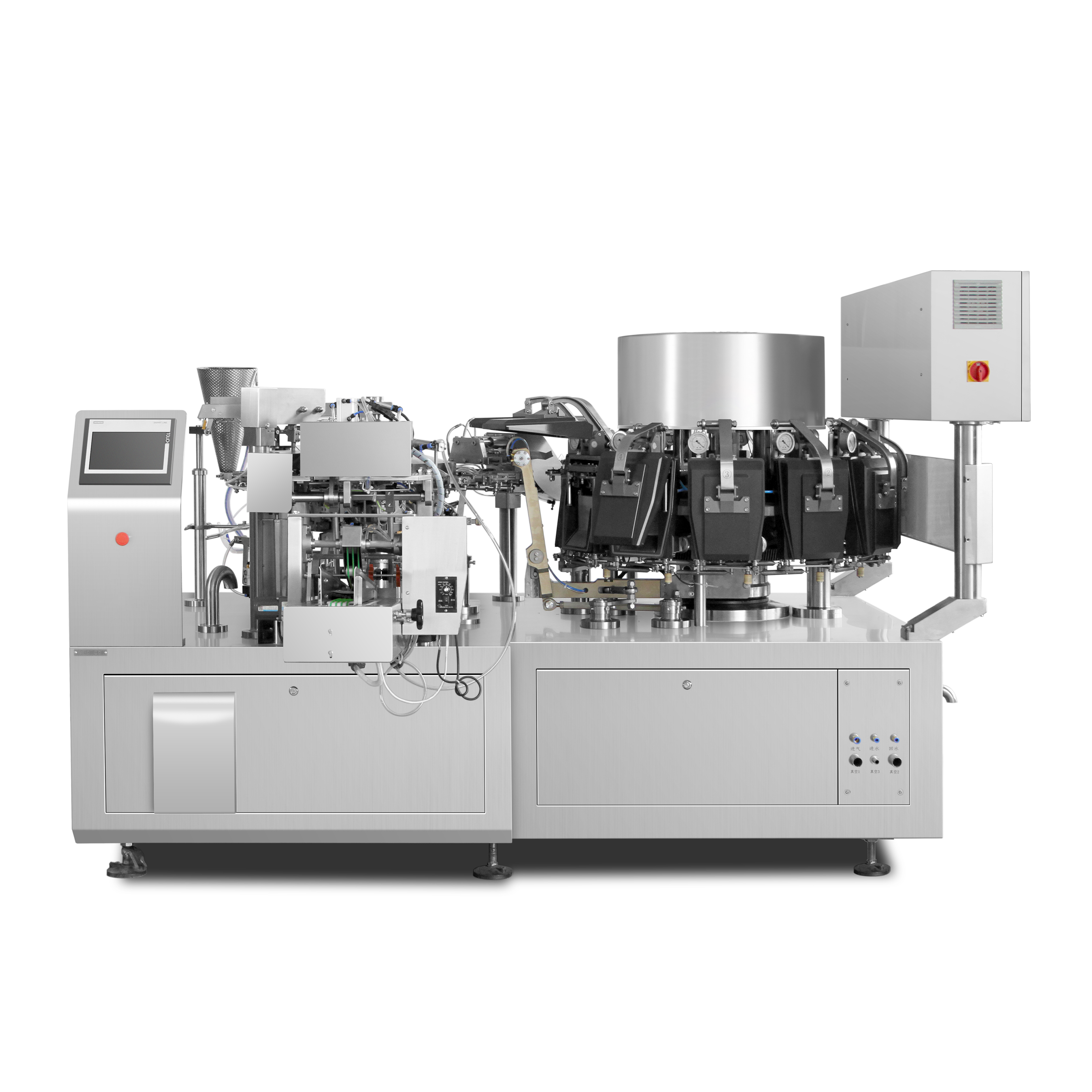
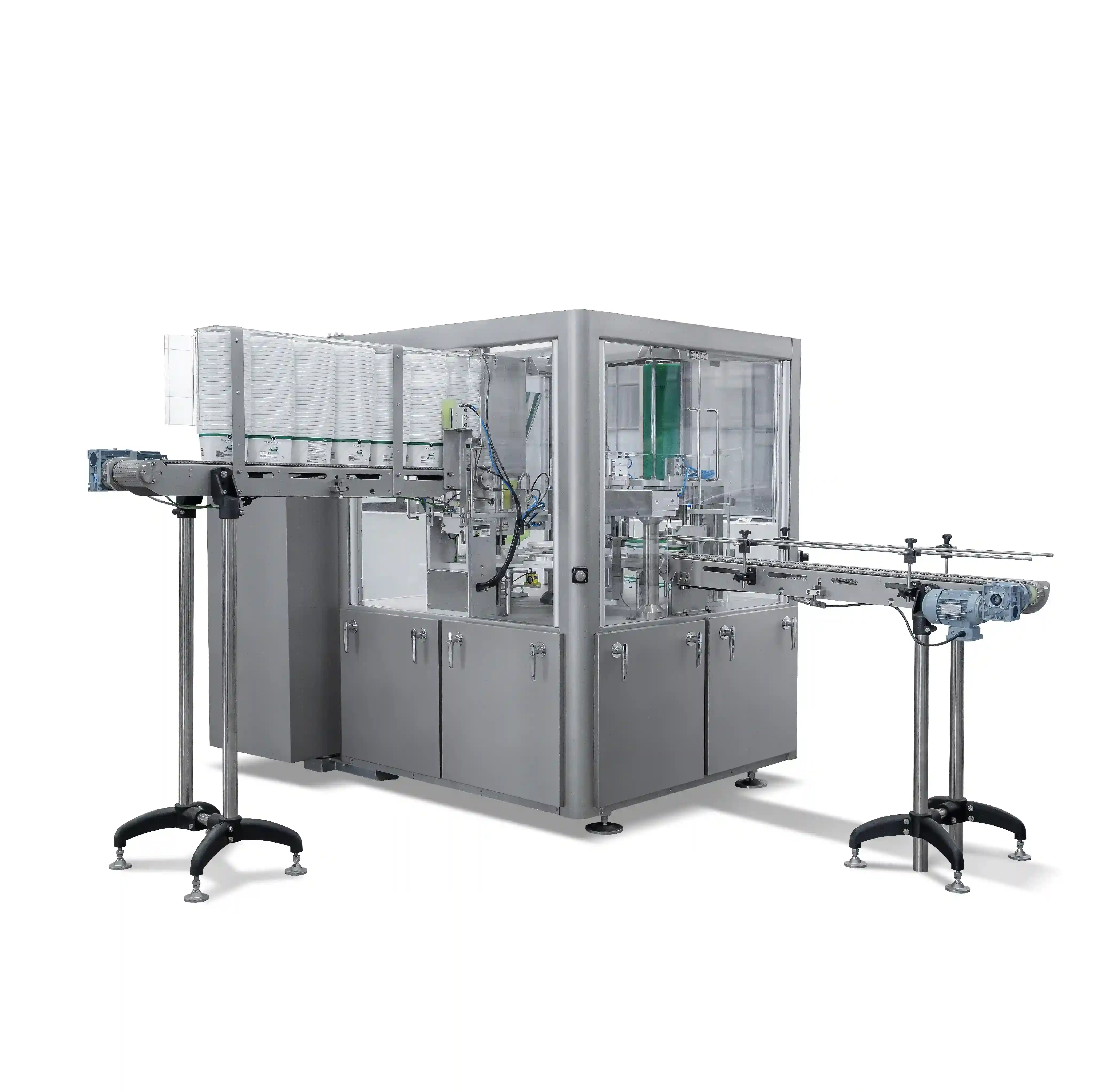
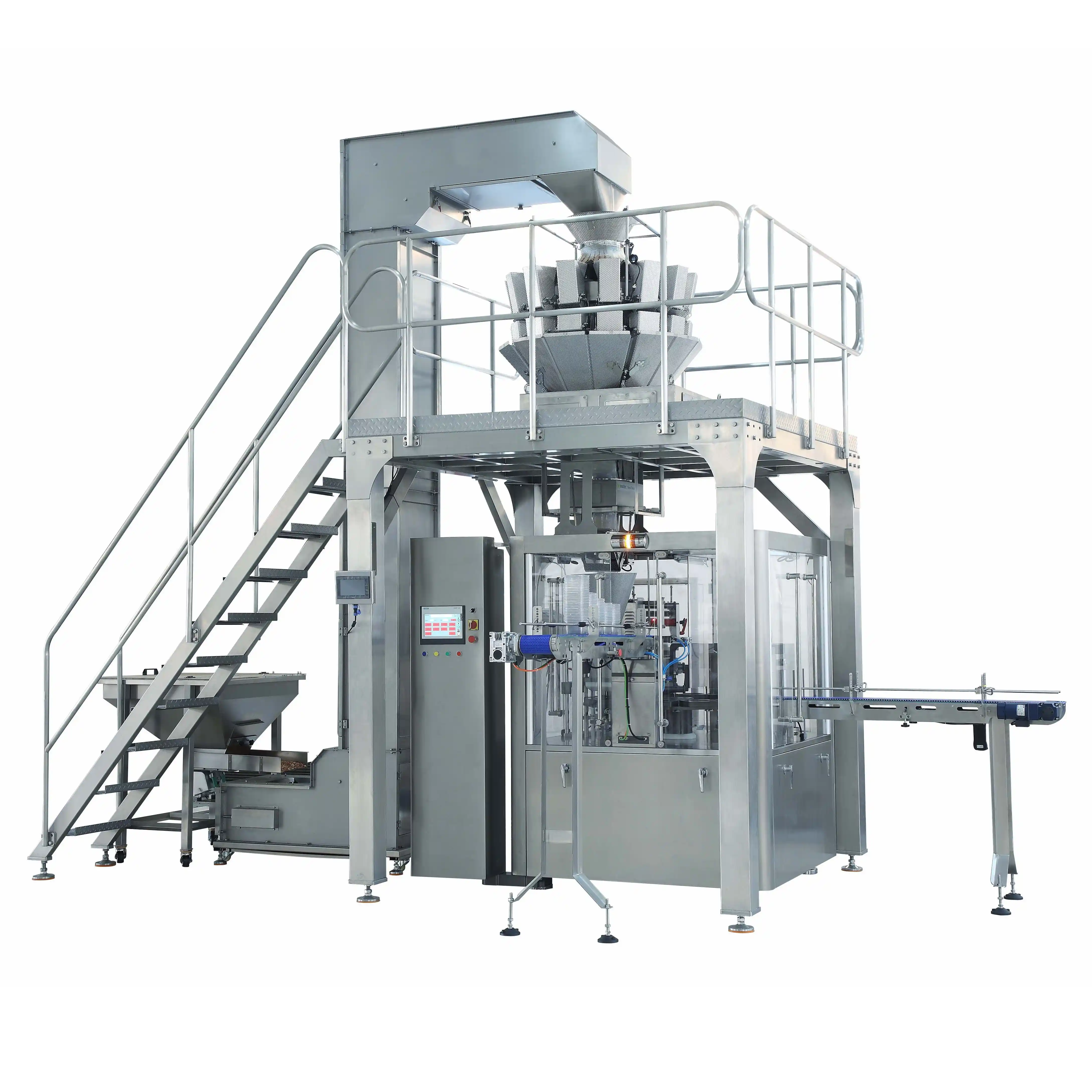
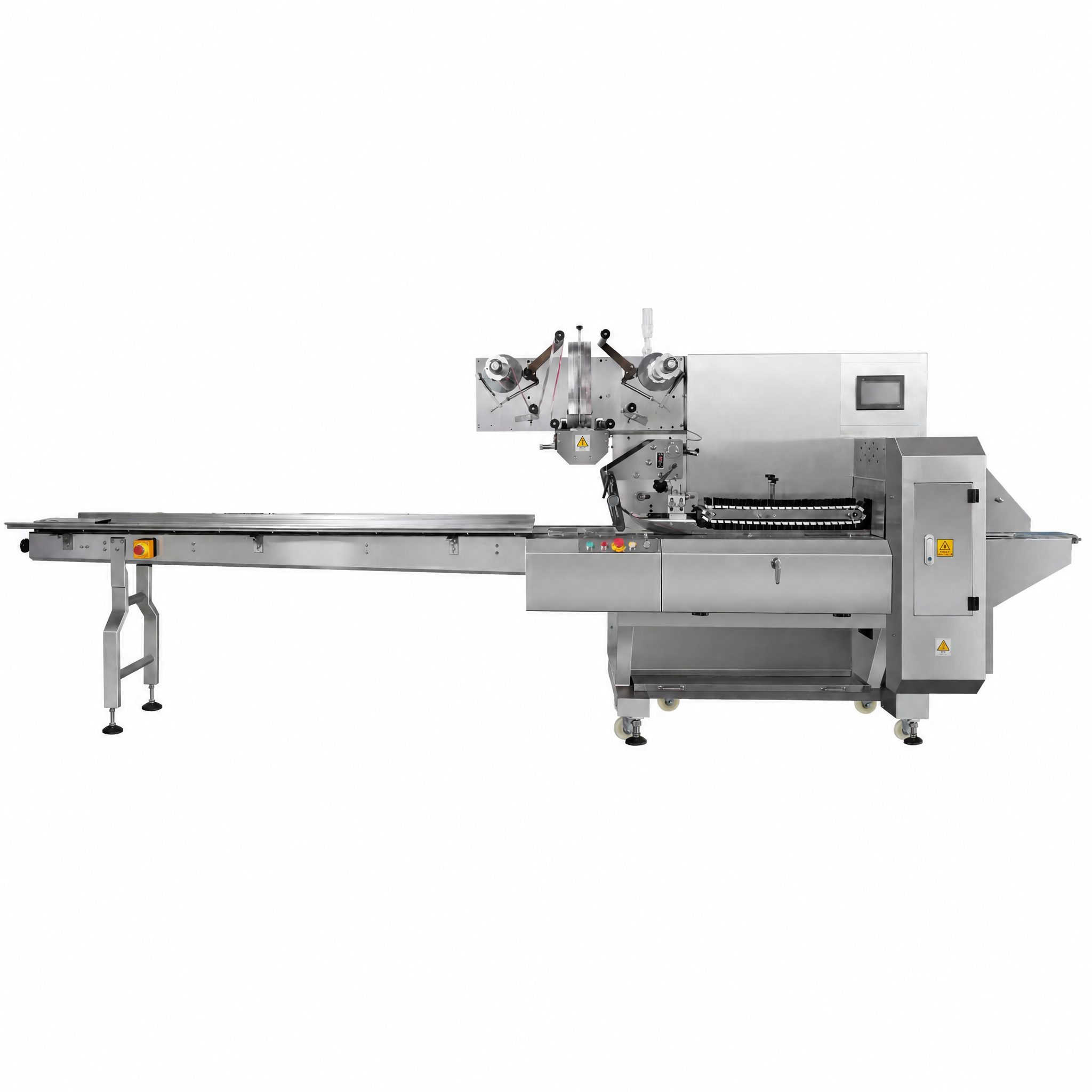
The Finished Products Conveyor is a compact downstream transfer unit for moving completed packs away from a packaging-machine discharge area. Rather than allowing sealed or filled packs to collect at the point where they leave the machine, the conveyor provides a defined path toward the next handling activity. The Finished Products Conveyor is suited to line layouts where the discharge point, receiving surface, and operator working area need to be considered together. It is a practical component for keeping the final part of a packaging line organized while maintaining a clear handoff between connected equipment.
In a packaging system, the Finished Products Conveyor is not simply an isolated transport surface. Its role is to receive finished packs after the upstream machine releases them and guide those packs toward collection, inspection, counting, or case-packing work. The listed design gives line planners a compact reference point when arranging outfeed equipment. For a useful configuration discussion, start with the finished pack: its dimensions, orientation after discharge, spacing between packs, and the next handling step all affect how the Finished Products Conveyor should be positioned.
Listed Specifications
| Item |
Listed specification |
| Lifting height |
600–800 mm |
| Lifting capacity |
1 m³/hour |
| Feeding speed |
30 m/minute |
| Dimensions |
2110 × 340 × 500 mm |
| Voltage |
220 V / 45 W |
These figures describe the supplied Finished Products Conveyor configuration and provide a starting point for layout planning. The 600–800 mm lifting-height range is relevant when matching the conveyor to an upstream discharge level or the height of a following work surface. The overall dimensions help define the footprint to allow for beside-the-line access. The listed 220 V / 45 W electrical entry identifies the stated utility requirement. The documented 30 m/minute feeding speed is useful for initial planning, although finished-pack flow also depends on how consistently packs arrive from the upstream machine.
Key Features for Downstream Pack Handling
-
Defined outfeed path: The Finished Products Conveyor directs completed packs away from the discharge area so the next process can be arranged with a clear transfer route.
-
Compact line reference: With listed dimensions of 2110 × 340 × 500 mm, the unit gives a practical footprint reference for downstream layout discussions.
-
Adjustable height range: The listed 600–800 mm lifting height can be considered when aligning the receiving point with adjacent equipment or a work area.
-
Documented movement speed: The stated 30 m/minute feeding speed provides a product-specific reference for a pack-flow discussion.
-
Simple interface role: The Finished Products Conveyor supports the transition from packaging-machine discharge to the next handling stage without treating finished-pack movement as an afterthought.
It is tempting to consider speed alone when choosing outfeed equipment. More precisely, the relevant question is whether pack orientation, discharge timing, and the following handling activity work together. A Finished Products Conveyor can be positioned as part of that interface, with the actual receiving arrangement based on the finished pack and the available line clearance.
Applications in Packaging Lines
Finished-pack collection and inspection
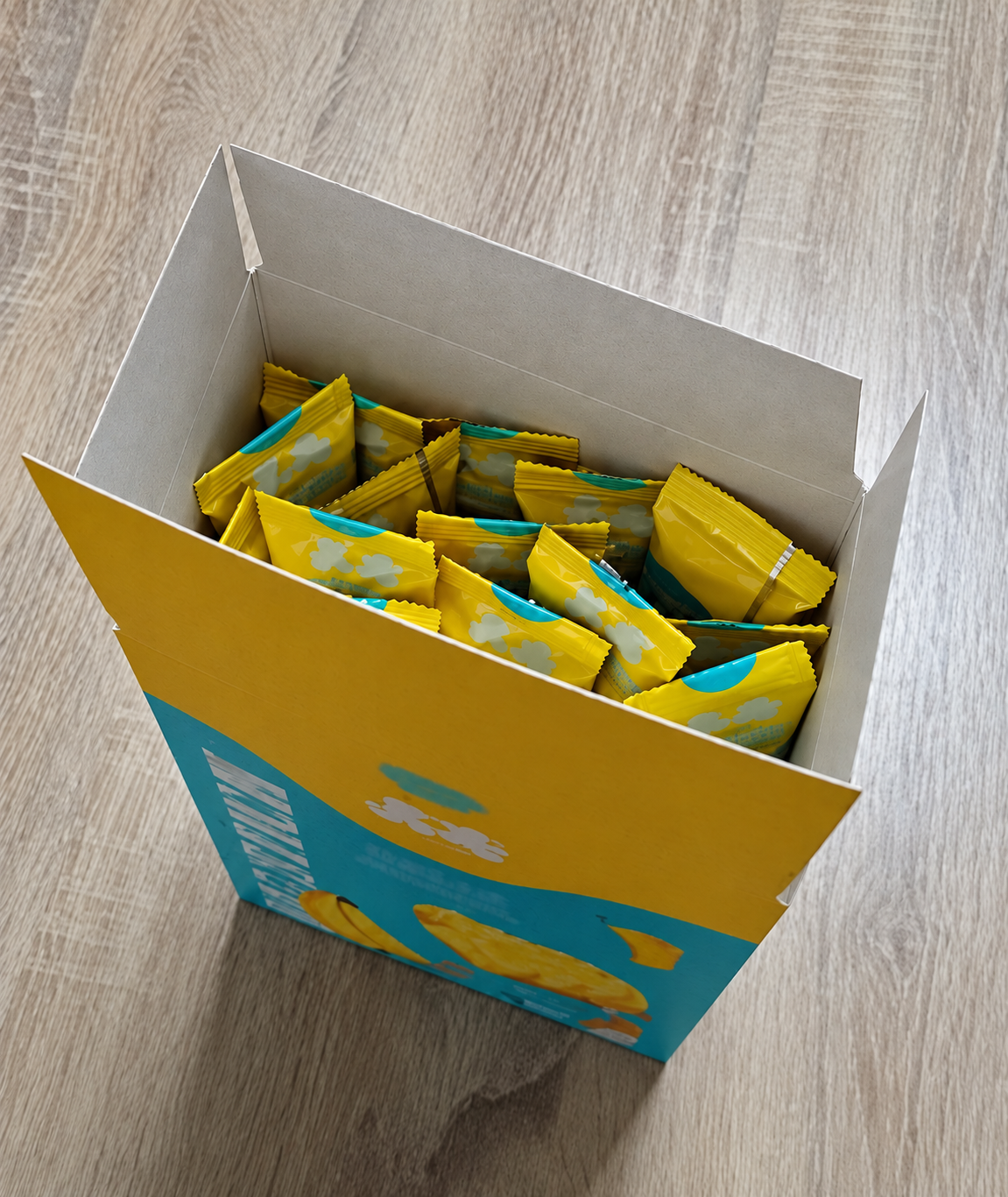
A Finished Products Conveyor can guide completed packs to a point where operators collect them, carry out a visual check, count output, or prepare packs for further handling. This application is especially relevant when the packaging-machine discharge area needs to remain clear during normal production. The placement should leave sufficient access around the conveyor for the intended work routine.
Downstream transfer after filling and sealing
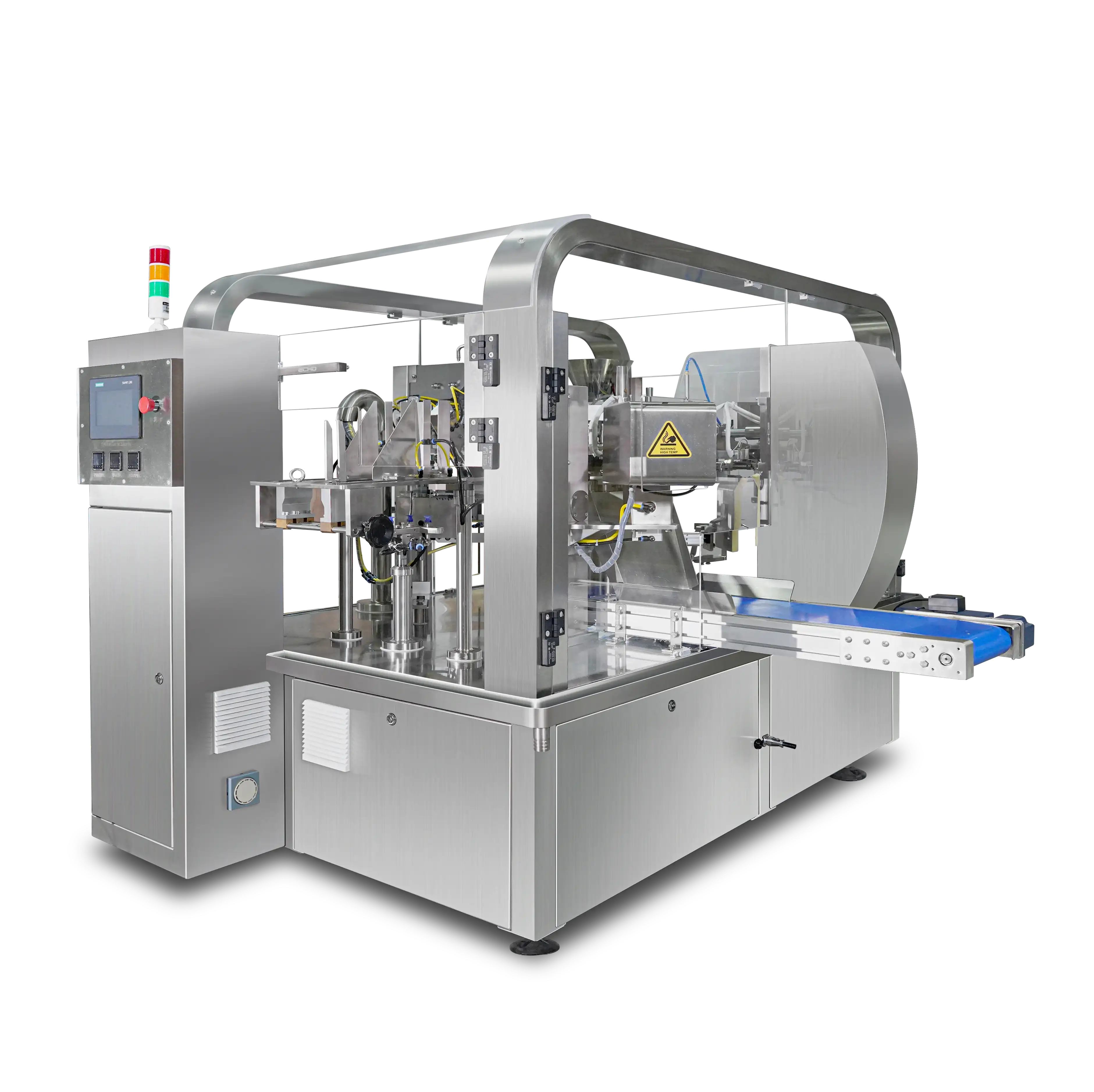
Where a tube filler and sealer machine produces finished packs, the Finished Products Conveyor can be reviewed as a downstream transfer interface. The appropriate arrangement depends on the tube or pack dimensions, how the pack exits the machine, and whether it remains stable on the receiving surface. The conveyor itself should be evaluated as one link in the discharge and downstream handling sequence rather than as a standalone item.
Line connection for product-specific pack formats
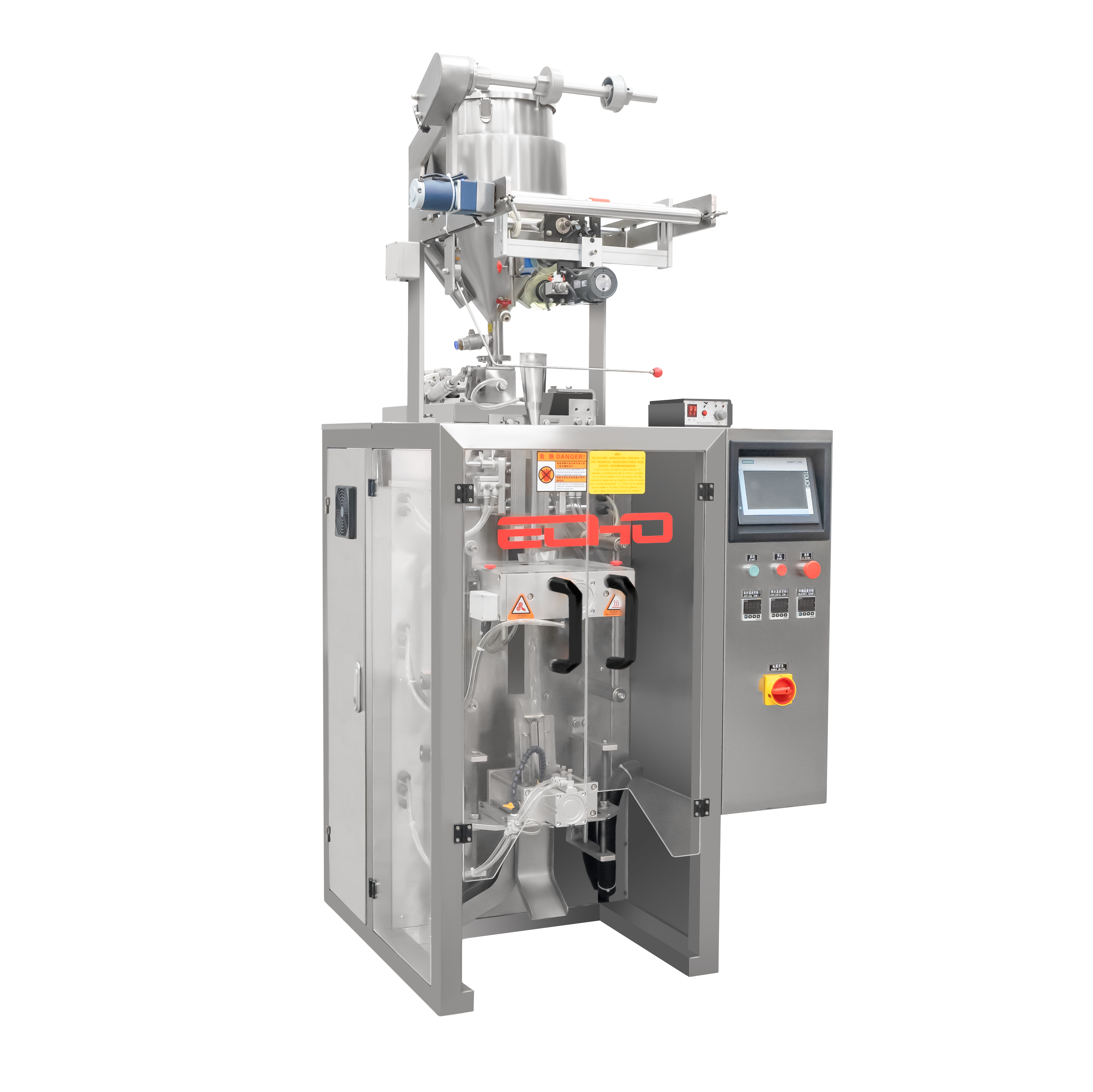
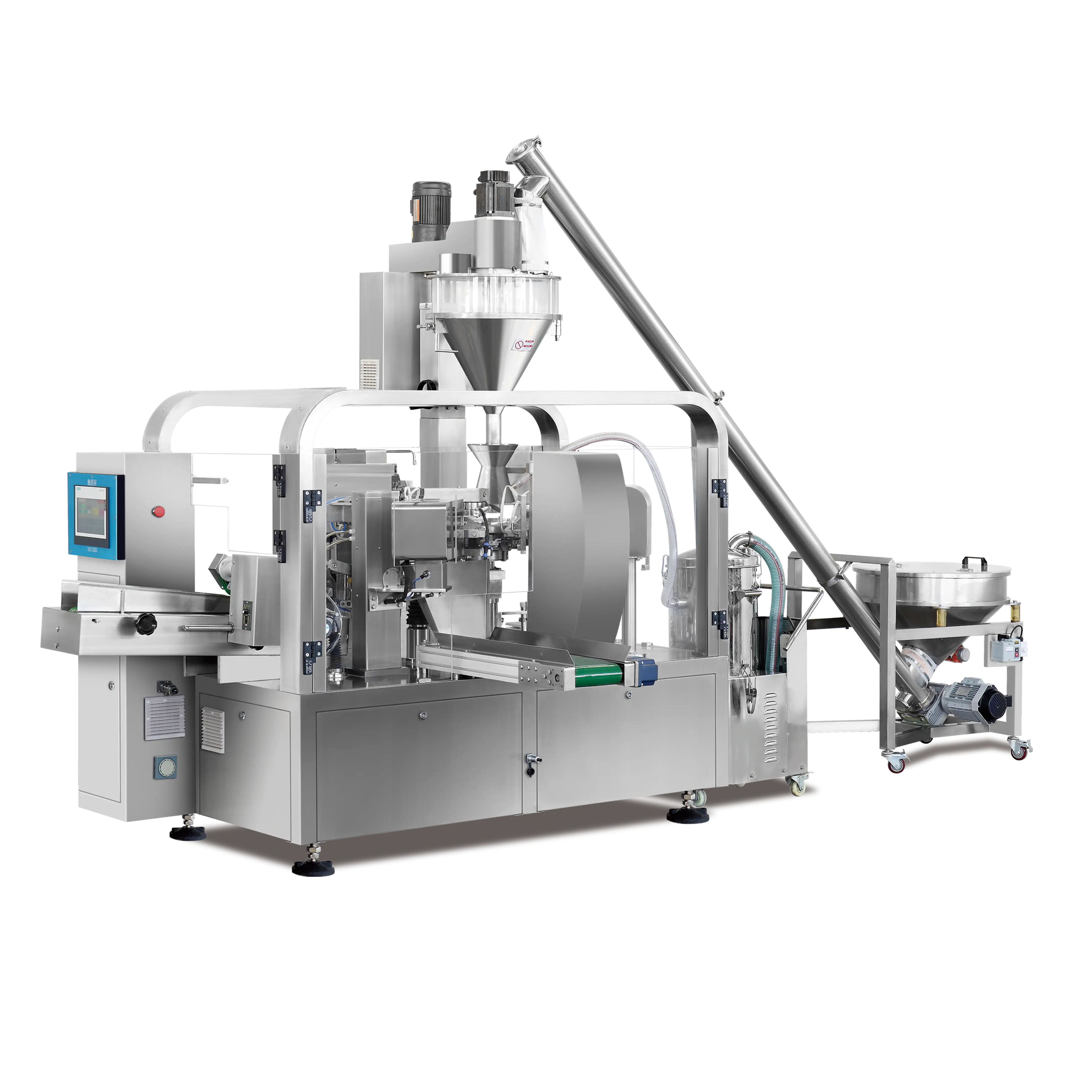
For a gel dispensing machine or a milk powder packing machine, the Finished Products Conveyor may be considered when finished packs need to move from the discharge point to the next workstation. The listed specifications do not establish suitability for every package shape or weight. A practical inquiry should include the finished-pack footprint, expected orientation, discharge height, and intended downstream operation so that the line interface can be discussed clearly.
How to Plan the Conveyor Position
Begin by tracing the path of a completed pack. First, identify where the upstream machine releases the pack. Next, check whether the receiving position and conveyor height can be coordinated with that discharge point. Then consider where the pack will go after the Finished Products Conveyor: an operator station, inspection area, counting point, or case-packing activity. This simple sequence keeps the focus on the actual material flow rather than on a general equipment label.
Pack behavior matters at every transfer. Flat packs, stand-up pouches, rigid containers, and packs that may shift after discharge can require different receiving arrangements. The Finished Products Conveyor provides the downstream transfer function, while the best position depends on the individual pack and line layout. When multiple pack sizes are produced on the same equipment, sharing their dimensions and expected orientation helps determine whether one arrangement can serve the intended production routine.
Practical Value in an Integrated Line
For a project discussion, provide the upstream machine type, finished-pack dimensions, discharge height, pack orientation, and the next process after outfeed. These details allow the Finished Products Conveyor to be considered in relation to the actual handoff required by the line. The product is supplied with the listed specifications above; pack-specific fit and final positioning should be discussed against the planned production arrangement.
Frequently Asked Questions
This supports clear final-stage line organization. Its dimensions support placement in compact packaging-line outfeed areas.
What information is useful for an inquiry?
Please share finished-pack dimensions, the expected pack orientation, upstream discharge height, available clearance, and the next handling step. This information helps place the Finished Products Conveyor within the intended packaging-line layout.

 EN