Linear Capping Machine for In-Line Bottle Closing
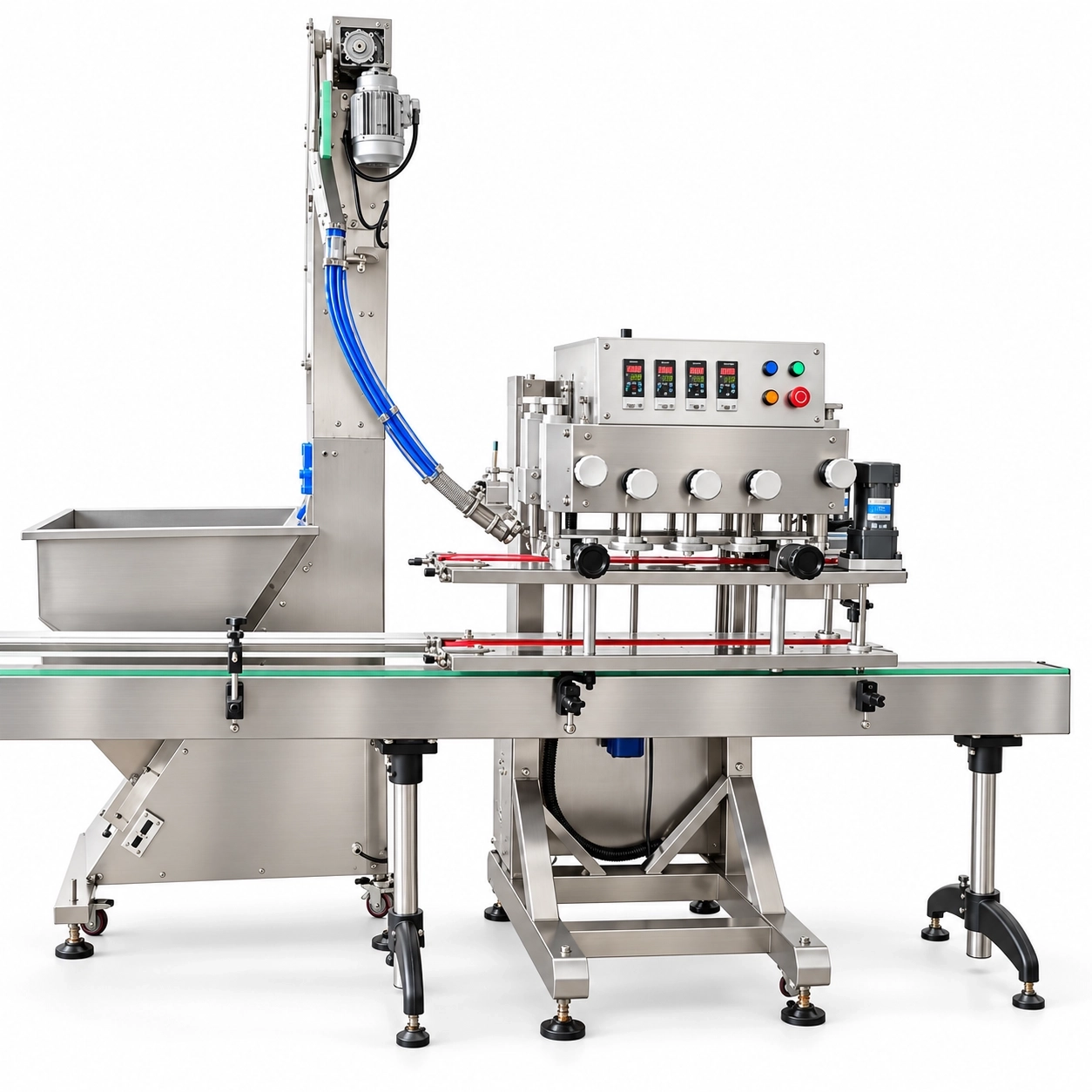
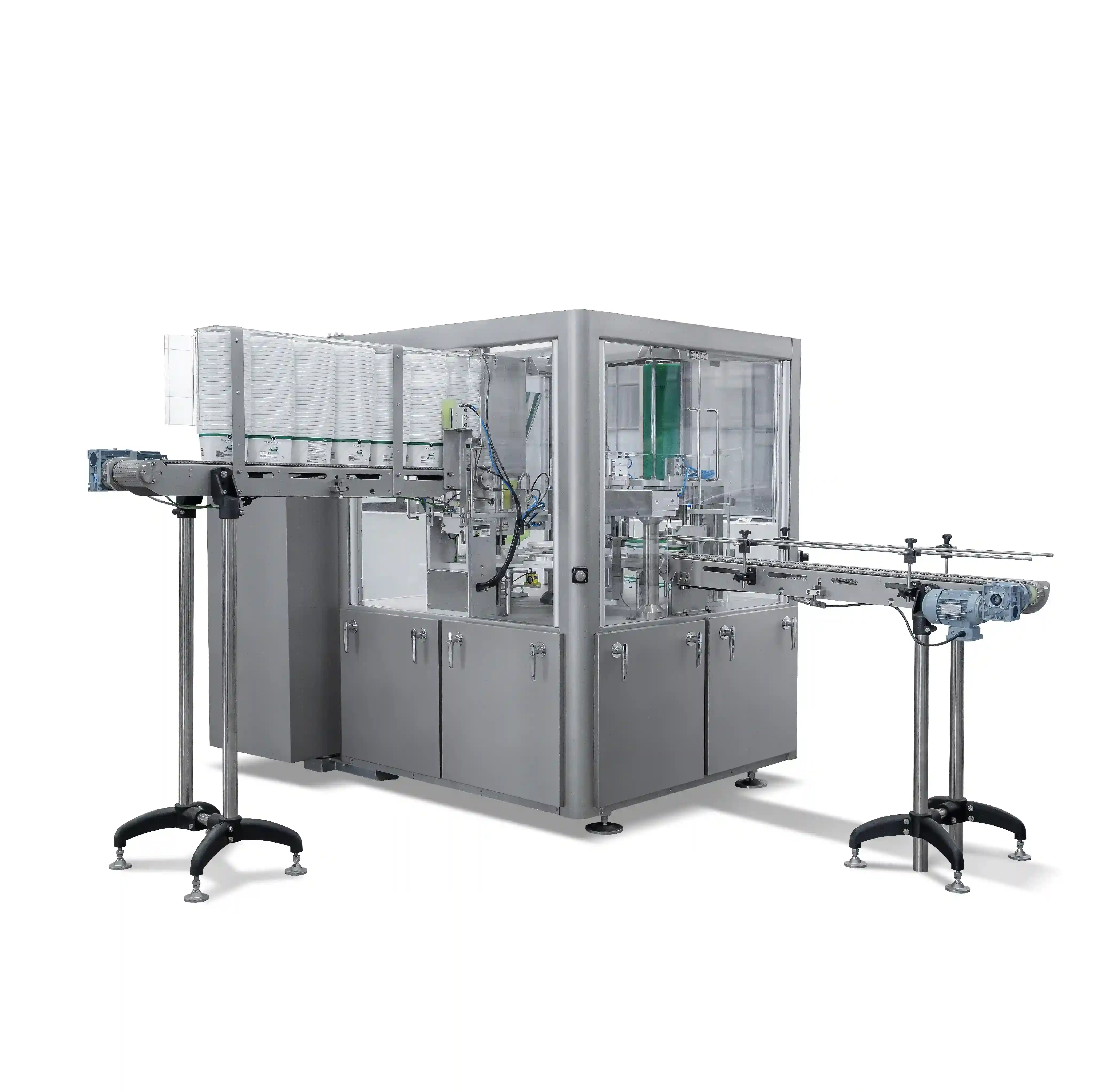
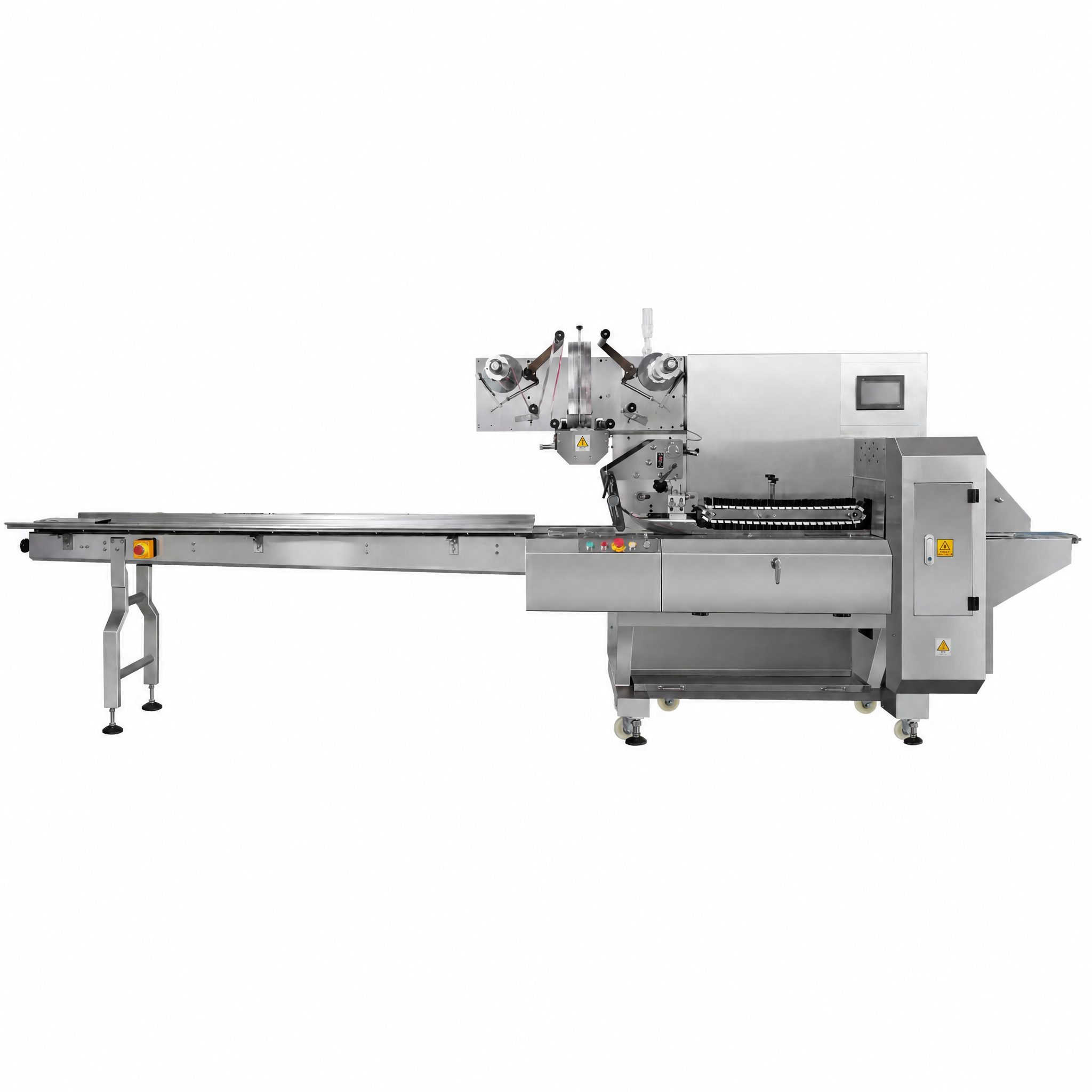
The Linear Capping Machine RJ-LC is designed for automated packaging lines that require a dedicated bottle-closing stage after filling. By moving containers through a linear conveyor path, the Linear Capping Machine supports a continuous transition from filling to closure and onward to labeling, coding, or handling equipment. Its role is straightforward: position the closing stage within the material flow so bottles can receive their caps as part of an organized line sequence.
The documented model is RJ-LC. Available product information states an applicable cap diameter range of 10–180 mm and a maximum stated production speed of up to 200 bottles per minute. These values provide a clear initial reference for discussing a Linear Capping Machine configuration. Actual operating results depend on the bottle, closure, line layout, and the way containers arrive and leave the closing area.
Verified Specifications
| Item |
Specification |
| Model |
RJ-LC |
| Applicable cap diameter |
10–180 mm |
| Maximum stated speed |
Up to 200 bottles/min |
The specification table identifies the confirmed information available for this Linear Capping Machine. The stated cap-diameter range helps frame the initial closure discussion, while the published maximum speed provides a useful reference for matching the machine to an existing or planned production line. A final arrangement should be discussed against representative bottles and caps because shape, neck finish, cap design, and handling conditions all affect how a package moves through the capping process.
Key Features and Practical Value
Linear in-line bottle flow
The conveyor-based arrangement allows the Linear Capping Machine to work within a linear packaging route. This layout supports a direct practical relationship with upstream filling and downstream labeling or handling equipment. It can help planners discuss where the closing stage sits in the complete bottle path rather than treating it as an isolated operation.
Cap range for initial equipment matching
The RJ-LC is documented for applicable cap diameters from 10–180 mm. This range is a starting point for identifying whether a Linear Capping Machine may be relevant to a particular closure format. Cap diameter alone does not define the complete application, so actual cap geometry and the container neck should be reviewed together before a line arrangement is confirmed.
Published throughput reference
The product information lists a maximum stated speed of up to 200 bottles per minute. A higher stated speed does not by itself demonstrate stable output in every application. Bottle supply, cap presentation, conveyor transfer, and the package itself should remain suitable through the closing stage. A Linear Capping Machine can therefore be considered in relation to the full pack flow, not only its standalone maximum figure.
Package-specific configuration discussion
Line-interface focus
Treat the Linear Capping Machine as one link in filling, closing, and downstream handling rather than as an isolated purchase. The interfaces before and after the machine deserve attention: bottles need to enter the closing area in a controlled flow, and finished containers need to transfer smoothly to the next operation. Installation footprint and operator access can also be considered during layout planning.
Where the Machine Fits
The Linear Capping Machine is intended for automated container packaging lines that need bottle closure after filling. It can be considered where a packaging sequence includes filling, capping, labeling, coding, or subsequent product handling. The available information supports a general in-line packaging application; the suitability of any particular bottle and closure should be discussed with the actual samples.
For lines that include form fill packaging activities elsewhere in the operation, bottle capping remains a distinct container-handling stage. The Linear Capping Machine can be positioned within a wider packaging layout when the bottle route, transfer points, and downstream requirements are clear. This is an integration discussion, not a claim that the RJ-LC performs unrelated filling or forming functions.
Food-packaging operations may also use equipment such as heat sealers for food packaging for other pack formats. Where bottles are part of a mixed packaging environment, the Linear Capping Machine provides a dedicated in-line closing function for the bottle route. The bottle and cap requirements remain the primary basis for selecting the closing arrangement.
How to Plan an Inquiry
To discuss a Linear Capping Machine, provide the bottle shape, bottle height, neck finish, cap dimensions, and an explanation of how caps will reach the closing stage. Representative bottles and closures are especially useful because they show the real relationship between the package and the equipment. If the line will connect to a filler, labeler, coder, or handling unit, include the expected sequence so the transfer interfaces can be considered.
The RJ-LC product information provides the verified model, cap-diameter reference, and published maximum speed. Project-specific requirements such as the final line arrangement, bottle handling details, and operating conditions should be confirmed for the intended application. This keeps the Linear Capping Machine discussion centered on the package and the production flow.
Frequently Asked Questions
What cap diameter range is stated for the RJ-LC?
The available product information identifies an applicable cap diameter range of 10–180 mm for this Linear Capping Machine. Actual cap geometry and the bottle neck should be reviewed together for the intended application.
What is the stated maximum production speed?
The documented maximum stated speed is up to 200 bottles per minute. Practical throughput depends on the bottle, cap, cap supply, conveyor flow, and the surrounding line interfaces.
What samples should be prepared for a machine discussion?
Prepare the actual bottle and closure, along with information about bottle shape, height, neck finish, cap dimensions, and the upstream and downstream equipment sequence. These details help place the Linear Capping Machine in a workable in-line packaging flow.
Can the machine be discussed with other packaging equipment?
Yes. The Linear Capping Machine can be considered with upstream filling equipment and downstream labeling, coding, or product-handling stages. The relevant discussion is how bottles transfer between those stages and how the final layout supports access and material flow.

 EN