 EN
How to Reduce Film Waste with a Premade Pouch Packaging Machine?
2026/09/20
Premade Pouch Machines: Reduce Film Waste, Cut TCO & Achieve Faster ROI

2026/10/02
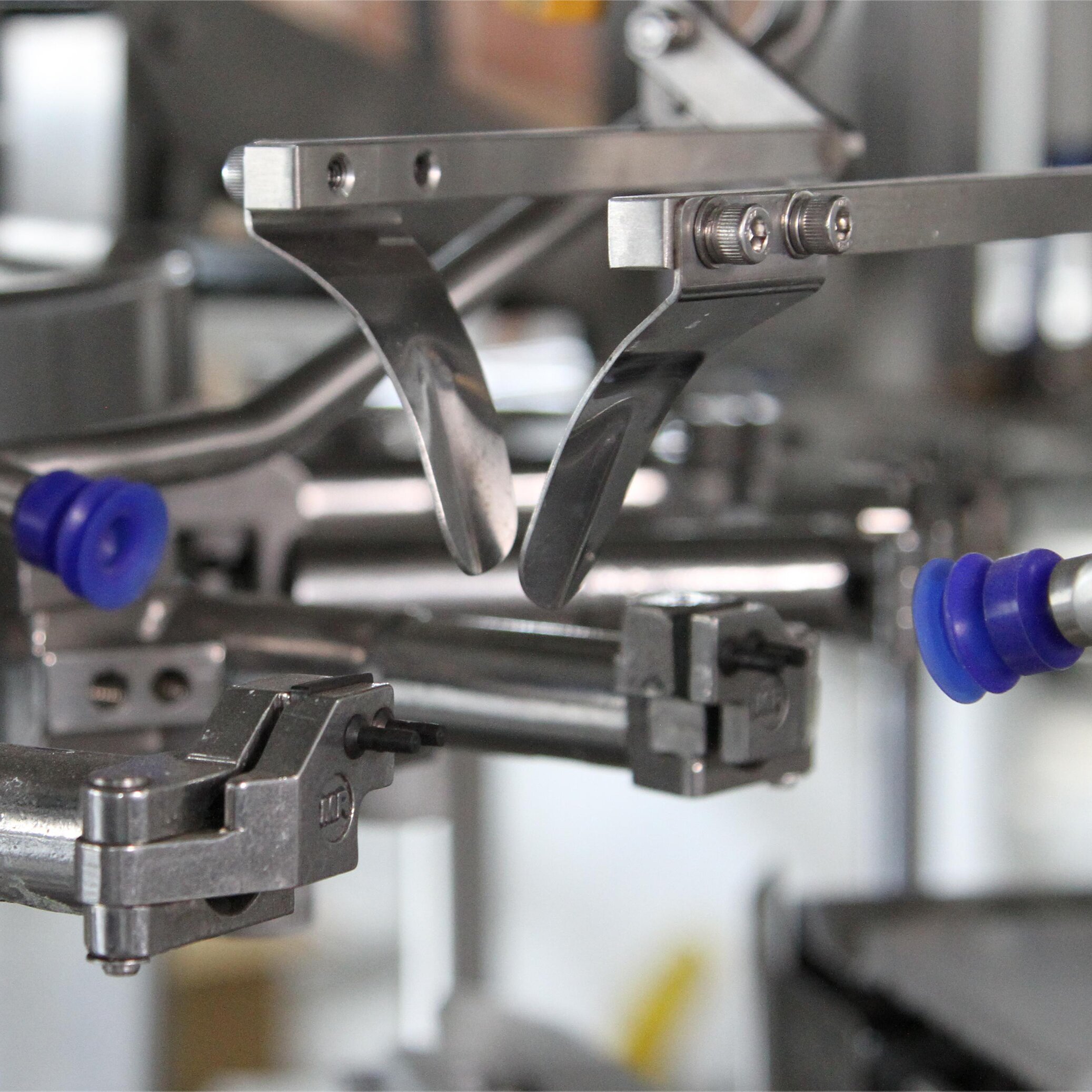
Seafood processing represents one of the most demanding environments in food manufacturing, where product quality, safety, and shelf life directly impact profitability and consumer satisfaction. The rotary vacuum packaging machine has emerged as an indispensable tool in modern seafood facilities, addressing critical challenges that traditional packaging methods cannot solve. Understanding why seafood operations invest in rotary vacuum packaging machine technology reveals fundamental truths about preservation, efficiency, and competitive advantage in this specialized industry.
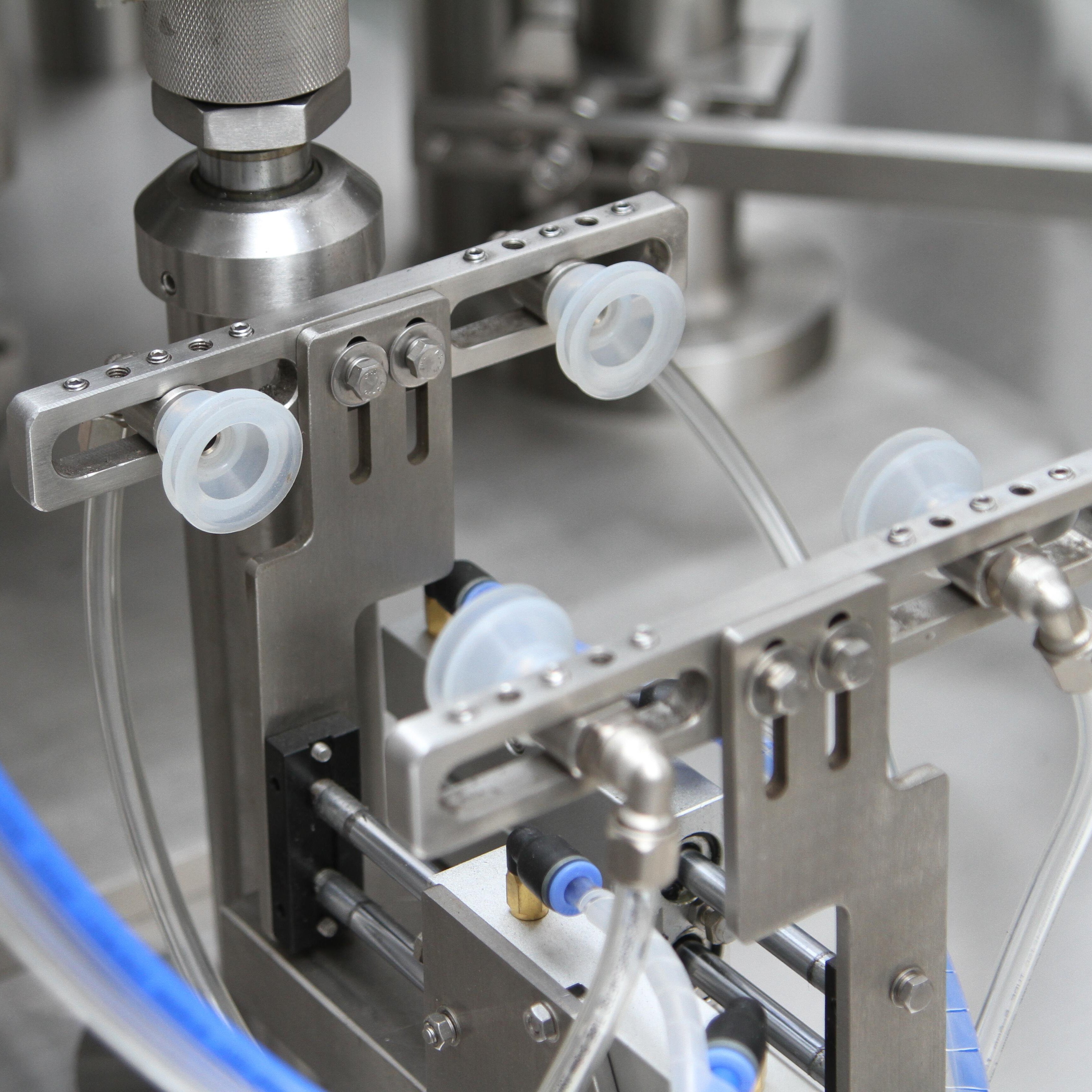
Seafood remains one of the most perishable food categories, with rapid degradation driven by microbial growth, enzymatic breakdown, and oxidation. A rotary vacuum packaging machine addresses these threats by removing oxygen, slowing bacterial multiplication, and maintaining product integrity throughout distribution and storage. This technology transforms how seafood processors compete globally and serve diverse markets from retail to foodservice and food manufacturing.
The fundamental reason seafood processing facilities depend on a rotary vacuum packaging machine is oxygen elimination. Oxygen accelerates spoilage through oxidation, which degrades fats, discolors flesh, and promotes rancidity. When a rotary vacuum packaging machine removes air from the package, it creates an anaerobic environment that dramatically slows these degradation pathways. For seafood species like salmon, tuna, and shrimp, this oxygen-free state can double or triple shelf life compared to conventional air-filled packaging.
Aerobic bacteria thrive in oxygen-rich environments and multiply rapidly in seafood's protein-rich matrix. By deploying a rotary vacuum packaging machine, processors eliminate the primary factor enabling microbial growth, reducing spoilage organisms and pathogenic contamination risks. This benefit extends far beyond shelf life—it directly enhances food safety, reduces waste, and improves traceability throughout the supply chain.
Seafood products typically travel through temperature-variable supply chains, from cold storage through retail shelves where lighting and ambient conditions fluctuate. A rotary vacuum packaging machine seals products in a protective barrier that maintains internal conditions far more consistently than loose or loosely wrapped alternatives. This stability is crucial for maintaining quality across long-distance logistics, particularly for international shipments where transit times extend days or weeks.
The vacuum seal created by a rotary vacuum packaging machine also minimizes moisture loss and surface oxidation that occurs through slow oxygen permeation in conventional films. High-quality vacuum seals protect delicate tissue structure, color integrity, and nutritional attributes during the entire shelf-life window, ensuring consumers receive products matching the quality expectations set at purchase point.
Modern food regulations across North America, Europe, Asia, and emerging markets increasingly mandate specific packaging standards for seafood safety and traceability. The rotary vacuum packaging machine supports compliance with Hazard Analysis and Critical Control Points (HACCP) protocols, Food Safety Modernization Act (FSMA) requirements, and regional standards like those enforced by the European Food Safety Authority. These regulatory bodies recognize vacuum packaging as a validated preservation method that reduces pathogenic risks and supports documented safety systems.
Using a rotary vacuum packaging machine also generates consistent, documented evidence of packaging conditions—vacuum level, sealing temperature, dwell time—that regulatory inspectors and food safety auditors expect to review. This documentation supports certification processes, audit readiness, and liability protection. For export-oriented seafood processors, meeting these packaging standards through a rotary vacuum packaging machine is often a non-negotiable requirement for market access.
Listeria monocytogenes and other cold-resistant pathogens pose particular risks in seafood because they can proliferate even during refrigerated storage. A rotary vacuum packaging machine reduces dissolved oxygen to levels where these organisms multiply significantly more slowly, extending the safe shelf life window. Combined with proper refrigeration, a rotary vacuum packaging machine transforms seafood safety by reducing bacterial load growth rates below critical thresholds that trigger spoilage or pathogenic hazards.
Beyond pathogenic concerns, a rotary vacuum packaging machine protects against physical contamination and cross-contamination during handling, storage, and transportation. The sealed package creates a barrier against external contaminants, allergen transfer, and environmental microbes encountered throughout the distribution chain, supporting comprehensive food safety management systems.
Modern rotary vacuum packaging machines operate at speeds ranging from dozens to hundreds of packages per minute, depending on product size and package format. This throughput capability allows seafood processors to package large volumes with minimal labor while maintaining consistent seal quality and vacuum levels. A rotary vacuum packaging machine dramatically reduces per-unit packaging labor costs, which represents a major expense in manual or semi-automated facilities.
The automated consistency of a rotary vacuum packaging machine eliminates human variability that causes inconsistent seal quality, incomplete vacuum, or packaging defects. Higher consistency reduces rework, waste, and customer returns, directly improving profitability. Facilities that upgrade from manual sealing to a rotary vacuum packaging machine typically report waste reduction of 30 percent or more, offsetting equipment investment within months.
Seafood spoilage represents a major cost driver in processing operations, with waste rates sometimes exceeding 10 percent in poorly managed facilities. A rotary vacuum packaging machine slashes spoilage losses by extending shelf life, reducing microbial growth, and maintaining product integrity. Extended shelf life creates additional sales windows, enabling processors to serve broader geographic markets and reduce forced markdowns from age-related quality loss.
When a rotary vacuum packaging machine extends shelf life from 7 days to 14 or 21 days, processors gain flexibility in distribution timing, can serve more distant markets profitably, and reduce inventory turnover pressure. This economic advantage compounds across annual operations, making the rotary vacuum packaging machine investment highly justified on financial analysis alone, independent of safety and regulatory benefits.
Rotary vacuum packaging machines operate on continuous conveyor systems where packages move through vacuum chambers, while chamber sealers process one or small batches of packages at a time. A rotary vacuum packaging machine achieves dramatically higher throughput, consistent vacuum levels, and integration with high-speed production lines. Chamber sealers suit smaller operations, specialty applications, or lower-volume premium products, whereas a rotary vacuum packaging machine is optimized for high-volume seafood processing environments targeting mass-market retail and foodservice channels.
A rotary vacuum packaging machine effectively packages fish fillets, whole fish, shrimp, crab, scallops, mollusks, and processed seafood products. The technology works well with both fresh and cooked seafood. For delicate products that crush under vacuum, a rotary vacuum packaging machine equipped with adjustable vacuum profiles and slow-speed sealing cycles can protect product integrity while still achieving preservation benefits. Processors typically adjust sealing parameters based on product type and desired results.
Most seafood processors report return on investment from a rotary vacuum packaging machine within 18 to 36 months, driven by labor savings, waste reduction, extended shelf life, and access to premium pricing for vacuum-packaged products. Larger facilities with high-volume operations achieve faster payback. Additional benefits including improved food safety compliance, reduced liability exposure, and access to new distribution channels create value beyond direct cost recovery, making the rotary vacuum packaging machine a strategic investment in operational excellence.

2026/09/20
Premade Pouch Machines: Reduce Film Waste, Cut TCO & Achieve Faster ROI

2026/09/20
Cut Premade Pouch Machine Changeover Time by 40% with Proven Best Practices

2026/09/20
Premade Pouch Machines: Boost Throughput, Cut Waste & Improve ROI

2026/09/20
Rotary vs Inline Premade Pouch Machines: Speed, ROI & Scalability Compared

2026/09/20
Premade Pouch Machine: Boost Throughput, Cut Labor Costs & Improve Seal Integrity

2026/09/21
Premade Pouch Machine: Pouch Types, Materials & Filling Guide

