 EN
How to Reduce Film Waste with a Premade Pouch Packaging Machine?
2026/09/20
Premade Pouch Machines: Reduce Film Waste, Cut TCO & Achieve Faster ROI

2026/10/04
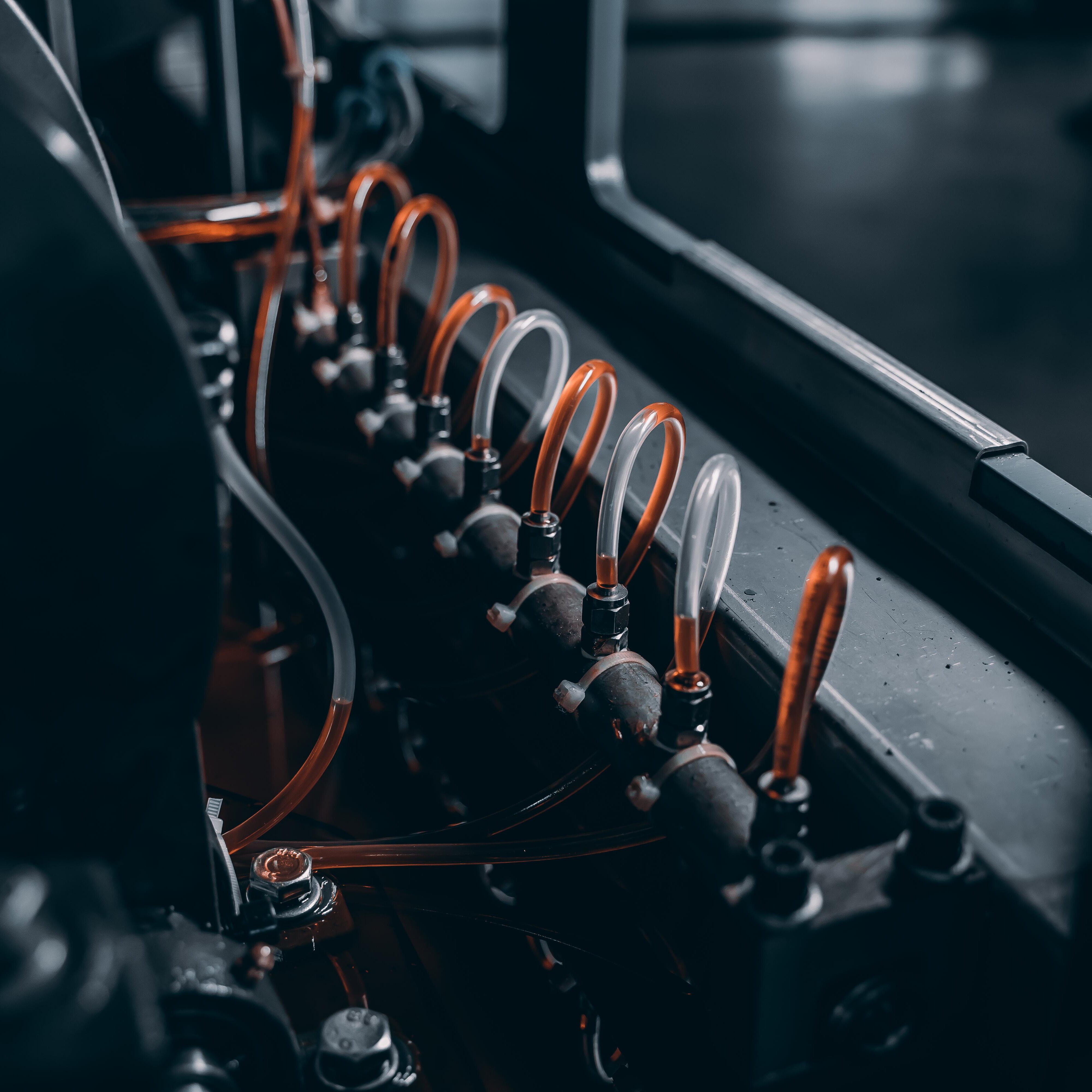
Operating a rotary vacuum packaging machine requires comprehensive training that goes beyond basic machine familiarity. Proper operator training ensures production efficiency, product quality, and workplace safety. Organizations investing in thorough rotary vacuum packaging machine training reduce downtime, minimize packaging defects, and create a more competent workforce capable of handling complex production demands.
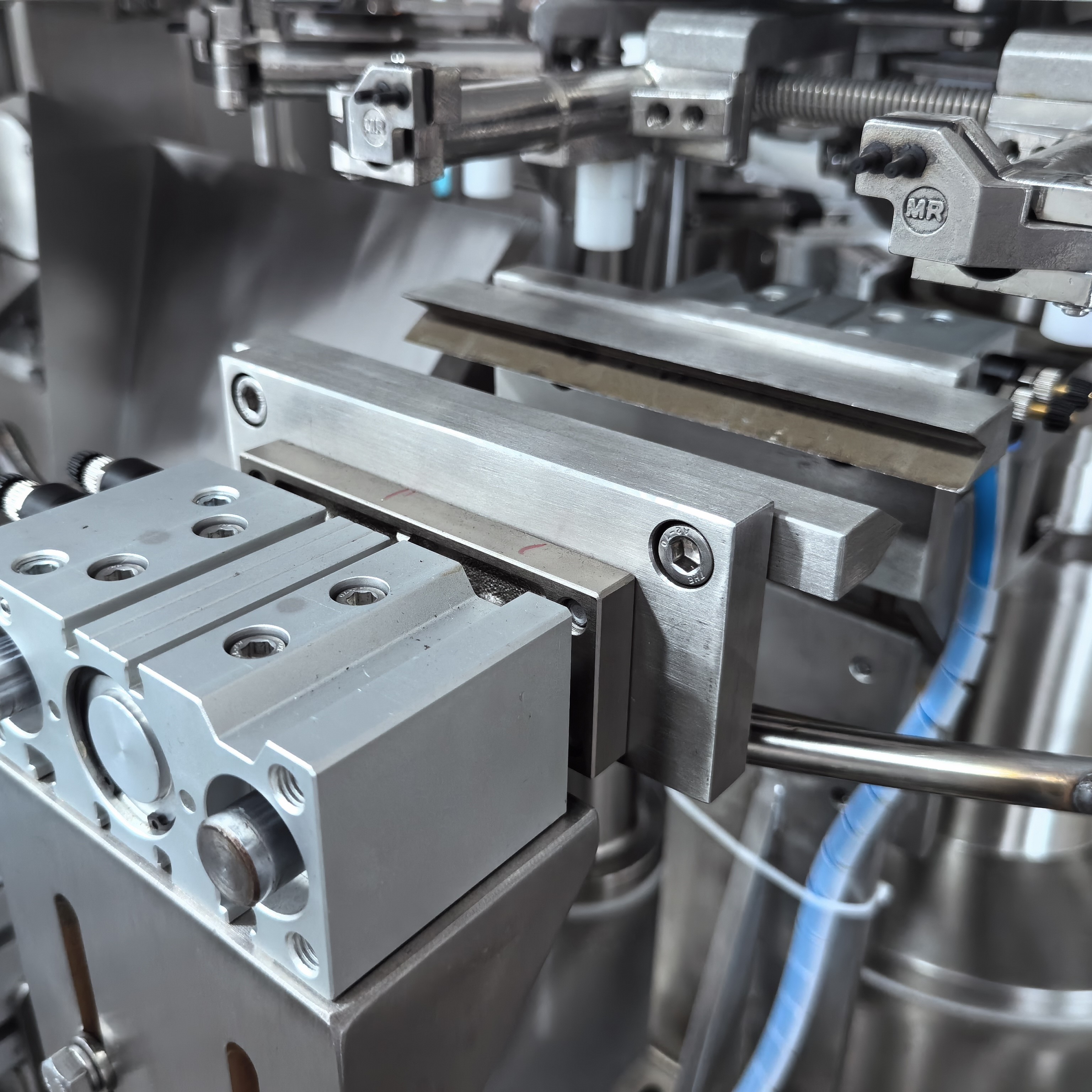
A rotary vacuum packaging machine operator must understand equipment mechanics, material handling procedures, troubleshooting protocols, and safety regulations. The training process typically spans multiple weeks and combines classroom instruction with hands-on practice. Facilities that maintain structured training programs for rotary vacuum packaging machine operators experience higher product consistency, fewer customer complaints, and improved equipment longevity.
Rotary vacuum packaging machine operators must be trained on electrical safety, mechanical hazard zones, and emergency shutdown procedures. Understanding the specific danger points of a rotary vacuum packaging machine helps operators avoid pinch points, moving components, and heat zones. Every operator should complete hands-on drills that simulate emergency scenarios, including vacuum system failures and seal malfunctions, ensuring they can respond quickly and safely.
Personal protective equipment requirements vary depending on the rotary vacuum packaging machine model and production environment. Operators need training on proper PPE selection, including protective eyewear, gloves, and heat-resistant aprons. Facilities must document and certify that each rotary vacuum packaging machine operator completes safety training before operating equipment independently.
Rotary vacuum packaging machine operations may involve exposure to gases used in modified atmosphere packaging or fumes from sealing processes. Operators require training on proper ventilation requirements, gas displacement hazards, and chemical handling procedures specific to their rotary vacuum packaging machine model. Understanding how vacuum systems pull air and gases from chambers helps operators recognize potential atmospheric hazards before they become dangerous.
Operators using a rotary vacuum packaging machine must learn to configure settings for different product types and bag specifications. This includes understanding vacuum levels, dwell times, seal temperatures, and gas injection parameters. Each rotary vacuum packaging machine has unique control panels and sensor systems that require dedicated training to optimize performance and ensure consistent product quality.
Product compatibility training is critical for rotary vacuum packaging machine operators. Different materials require different vacuum intensities and seal techniques to prevent damage. Training should cover how to select appropriate settings for various products, verify bag specifications before operation, and adjust parameters when processing new items on a rotary vacuum packaging machine.
Rotary vacuum packaging machine operators must develop skills in monitoring production cycles, recognizing seal quality visually, and identifying when adjustments are necessary. Training covers how to evaluate seal integrity, detect incomplete vacuum chambers, and spot potential equipment degradation before failures occur. Operators should understand the relationship between cycle parameters and final product quality when working with a rotary vacuum packaging machine.
Statistical process control principles help rotary vacuum packaging machine operators maintain consistency throughout production runs. Training should include sampling techniques, documentation procedures, and decision criteria for when to halt production and investigate equipment performance. Competent operators of a rotary vacuum packaging machine can predict maintenance needs and flag quality issues before they affect large batch quantities.
Rotary vacuum packaging machine operators play a crucial role in preventive maintenance by performing daily inspections and routine cleaning procedures. Training must cover how to safely access and clean vacuum chambers, replace sealing elements, and check for wear on moving components. Understanding the maintenance schedule for your rotary vacuum packaging machine extends equipment lifespan and reduces unexpected breakdowns during critical production periods.
Lubrication points, filter replacement intervals, and sensor calibration procedures must be clearly documented and communicated during rotary vacuum packaging machine operator training. Operators should know when to alert maintenance staff about wear patterns or efficiency changes. Regular maintenance training prevents small issues from escalating into costly equipment failures that disrupt production timelines.
When a rotary vacuum packaging machine malfunctions, trained operators can often resolve issues quickly without calling technicians. Training should cover common error codes, vacuum pump performance symptoms, and seal quality problems. Operators who understand the diagnostic capabilities of their rotary vacuum packaging machine can reduce downtime by gathering accurate information for maintenance teams.
Troubleshooting training for a rotary vacuum packaging machine includes recognizing gas leaks, identifying seal failures, and understanding vacuum chamber pressure fluctuations. Operators should practice methodical problem-solving approaches, including reviewing recent parameter changes, inspecting mechanical components visually, and testing subsystems individually. Knowledge of how each component contributes to rotary vacuum packaging machine performance enables operators to suggest targeted solutions rather than guessing at repairs.
Comprehensive training for a rotary vacuum packaging machine operator usually requires two to four weeks, depending on prior equipment experience and facility complexity. Initial classroom instruction covers safety, theory, and procedures, while hands-on practice with the actual rotary vacuum packaging machine allows operators to develop practical proficiency. Facilities often schedule refresher training annually and additional sessions when introducing new products or equipment models.
Most facilities require rotary vacuum packaging machine operators to complete food safety certifications, OSHA safety training, and equipment-specific manufacturer certifications. Some industries mandate third-party validation of operator competency through formal testing. Your facility should define which certifications apply based on regulatory requirements, product types, and quality standards you maintain for rotary vacuum packaging machine operations.
Experienced packaging professionals can often learn rotary vacuum packaging machine operations faster than newcomers because they understand general packaging principles and safety culture. However, each rotary vacuum packaging machine model has unique controls, seal mechanisms, and performance characteristics requiring dedicated training. Even experienced operators typically need two to three weeks to achieve independent proficiency with a new rotary vacuum packaging machine installation.

2026/09/20
Premade Pouch Machines: Reduce Film Waste, Cut TCO & Achieve Faster ROI

2026/09/20
Cut Premade Pouch Machine Changeover Time by 40% with Proven Best Practices

2026/09/20
Premade Pouch Machines: Boost Throughput, Cut Waste & Improve ROI

2026/09/20
Rotary vs Inline Premade Pouch Machines: Speed, ROI & Scalability Compared

2026/09/20
Premade Pouch Machine: Boost Throughput, Cut Labor Costs & Improve Seal Integrity

2026/09/21
Premade Pouch Machine: Pouch Types, Materials & Filling Guide

