 EN
How to Reduce Film Waste with a Premade Pouch Packaging Machine?
2026/09/20
Premade Pouch Machines: Reduce Film Waste, Cut TCO & Achieve Faster ROI

2026/09/26
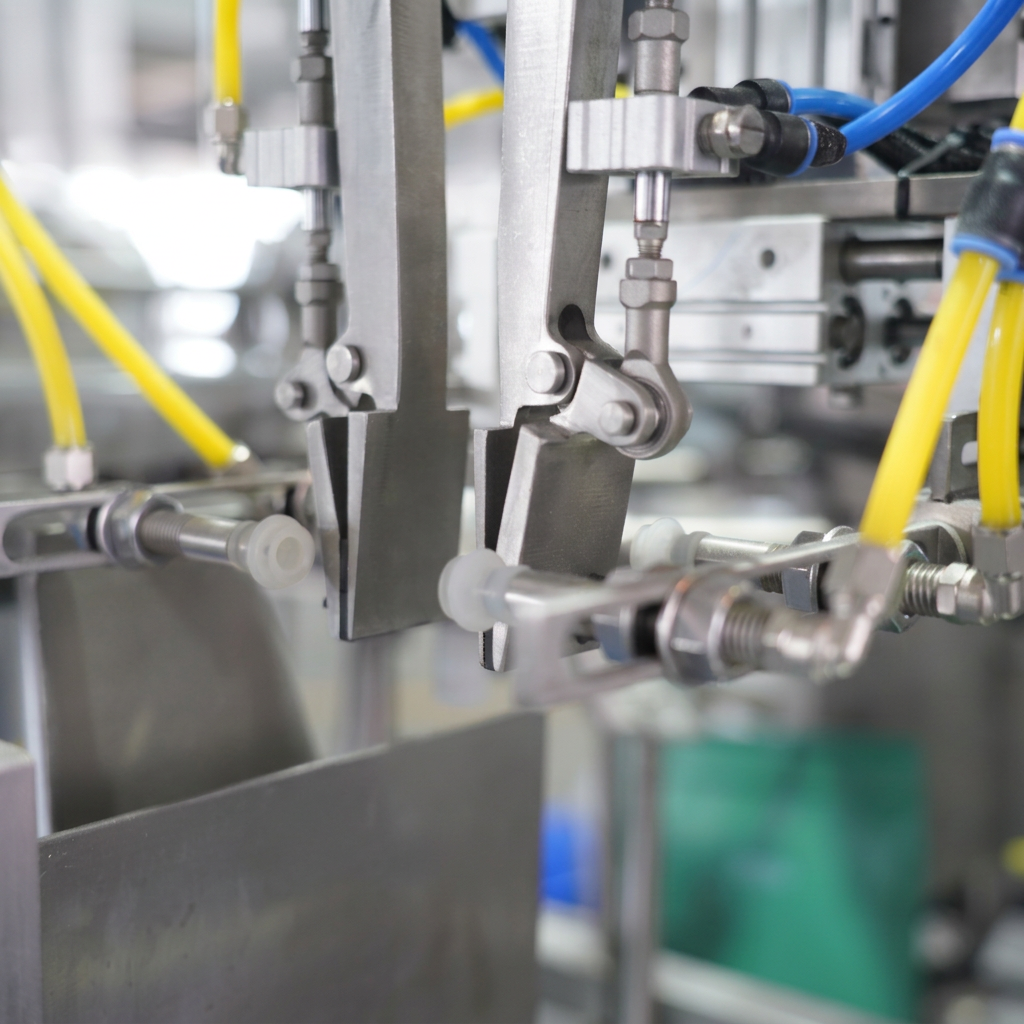
A rotary pouch packing machine represents a significant investment for any food, pharmaceutical, or beverage production facility. To protect that investment and maintain consistent output quality, understanding the maintenance requirements of a rotary pouch packing machine is absolutely essential. Regular maintenance not only prevents unexpected breakdowns that disrupt production schedules but also extends the operational life of your equipment, reduces costly emergency repairs, and ensures your rotary pouch packing machine continues to deliver precise, reliable packaging performance. Without proper care, even the most advanced rotary pouch packing machine will experience accelerated wear, reduced efficiency, and compromised product quality.
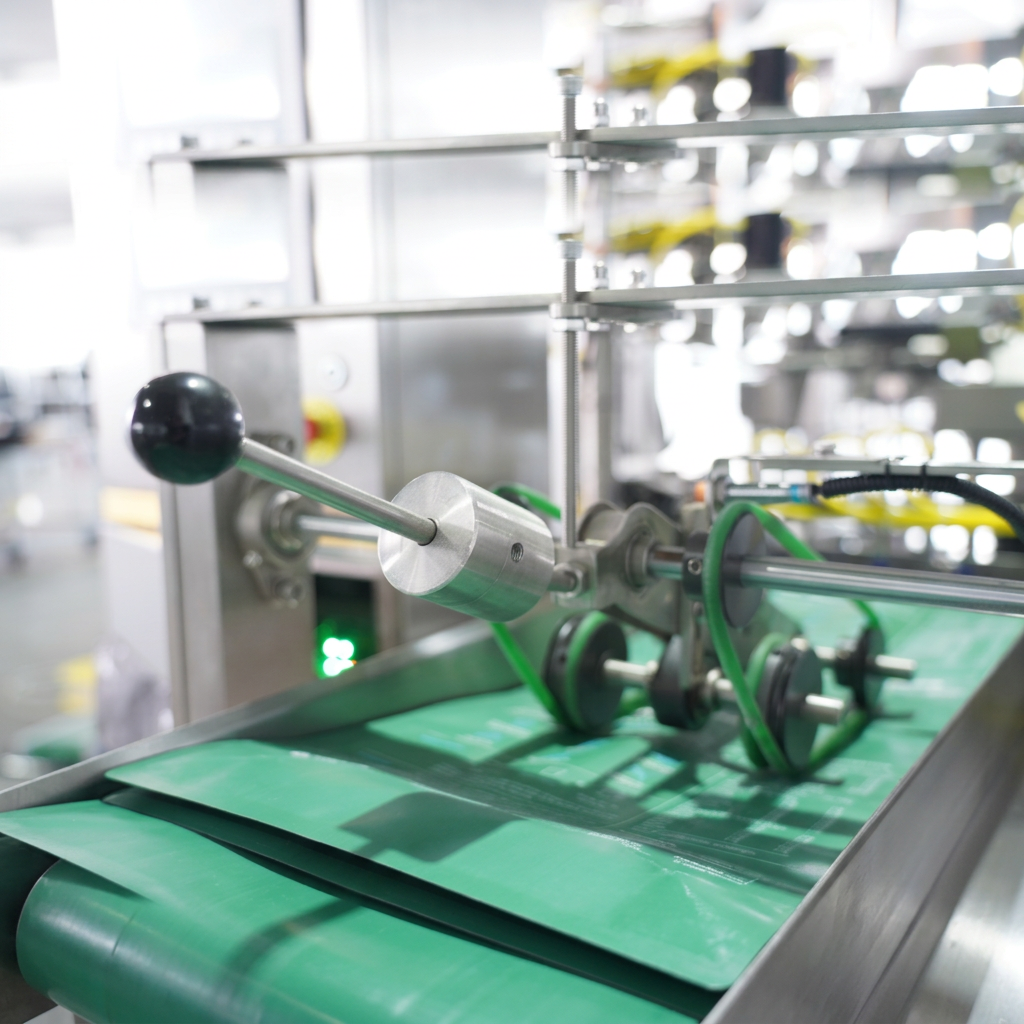
The key to maximizing the lifespan and performance of your rotary pouch packing machine lies in establishing a comprehensive, structured maintenance program. This program should include daily operational checks, weekly component inspections, and scheduled monthly or quarterly deep maintenance activities. By following a disciplined maintenance schedule tailored to your rotary pouch packing machine model and production volume, you can significantly reduce unplanned downtime, maintain packaging accuracy, and ensure safe operation for your team.
Before starting your rotary pouch packing machine each morning, conduct a visual inspection of all accessible components. Check that the rotary pouch packing machine is clean from any residual product material or dust accumulated overnight. Verify that all safety guards are properly in place and that no loose fasteners, disconnected hoses, or unusual debris surround the rotary pouch packing machine. Inspect the product hopper to ensure it contains adequate raw material and that feed mechanisms move freely without obstruction.
Daily maintenance of your rotary pouch packing machine should include checking oil levels in all designated reservoirs. Most modern rotary pouch packing machine models have clearly marked dipsticks or sight glasses that allow operators to verify lubrication levels within seconds. If your rotary pouch packing machine uses hydraulic or pneumatic systems, inspect pressure gauges to confirm they read within the manufacturer's specified range. Low oil levels in a rotary pouch packing machine can lead to increased friction, premature wear of sealing surfaces, and bearing failure.
Weekly maintenance for your rotary pouch packing machine should focus on thorough cleaning of all contact surfaces, particularly the sealing jaws, forming tubes, and product pathways. A rotary pouch packing machine's sealing quality depends directly on clean, properly aligned jaws free from residual material buildup. Remove any hardened product, dust, or debris from the rotary pouch packing machine's seal areas using soft brushes or approved cleaning solutions. Check that all sealing surfaces are smooth and show no visible damage or warping that could compromise pouch integrity.
Monthly inspections of your rotary pouch packing machine should include verifying that all moving components remain properly aligned. Measure seal bar positions, check that the rotary pouch packing machine's forming tube is centered, and confirm that jaw closing pressure remains consistent. Many operators of a rotary pouch packing machine neglect alignment until problems become visible in finished pouches. Preventive calibration of your rotary pouch packing machine takes less than an hour monthly but prevents weeks of troubleshooting later.
Every rotary pouch packing machine contains belts, chains, or direct drive components that experience continuous mechanical stress. These wear items on a rotary pouch packing machine should be inspected quarterly and replaced according to manufacturer recommendations or when visual inspection reveals cracking, fraying, or misalignment. Delaying replacement of worn drive components in your rotary pouch packing machine increases the risk of sudden failure during production runs. Proactive replacement of these items in your rotary pouch packing machine is far less expensive than emergency downtime.
The main drive motor and all bearings in your rotary pouch packing machine are critical to smooth, reliable operation. During quarterly maintenance of your rotary pouch packing machine, listen for unusual grinding, squealing, or vibration sounds that indicate bearing wear. Measure vibration levels with appropriate equipment if available, as abnormal vibration is often the first sign of rotary pouch packing machine bearing problems. Many facilities benefit from professional vibration analysis of their rotary pouch packing machine annually to catch developing issues before they cause failure.
The heating elements that create seals in your rotary pouch packing machine must be regularly inspected and tested. Check that the rotary pouch packing machine maintains correct sealing temperature by testing sample pouches for seal strength. Heating elements in a rotary pouch packing machine degrade over time, reducing seal quality and requiring periodic replacement. Additionally, inspect all temperature sensors and control circuits on your rotary pouch packing machine to ensure they respond accurately to temperature adjustments.
Establish a detailed maintenance log for your rotary pouch packing machine where operators record all inspections, adjustments, fluid additions, and component replacements. This documentation becomes invaluable for identifying patterns in rotary pouch packing machine performance and predicting when major components will require replacement. Your rotary pouch packing machine maintenance log also serves as proof of proper care for warranty claims and provides valuable data for troubleshooting any recurring issues.
Poor seal quality often indicates that your rotary pouch packing machine's sealing jaws need cleaning or that temperature settings require adjustment. Irregular pouch dimensions usually mean the rotary pouch packing machine's forming tube has drifted out of alignment. Inconsistent fill weights suggest your rotary pouch packing machine's weighing system needs calibration. Product leakage from finished pouches typically points to worn sealing surfaces on your rotary pouch packing machine that need replacement. Understanding these common issues helps your team address rotary pouch packing machine problems quickly before they impact production volume.
The motor on a rotary pouch packing machine should be inspected quarterly for unusual sounds or vibration. Most manufacturers recommend professional motor service annually or after 3,000 operating hours. If your rotary pouch packing machine runs continuously, more frequent inspections may be necessary to catch developing bearing wear early.
Seal failures in a rotary pouch packing machine typically result from dirty sealing jaws, incorrect temperature settings, or misaligned jaw closure. Product residue buildup on your rotary pouch packing machine's seal bars prevents proper contact with pouch material. Temperature drift in your rotary pouch packing machine's heating system reduces seal strength, while worn sealing elements cannot maintain consistent pressure regardless of settings.
Absolutely. Preventive maintenance of your rotary pouch packing machine can reduce unexpected breakdowns by up to 80 percent. Facilities that maintain detailed maintenance schedules for their rotary pouch packing machine experience significantly fewer emergency repairs and maintain higher overall production uptime than those relying on reactive maintenance only.

2026/09/20
Premade Pouch Machines: Reduce Film Waste, Cut TCO & Achieve Faster ROI

2026/09/20
Cut Premade Pouch Machine Changeover Time by 40% with Proven Best Practices

2026/09/20
Premade Pouch Machines: Boost Throughput, Cut Waste & Improve ROI

2026/09/20
Rotary vs Inline Premade Pouch Machines: Speed, ROI & Scalability Compared

2026/09/20
Premade Pouch Machine: Boost Throughput, Cut Labor Costs & Improve Seal Integrity

2026/09/21
Premade Pouch Machine: Pouch Types, Materials & Filling Guide

