 EN
How to Reduce Film Waste with a Premade Pouch Packaging Machine?
2026/09/20
Premade Pouch Machines: Reduce Film Waste, Cut TCO & Achieve Faster ROI

2026/09/29
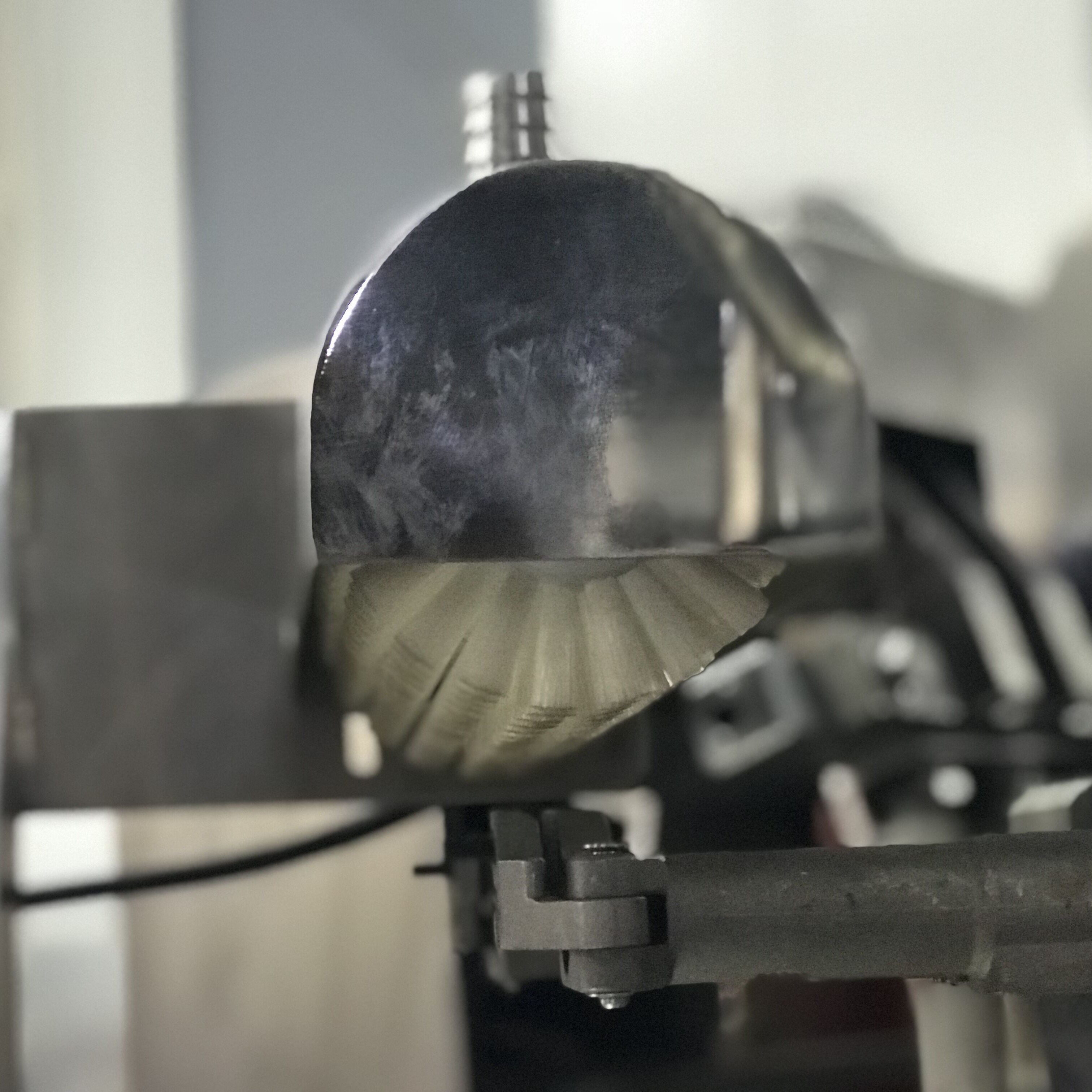
Downtime on a rotary pouch packing machine represents one of the costliest challenges in modern packaging operations. When a rotary pouch packing machine stops production unexpectedly, it disrupts your entire workflow, delays shipments, and directly impacts profitability. The ability to reduce downtime on a rotary pouch packing machine separates high-performing packaging facilities from struggling ones. Understanding the root causes of downtime and implementing strategic interventions allows you to keep your rotary pouch packing machine operating at peak efficiency while minimizing costly production interruptions.
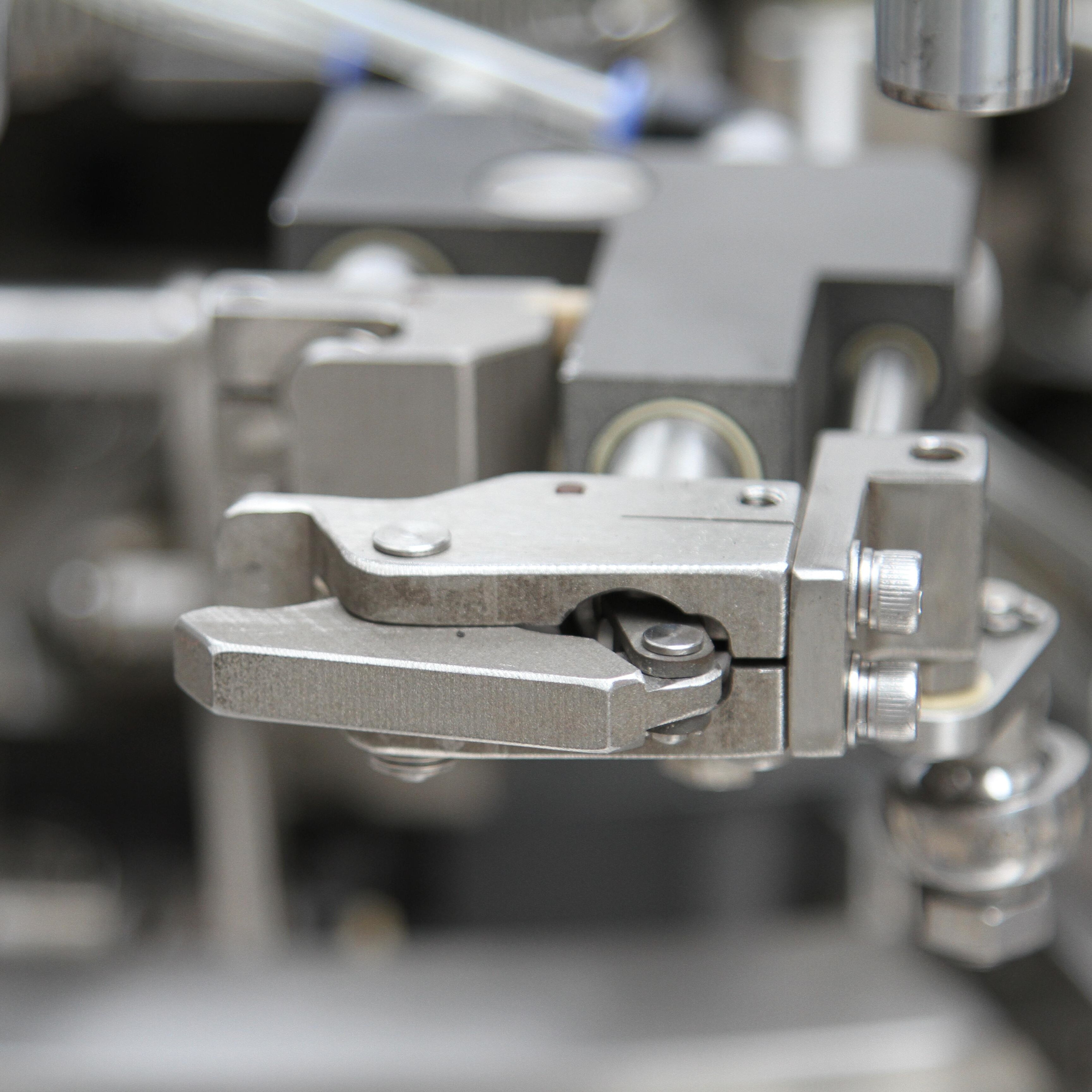
A rotary pouch packing machine is engineered to handle high-speed production cycles, but mechanical complexity means multiple potential failure points exist. Achieving optimal uptime requires a multifaceted approach combining preventive maintenance, operator training, real-time monitoring, and rapid troubleshooting protocols. This article explores actionable strategies to reduce downtime on your rotary pouch packing machine and establish a reliable production environment that protects your bottom line.
The rotary pouch packing machine experiences predictable failure patterns when maintenance is neglected. Seal head misalignment, worn belt tension, and friction buildup in rotary mechanisms are primary culprits behind unexpected halts. When your rotary pouch packing machine encounters seal inconsistencies, rejected products pile up and production grinds to a halt. Mechanical wear accelerates when operators lack proper training on load limits and cycle speeds. Understanding these failure modes helps you anticipate problems before they force your rotary pouch packing machine offline.
Dust accumulation, moisture ingress, and improper film handling directly compromise a rotary pouch packing machine's performance. When the rotary pouch packing machine processes films with inconsistent thickness or contaminated surfaces, sensor errors trigger emergency stops. Temperature fluctuations in your facility affect seal quality, causing the rotary pouch packing machine to reject batches and recalibrate constantly. Material compatibility issues between your chosen film and the rotary pouch packing machine's specifications often go undiagnosed until production suffers. Identifying and controlling these environmental factors significantly reduces unplanned downtime.
Planned maintenance is far cheaper than emergency repairs that shut down your rotary pouch packing machine during critical production windows. A rotary pouch packing machine should undergo lubrication checks every two weeks, with seal inspections and belt tension adjustments scheduled monthly. Quarterly disassembly and cleaning of rotary mechanisms prevents the gradual degradation that leads to failure. By scheduling maintenance during planned downtime rather than reacting to breakdowns, you transform your rotary pouch packing machine from a liability into a reliable asset. Many facilities find that committing to structured preventive maintenance reduces unplanned downtime by 60–70 percent.
Maintaining critical spare parts on site ensures that when your rotary pouch packing machine needs attention, replacement components are immediately available. Identify the three to five highest-wear components specific to your rotary pouch packing machine model and keep extras in stock. Establish relationships with trusted suppliers who can provide emergency parts when your rotary pouch packing machine encounters unexpected damage. Poor supplier relationships force extended waits for replacement parts, turning a minor repair into days of production loss. Strategic parts management directly reduces recovery time when your rotary pouch packing machine requires service.
Your rotary pouch packing machine performs only as well as the operators running it. Comprehensive training ensures operators understand the correct startup sequence, load specifications, and emergency shutdown procedures for your rotary pouch packing machine. When operators recognize early warning signs—unusual vibrations, temperature spikes, or inconsistent seal strength—they can alert maintenance before failure occurs. A rotary pouch packing machine under the control of a well-trained operator experiences fewer accidental stoppages, reduced product waste, and extended service life. Investing in quarterly refresher training pays dividends through improved uptime and fewer operator-induced errors.
Modern facilities equip their rotary pouch packing machine with IoT sensors that track operational metrics continuously. These systems alert you to abnormal vibration, temperature drift, or pressure anomalies on your rotary pouch packing machine before they escalate into failures. When your rotary pouch packing machine's sensor data shows seal temperature creeping upward, maintenance teams can investigate and adjust before product rejects spike. Predictive maintenance powered by your rotary pouch packing machine's data stream shifts your facility from reactive troubleshooting to proactive intervention. This approach reduces the frequency and severity of unplanned downtime events substantially.
When your rotary pouch packing machine stops, the speed of recovery matters enormously. Document common fault codes and their remedies in a quick-reference guide accessible to your production team. Train one or two operators as 'super users' on the nuances of your specific rotary pouch packing machine model so they can diagnose issues faster than service technicians. Most minor stoppages on a rotary pouch packing machine—misaligned film, loose belts, or sensor contamination—can be resolved within fifteen minutes by knowledgeable staff. By empowering your team to solve simple problems immediately, you eliminate the frustration and delay of waiting for external support, keeping your rotary pouch packing machine productive.
Every downtime event on your rotary pouch packing machine should be logged with timestamps, symptoms, and root causes. Over time, this data reveals patterns—perhaps your rotary pouch packing machine fails most often after processing thicker films, or during temperature swings. When you analyze trends in your rotary pouch packing machine's downtime, you can implement targeted fixes that prevent recurrence. A facility that treats downtime as a learning opportunity, rather than an isolated incident, continuously improves its rotary pouch packing machine's reliability. This systematic approach compounds over time, transforming unreliable equipment into a trusted production backbone.
Seal head misalignment and worn sealing components are the leading causes of unplanned downtime. When a rotary pouch packing machine's seal system drifts out of calibration, it produces rejected packages and forces the machine to stop for readjustment. Poor maintenance of sealing surfaces accelerates wear, shortening the interval between failures on your rotary pouch packing machine and reducing overall uptime.
A rotary pouch packing machine requires lubrication checks every two weeks and comprehensive inspections monthly. Quarterly deep maintenance—including seal replacement, bearing inspection, and belt tension adjustment—keeps your rotary pouch packing machine in peak condition. The frequency should increase if your rotary pouch packing machine operates at high speeds or processes challenging materials that accelerate wear.
Yes, operator training significantly reduces downtime on a rotary pouch packing machine. Well-trained operators catch early warning signs, avoid mishandling that causes damage, and respond quickly to minor issues before they escalate. Facilities that invest in regular training for their rotary pouch packing machine operators typically see 30–50 percent improvements in overall equipment effectiveness and uptime.

2026/09/20
Premade Pouch Machines: Reduce Film Waste, Cut TCO & Achieve Faster ROI

2026/09/20
Cut Premade Pouch Machine Changeover Time by 40% with Proven Best Practices

2026/09/20
Premade Pouch Machines: Boost Throughput, Cut Waste & Improve ROI

2026/09/20
Rotary vs Inline Premade Pouch Machines: Speed, ROI & Scalability Compared

2026/09/20
Premade Pouch Machine: Boost Throughput, Cut Labor Costs & Improve Seal Integrity

2026/09/21
Premade Pouch Machine: Pouch Types, Materials & Filling Guide

