 EN
How to Reduce Film Waste with a Premade Pouch Packaging Machine?
2026/09/20
Premade Pouch Machines: Reduce Film Waste, Cut TCO & Achieve Faster ROI

2026/09/23
Successfully integrating a premade pouch packaging machine with your filling system is critical to achieving smooth, efficient production in modern packaging operations. The premade pouch packaging machine serves as the foundation of your filling line, and proper integration ensures minimal downtime, reduced material waste, and consistent product quality. Whether you operate in food, beverages, pharmaceuticals, or chemicals, understanding how to connect these systems effectively can significantly improve your operational performance and bottom line.
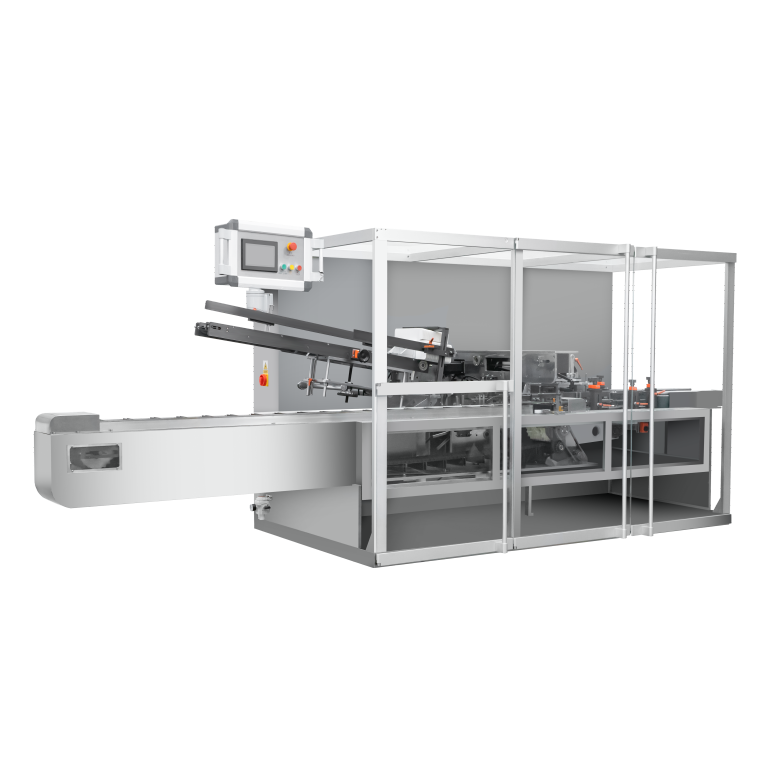
The integration process involves aligning mechanical, electrical, and software components to create a cohesive packaging system. A well-configured premade pouch packaging machine with compatible fillers enables automatic pouch feeding, precise filling volumes, and reliable sealing without manual intervention. This article explores the essential steps, technical considerations, and best practices for integrating your premade pouch packaging machine with filling equipment to maximize productivity and product consistency.
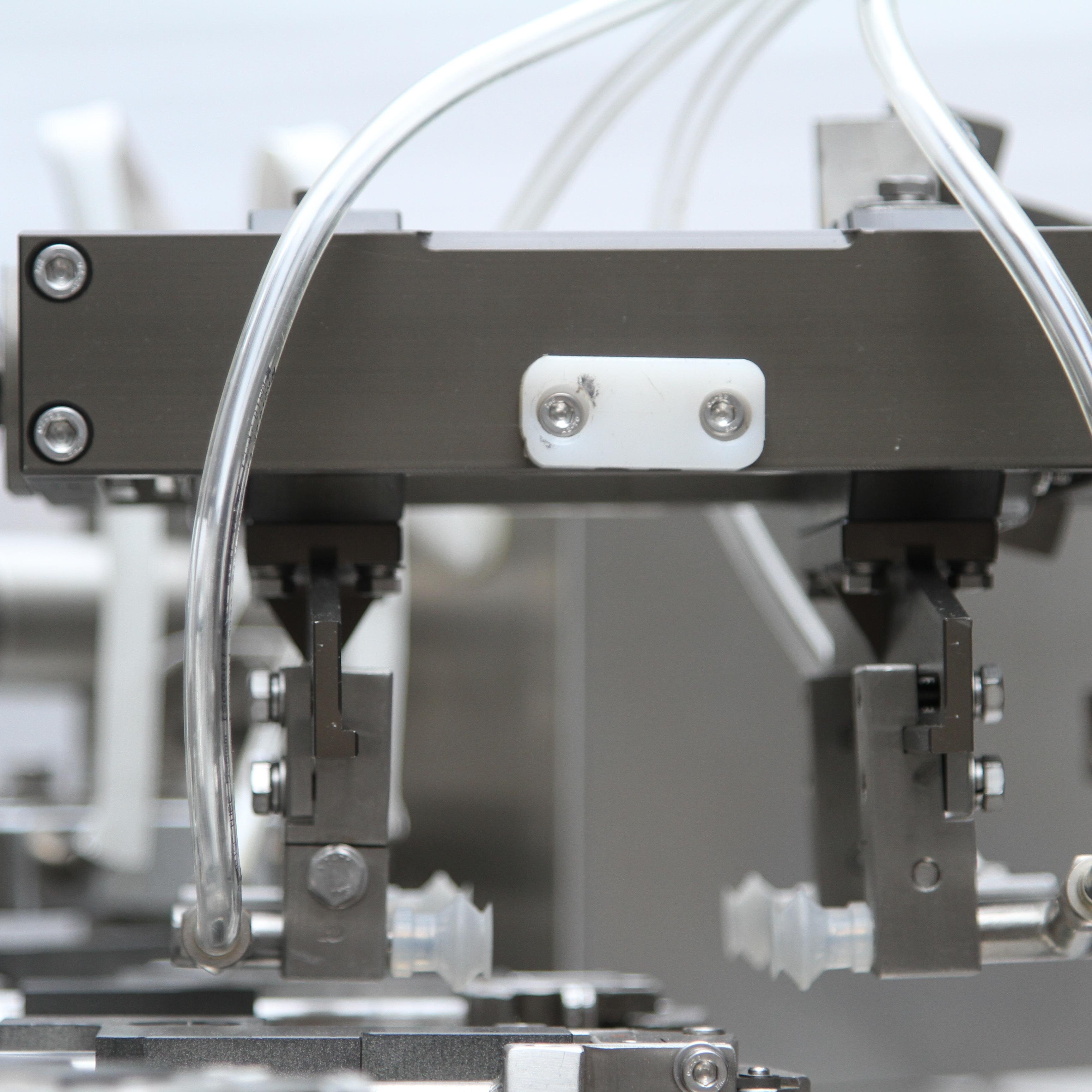
A premade pouch packaging machine operates through several interconnected systems that work together to feed, fill, and seal pouches. The hopper receives and stores premade pouches, while the feeding mechanism—typically using vacuum or mechanical grippers—extracts individual pouches and positions them precisely on the filling platform. The premade pouch packaging machine's positioning system ensures each pouch aligns correctly with the filler nozzles, which is essential for accurate volume control and preventing spillage or cross-contamination during the filling process.
The conveyor belt or rotary table of your premade pouch packaging machine transports pouches through each stage of production. Synchronization between the pouch movement and filler activation is critical; the premade pouch packaging machine must pause or position each pouch directly under the filler before dispensing begins. Modern premade pouch packaging machine designs include sensors and programmable logic controllers (PLCs) that coordinate these movements, ensuring timing accuracy to within milliseconds.
Before integrating any filler with your premade pouch packaging machine, verify that dimensions, speeds, and electrical specifications align. The premade pouch packaging machine's pouch support platform must accommodate the filler's dispensing head without interference, and pouch size ranges must be compatible with both machines' operational parameters. Electrical compatibility is equally important; ensure your premade pouch packaging machine and filler operate on compatible power systems, communication protocols, and safety standards to avoid costly retrofitting or system conflicts.
The physical placement of your filler relative to the premade pouch packaging machine determines integration success. Mount the filler at the exact height and distance specified by both manufacturers to ensure smooth pouch transition and proper nozzle alignment. When integrating a filler with your premade pouch packaging machine, use precision leveling tools to confirm that the filler's dispensing head sits perpendicular to the pouch opening, preventing product leakage or uneven distribution. The premade pouch packaging machine's discharge point and the filler's intake area should connect seamlessly, with minimal gap or overhang to prevent pouch misalignment.
Many manufacturers provide detailed integration diagrams and mounting kits specifically designed for their premade pouch packaging machine models. Use these resources to establish the correct spatial relationship between equipment. If your premade pouch packaging machine does not include integration templates, work with your equipment supplier or an experienced systems integrator to create custom mounting brackets and conveyor extensions that maintain precise pouch positioning throughout the filling stage.
The premade pouch packaging machine and filler must operate at matching speeds to maintain continuous flow without bottlenecks or product accumulation. Most modern premade pouch packaging machine systems include variable frequency drives (VFDs) that allow operators to adjust the pouch feeding rate to match the filler's dispensing capacity. When setting up your integration, configure the premade pouch packaging machine's control panel to run slightly faster than the filler's cycle time, allowing brief pauses for accurate dispensing without backing up the line.
Communication between the premade pouch packaging machine and filler typically occurs through hardwired signals or industrial protocols such as Modbus or Profibus. The premade pouch packaging machine's PLC sends position or proximity signals to the filler's control system, triggering the start of the filling cycle when a pouch is correctly positioned. This handshaking protocol ensures that no pouch receives product until it is fully seated and ready, preventing waste and maintaining quality consistency across all units processed by your premade pouch packaging machine.
Modern premade pouch packaging machine systems communicate with fillers through standardized industrial networks or discrete electrical signals. Your premade pouch packaging machine's control system must recognize and respond to the filler's status signals—such as 'ready,' 'filling,' and 'complete'—to coordinate the overall production sequence. If your premade pouch packaging machine uses proprietary software, work with the manufacturer to establish communication bridges or third-party gateways that translate between different control languages without compromising response time or reliability.
The integration of your premade pouch packaging machine with a filler requires careful configuration of input and output (I/O) points on both machines' control modules. Map each signal that the premade pouch packaging machine sends—such as 'pouch position reached' or 'conveyor stop'—to corresponding inputs on the filler's controller. Similarly, configure the premade pouch packaging machine to monitor outputs from the filler, such as 'fill in progress' or 'error detected,' allowing it to pause or reverse operations if issues arise during filling.
After establishing electrical connections between your premade pouch packaging machine and filler, conduct thorough testing without product to confirm timing, alignment, and emergency stop functionality. Run your premade pouch packaging machine through multiple cycles at slow speed, observing whether pouches position correctly and whether the filler activates at the intended moments. Safety interlocks must prevent the premade pouch packaging machine from conveying pouches into the filling zone if the filler is not ready, and emergency stop buttons on both machines must halt all movement immediately when pressed.
Document all calibration and signal-mapping procedures for your premade pouch packaging machine and filler integration in a control manual accessible to operators and maintenance personnel. Include diagrams showing PLC wiring, signal sequences, and troubleshooting steps for common integration issues. This documentation ensures that any technician can maintain or reconfigure your premade pouch packaging machine integration if component failures occur or if you add additional equipment to the packaging line in the future.
Cycle time depends on pouch size, product viscosity, and filler type, but most integrated systems complete one pouch per 2 to 6 seconds. A premade pouch packaging machine with a volumetric filler can achieve faster cycles than one paired with a peristaltic pump, as peristaltic systems prioritize accuracy over speed. Your specific premade pouch packaging machine model and the filler's dispensing technology will determine the achievable throughput for your production environment.
Yes, a premade pouch packaging machine can integrate with third-party fillers if dimensions, electrical specifications, and control protocols are compatible. However, compatibility is not guaranteed; verify with both manufacturers that the premade pouch packaging machine's discharge platform can physically accommodate the filler and that their control systems can communicate reliably. Using equipment from the same manufacturer often simplifies integration and provides stronger technical support.
Regular inspection of conveyor belts, sensors, and electrical connections is essential for your premade pouch packaging machine and filler to operate reliably. Clean feed hoppers and verify pouch supply regularly, and inspect all mounting brackets and alignment fixtures quarterly to catch wear or misalignment early. Preventive maintenance of your premade pouch packaging machine's vacuum system and the filler's nozzles extends equipment life and minimizes unplanned downtime during production runs.

2026/09/20
Premade Pouch Machines: Reduce Film Waste, Cut TCO & Achieve Faster ROI

2026/09/20
Cut Premade Pouch Machine Changeover Time by 40% with Proven Best Practices

2026/09/20
Premade Pouch Machines: Boost Throughput, Cut Waste & Improve ROI

2026/09/20
Rotary vs Inline Premade Pouch Machines: Speed, ROI & Scalability Compared

2026/09/20
Premade Pouch Machine: Boost Throughput, Cut Labor Costs & Improve Seal Integrity

2026/09/21
Premade Pouch Machine: Pouch Types, Materials & Filling Guide

