XCJ Series Industrial Vacuum Cleaner
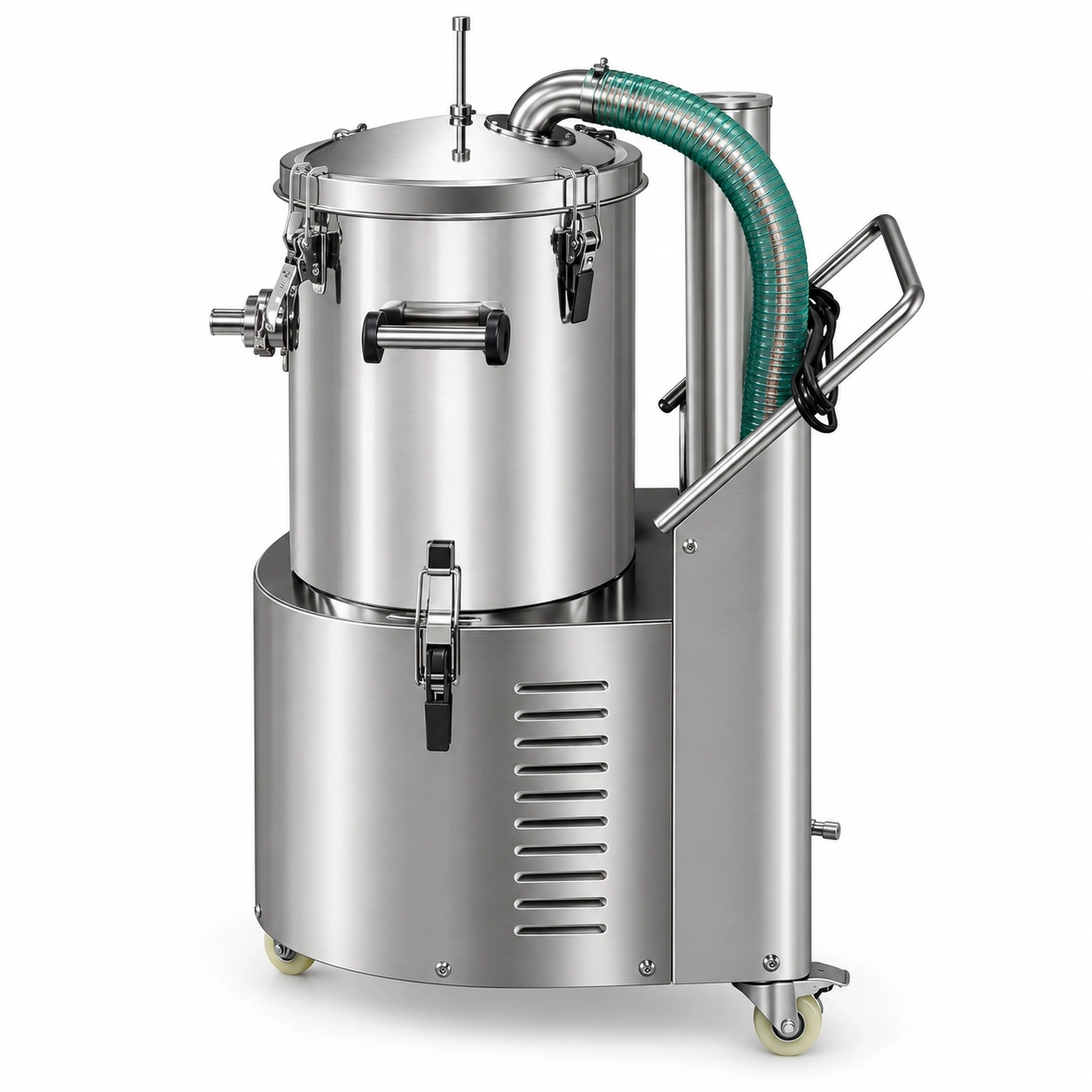
The XCJ Series Industrial Vacuum Cleaner is designed as auxiliary suction equipment for production-area housekeeping and material collection. It is offered in five documented models: XCJ-95, XCJ-210, XCJ-260, XCJ-280, and XCJ-350. Each model has a published combination of suction capacity, final vacuum degree, rated power, dimensions, and net weight. This model range gives production teams a practical way to begin an equipment discussion with documented data rather than a general equipment label.
For routine housekeeping, the collection task shapes the choice. Fine dust, larger particles, and ordinary production debris can require different planning for pickup, movement, emptying, and access. An Industrial Vacuum Cleaner should therefore be considered with the material to be collected, the cleaning interval, the travel distance to the collection point, available power, open floor area, and the route used for routine service. These conditions help relate a published model specification to the intended production location.
Documented XCJ Model Range
The XCJ-95 Industrial Vacuum Cleaner is listed with a suction capacity of 95 m³/h, a final vacuum degree of 12 kPa, 0.55 kW power, overall dimensions of 360 × 270 × 950 mm, and a net weight of 10 kg. It provides the smallest published capacity and footprint in the series. Its listed dimensions give a starting point for considering placement where access around surrounding equipment matters.
The XCJ-210 Industrial Vacuum Cleaner is listed at 210 m³/h suction capacity, 18 kPa final vacuum degree, 1.5 kW power, dimensions of 750 × 420 × 1050 mm, and a net weight of 42 kg. The XCJ-260 Industrial Vacuum Cleaner is listed at 260 m³/h, 25 kPa, 2.2 kW, 780 × 450 × 1150 mm, and 50 kg. These two models show how the range steps upward in the documented capacity, vacuum reference, motor value, size, and weight figures.
The XCJ-280 Industrial Vacuum Cleaner is listed with 280 m³/h suction capacity, 26 kPa final vacuum degree, 3 kW power, dimensions of 850 × 600 × 1300 mm, and a net weight of 60 kg. The XCJ-350 Industrial Vacuum Cleaner is listed with 350 m³/h, 26 kPa, 4 kW, dimensions of 980 × 730 × 1500 mm, and a net weight of 80 kg. All five XCJ models have a stated 220/380 V, 50 Hz power reference. Electrical provision and installation conditions should be reviewed for the planned operating position.
| XCJ model |
Published suction capacity |
Published vacuum degree |
Rated motor power |
Overall size in mm |
Published net weight |
| XCJ-95 |
95 m³/h |
12 kPa |
0.55 kW |
360 × 270 × 950 |
10 kg |
| XCJ-210 |
210 m³/h |
18 kPa |
1.5 kW |
750 × 420 × 1050 |
42 kg |
| XCJ-260 |
260 m³/h |
25 kPa |
2.2 kW |
780 × 450 × 1150 |
50 kg |
| XCJ-280 |
280 m³/h |
26 kPa |
3 kW |
850 × 600 × 1300 |
60 kg |
| XCJ-350 |
350 m³/h |
26 kPa |
4 kW |
980 × 730 × 1500 |
80 kg |
Practical Features of the Series
-
Five published operating levels: the series spans suction capacities from 95 to 350 m³/h.
-
Vacuum reference by model: the listed final vacuum degree ranges from 12 to 26 kPa.
-
Power information: rated motor values extend from 0.55 to 4 kW under the stated 220/380 V, 50 Hz reference.
-
Physical planning data: every model includes published dimensions and net weight.
-
Application-led discussion: material, collection distance, cleaning pattern, and operator access remain central to the choice.
Capacity is useful only when it is considered with the actual collection work. A higher capacity figure does not by itself describe the material, pickup arrangement, or operating routine. In the same way, a compact Industrial Vacuum Cleaner can fit a constrained location only if there is also usable room for emptying, inspection, and maintenance. The XCJ specifications allow those practical questions to be raised early when comparing the five models.
Final vacuum degree, motor power, and overall dimensions are most useful when read as related information. A production area may have a preferred installation space, a defined utility point, and an established route for an operator. Reviewing those conditions with the published data can help focus the conversation on a suitable member of the XCJ Series. The product information does not replace application-specific confirmation, but it provides clear figures for an initial model discussion.
Where the XCJ Series Can Be Considered
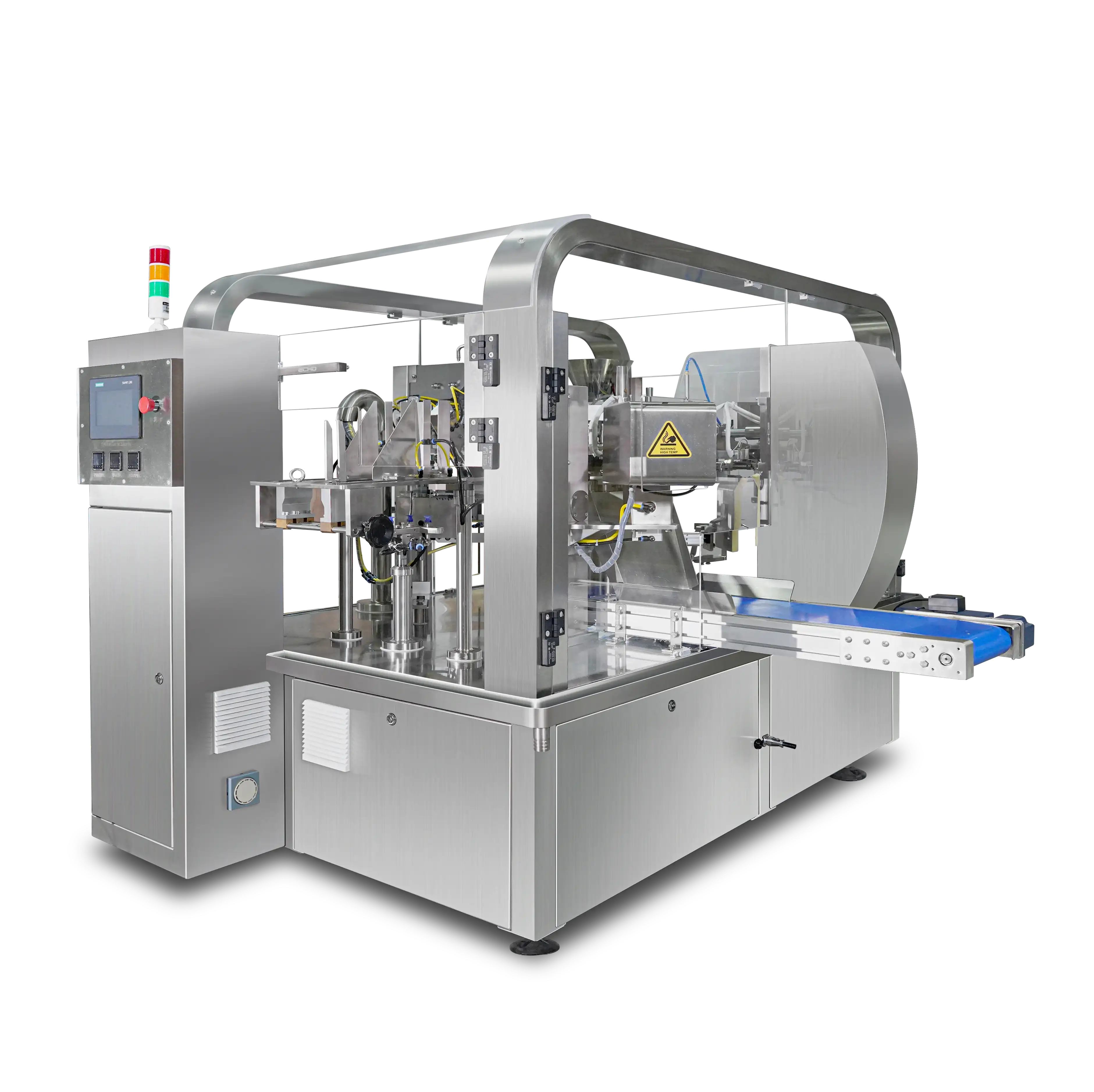
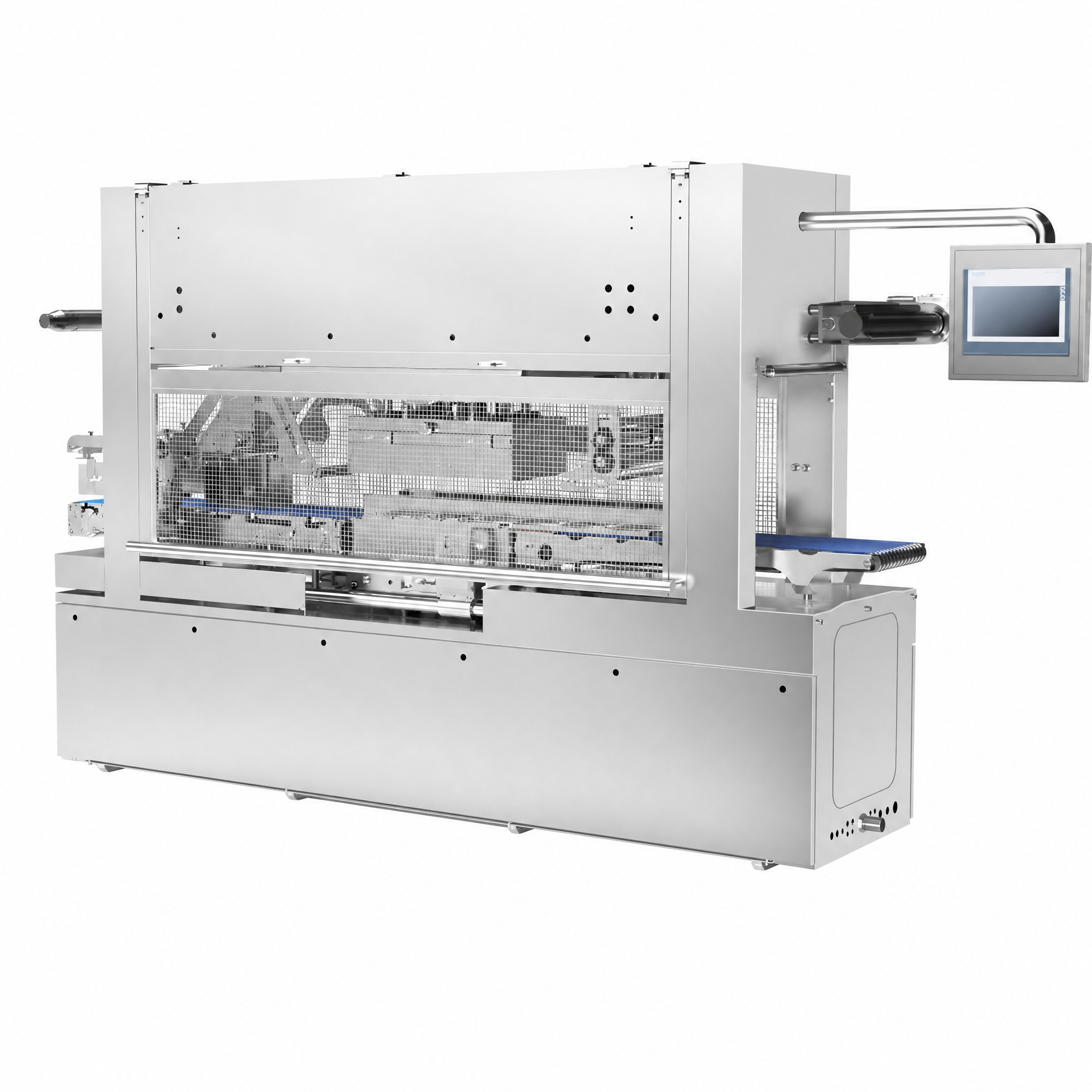
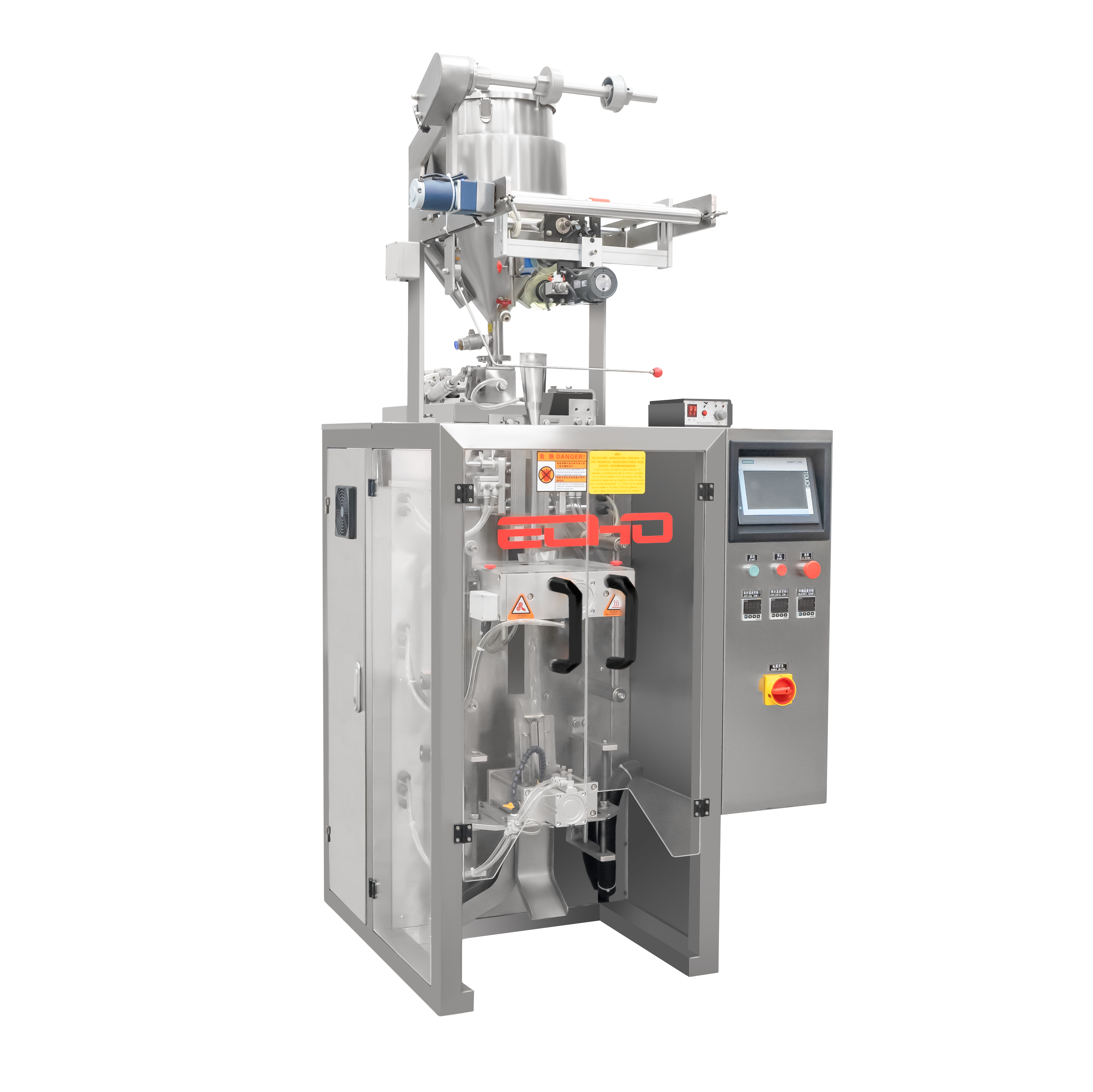
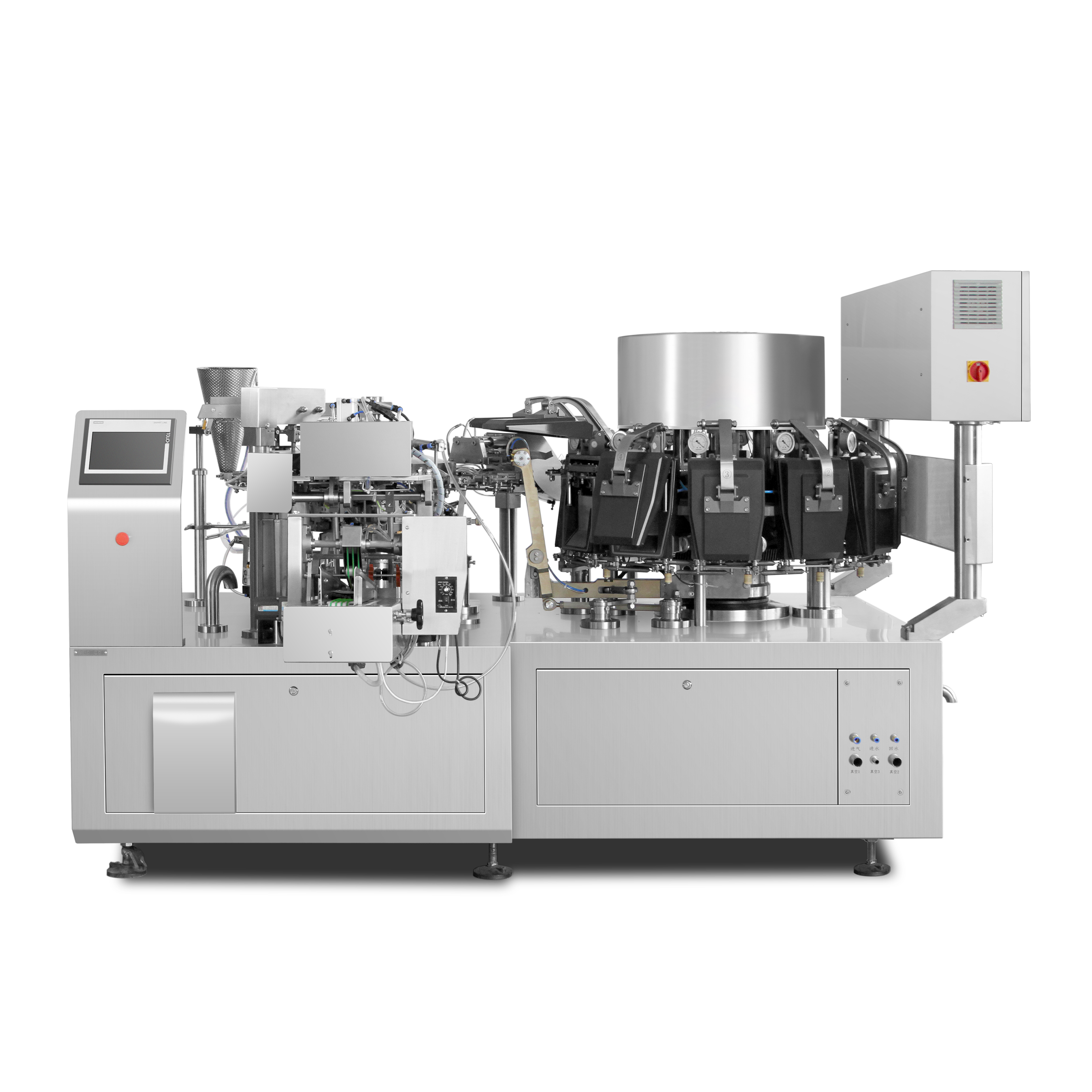
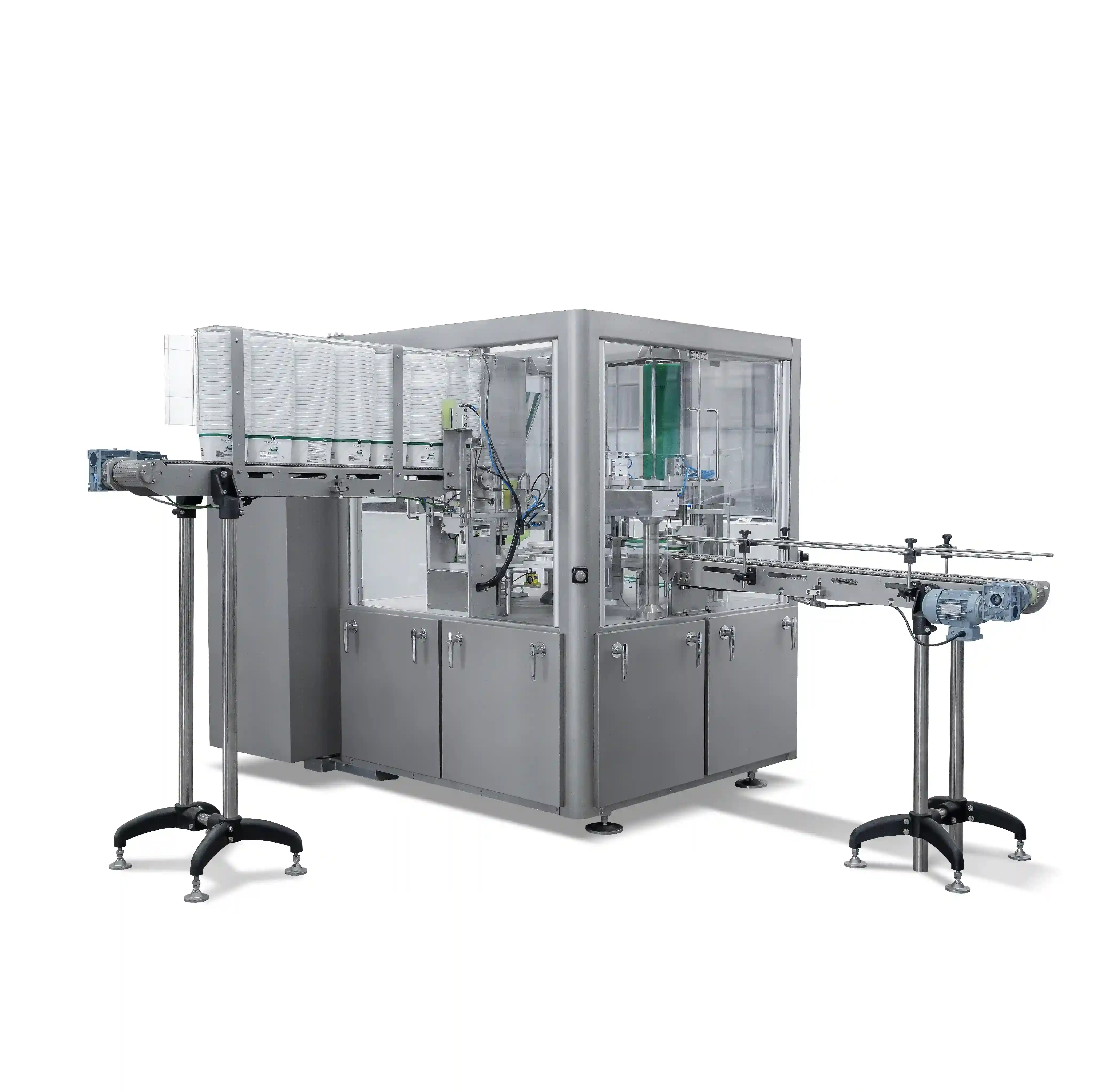
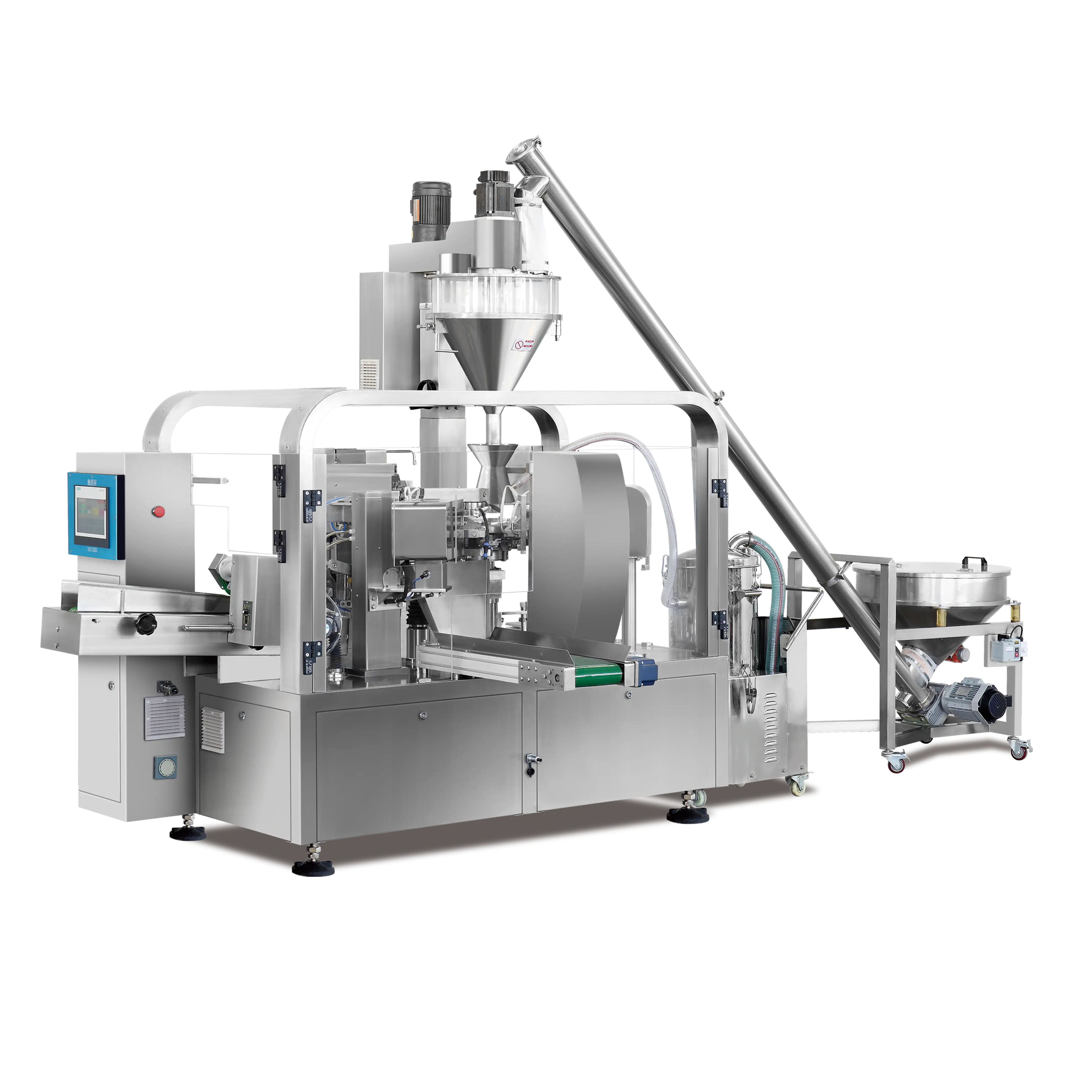
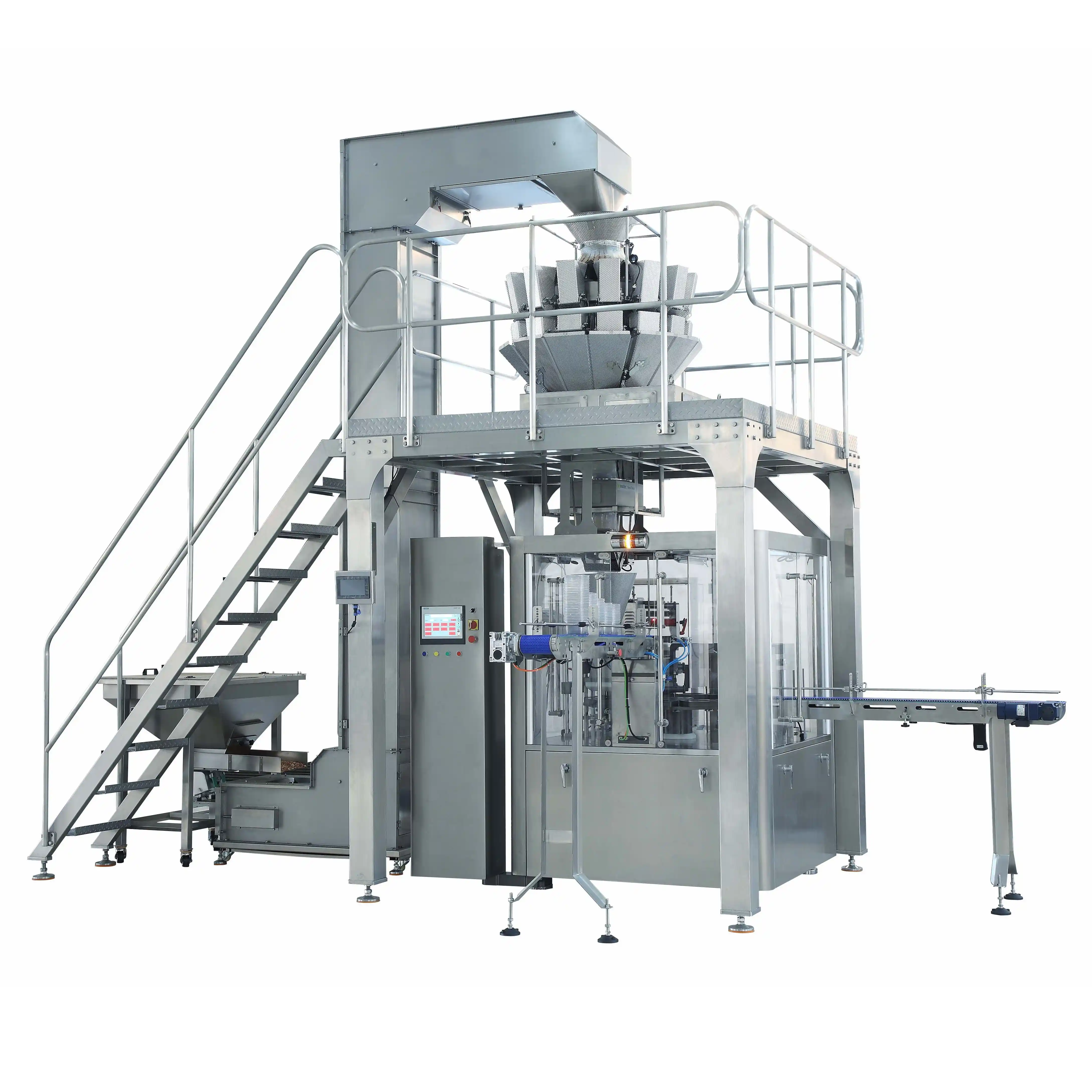
An Industrial Vacuum Cleaner can be considered beside production equipment where housekeeping and material collection are part of the normal operating routine. In a packaging area, auxiliary suction equipment may be planned near machinery when there is suitable space for the unit and access for the person using it. The cleaner serves a support role in the area; it is not a replacement for filling, weighing, packaging, or conveying equipment that performs the principal process.
A workstation or equipment-side zone is another setting for an Industrial Vacuum Cleaner. When cleaning is required at intervals, the published weight and dimensions can be reviewed together with the path for moving around the unit. The documented capacity and power information can then be discussed with the material involved and the planned collection distance. This keeps the conversation connected to the physical conditions of the work area.
The XCJ Series may also be included in a broader packaging-line layout discussion. In that context, an Industrial Vacuum Cleaner is auxiliary equipment whose proposed position can be considered alongside machine placement, electrical provision, routine cleaning needs, and service access. The intended material and actual installation conditions should be shared before a final configuration decision is made.
Selection Discussion and Inquiry
The supplied product information identifies the XCJ-260 as a companion option for machinery depending on the application. It is one documented option within the range, not a universal answer for every collection task. An Industrial Vacuum Cleaner discussion can start with the published capacity, vacuum degree, power, dimensions, and weight, then move to the material, cleaning frequency, collection distance, available floor space, and electrical arrangement.
When contacting us about an Industrial Vacuum Cleaner, provide the material to be collected, the production-area layout, the desired cleaning routine, available power, and the intended equipment location. These details help relate the XCJ Series model information to the operating situation. The five-model comparison supports a focused conversation about placement, installation planning, emptying access, and routine maintenance access.

 EN