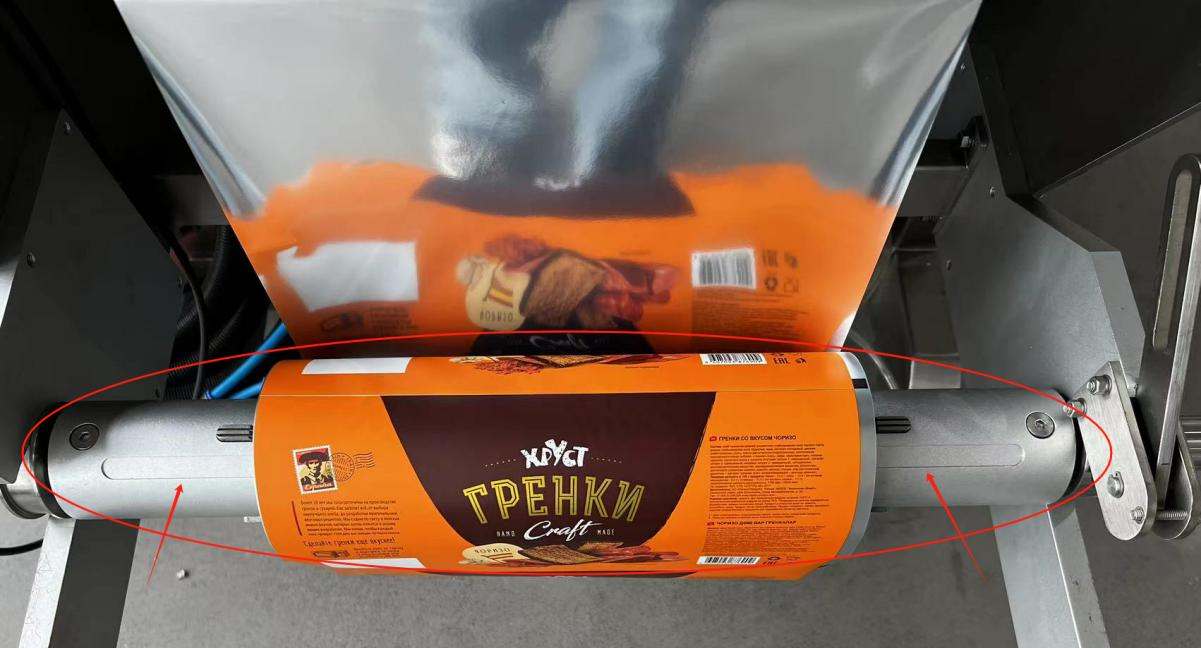
Circular Cup Filler for Volumetric Portioning
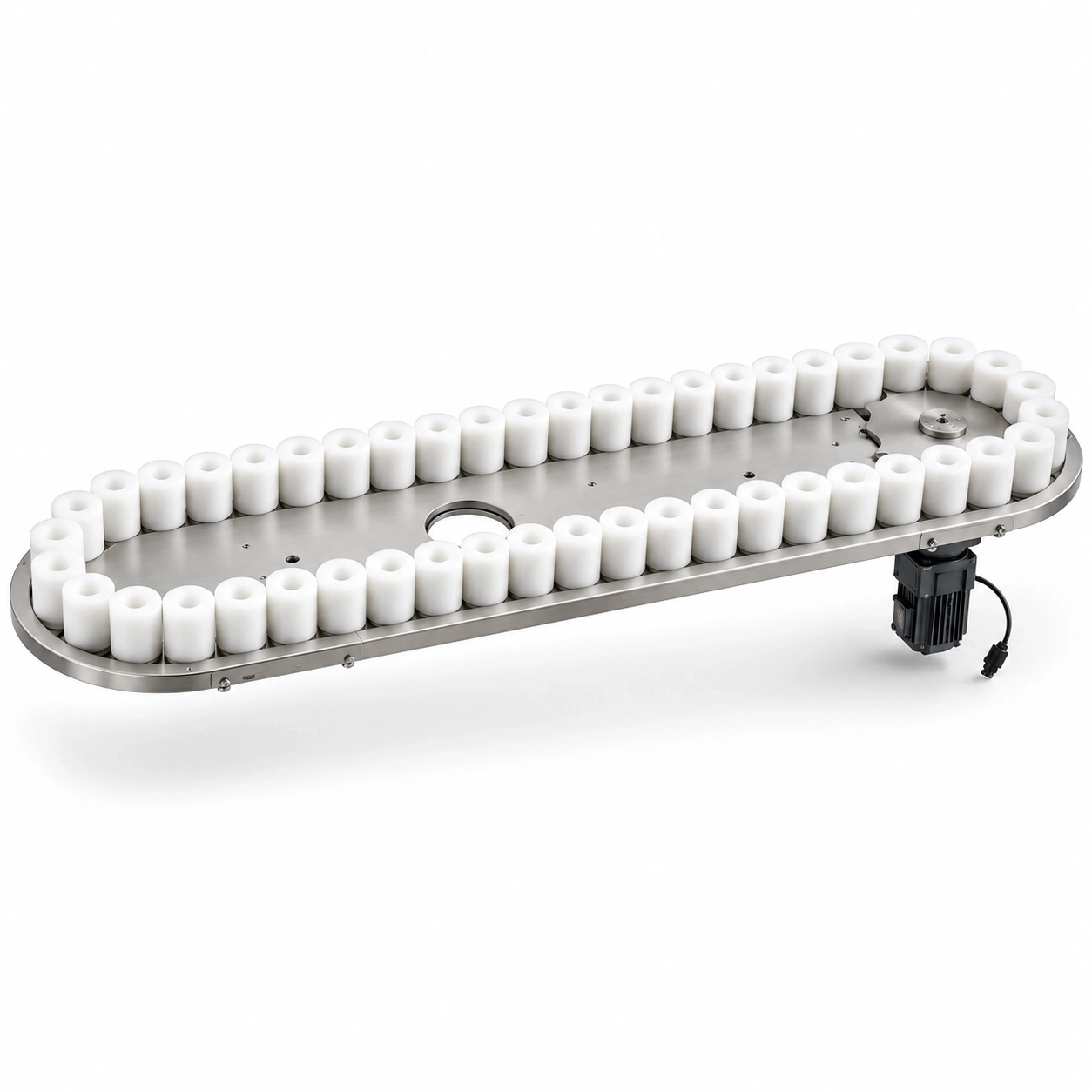
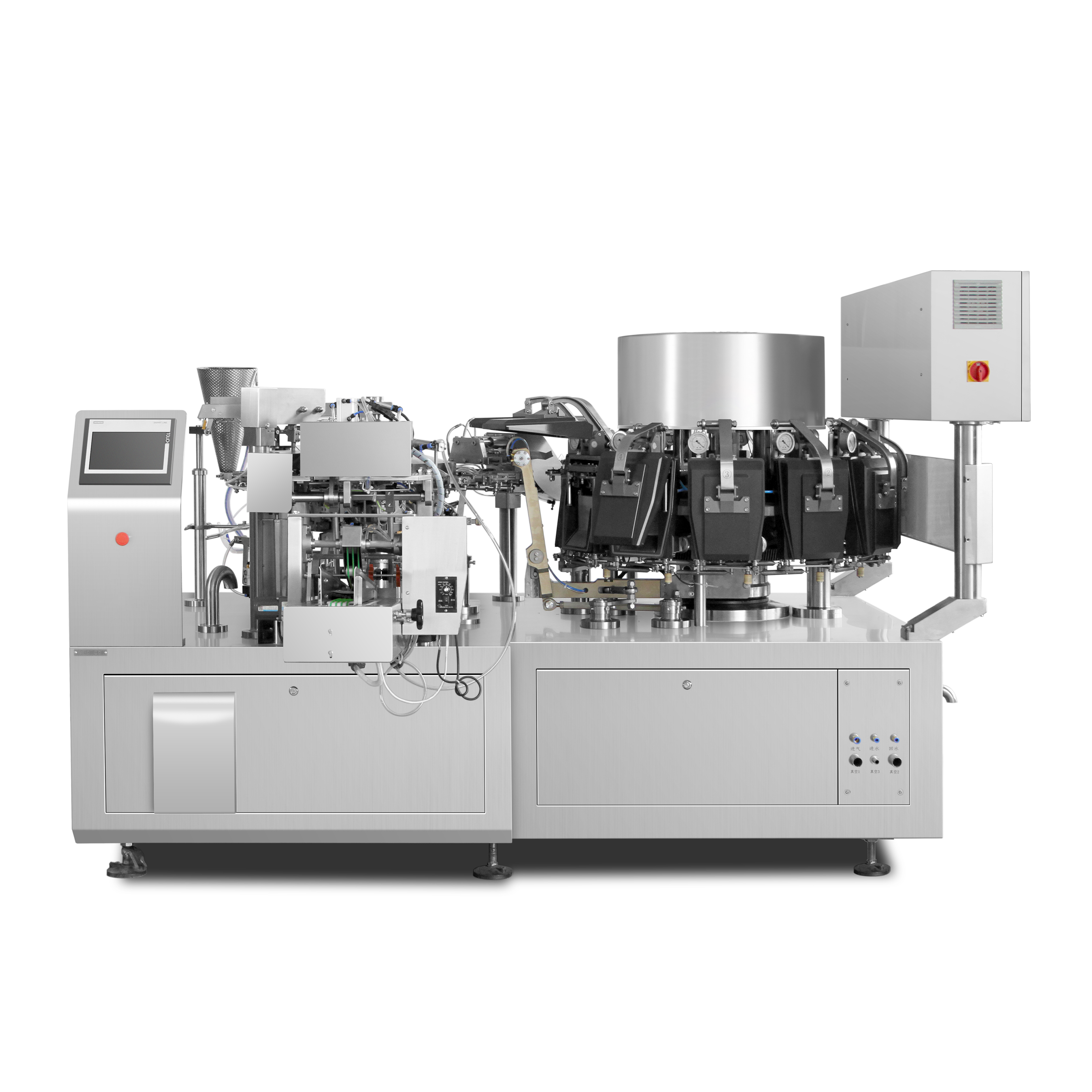
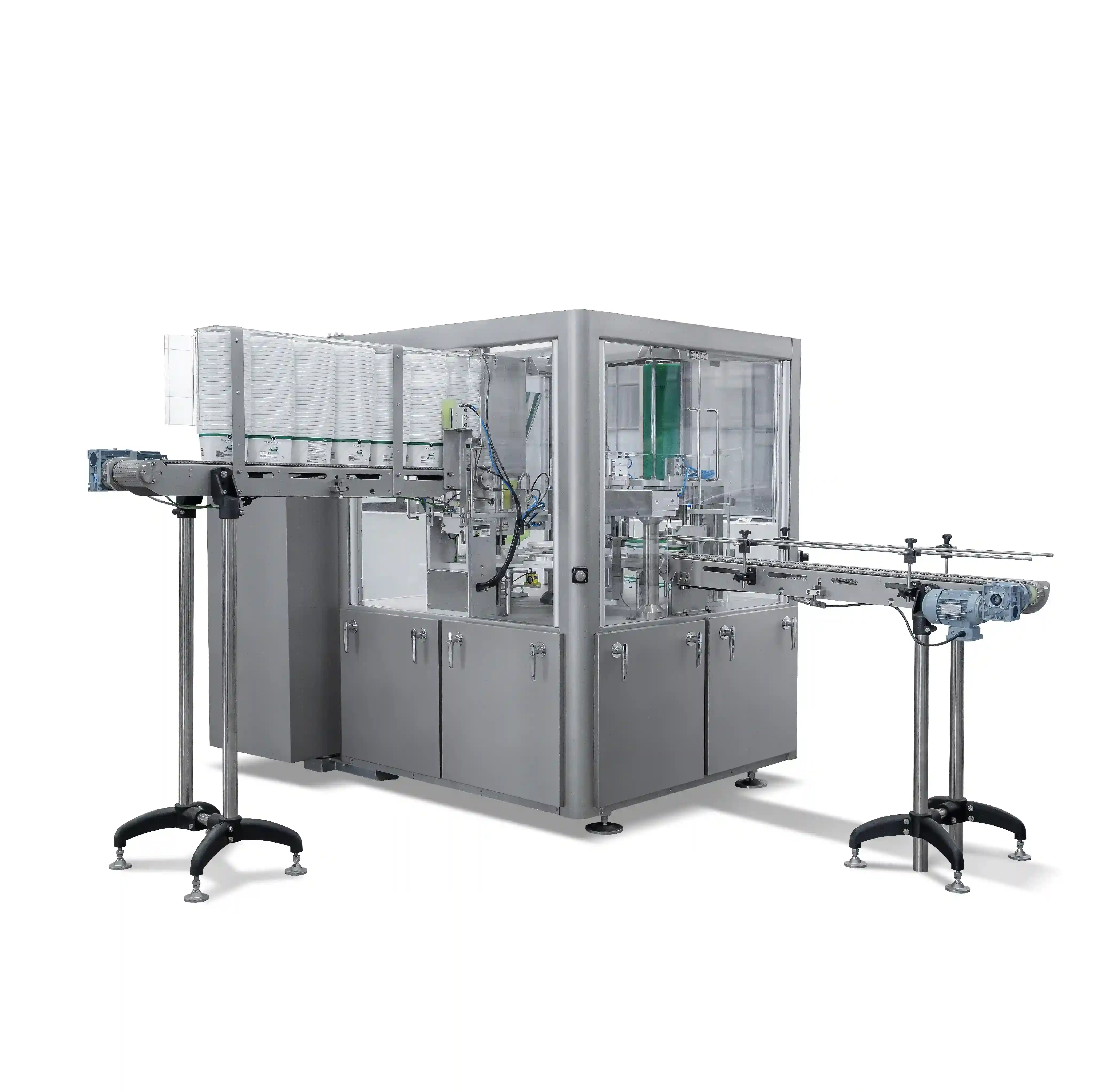
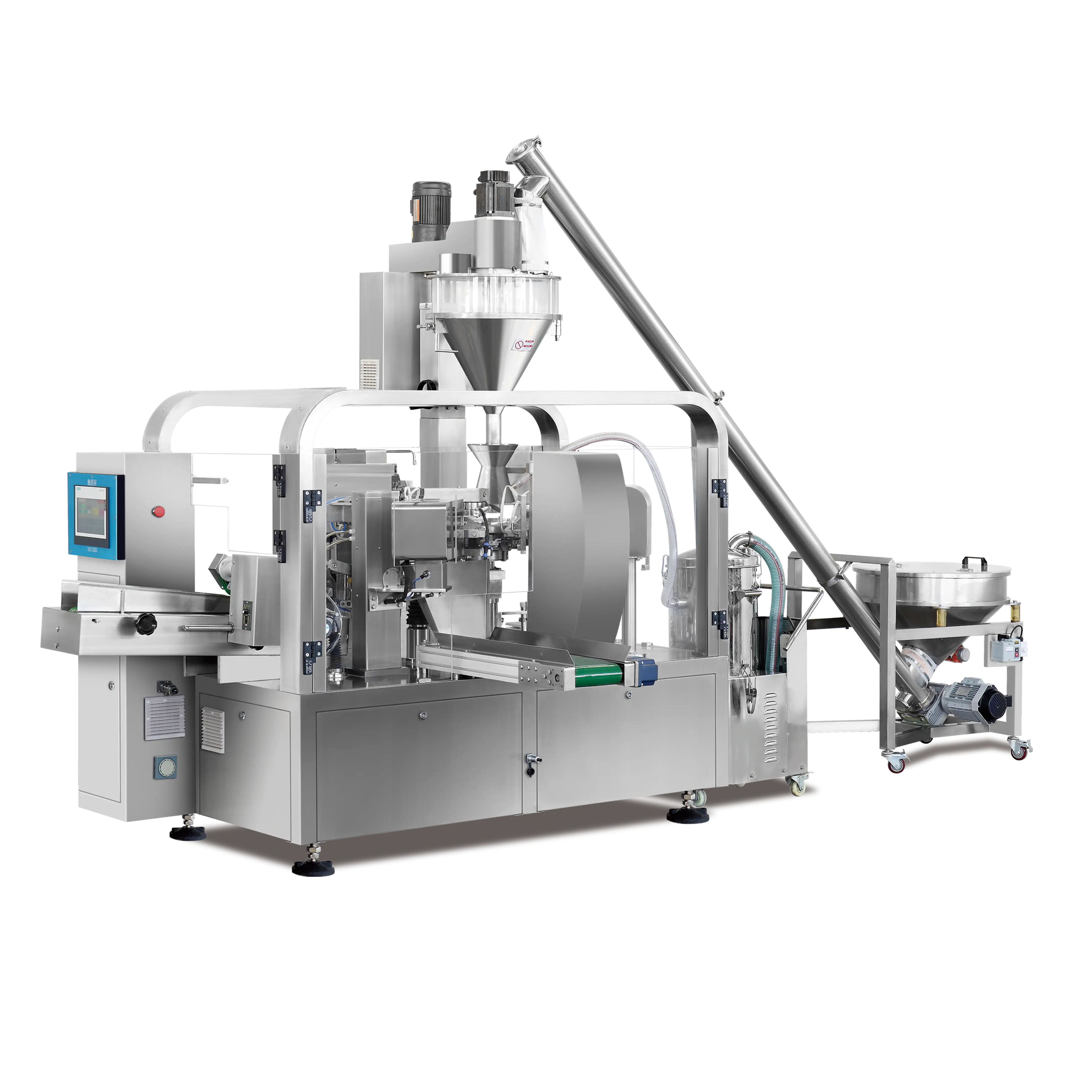
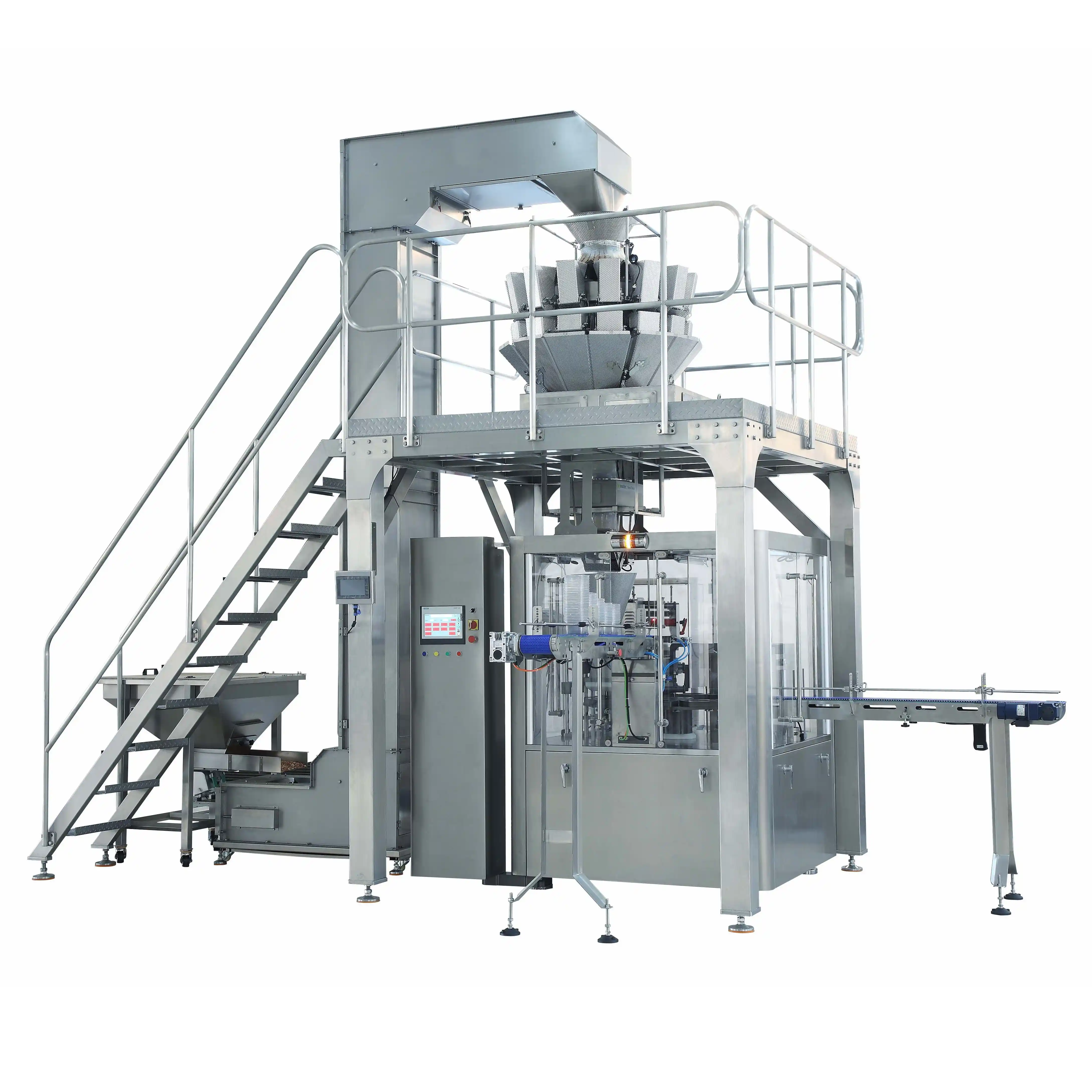
The Circular Cup Filler is a cup-based dosing option for packaging processes that use volumetric measurement. It is intended for projects where the product’s physical behavior, target portion, package format, and position in the line need to be considered together. Rather than treating every material or pack as identical, the CF Series provides documented cup configurations that give a practical starting point for a filling discussion. The Circular Cup Filler can be considered alongside upstream product supply, pouch handling, receiving containers, and downstream sealing equipment.
CF Series Configurations
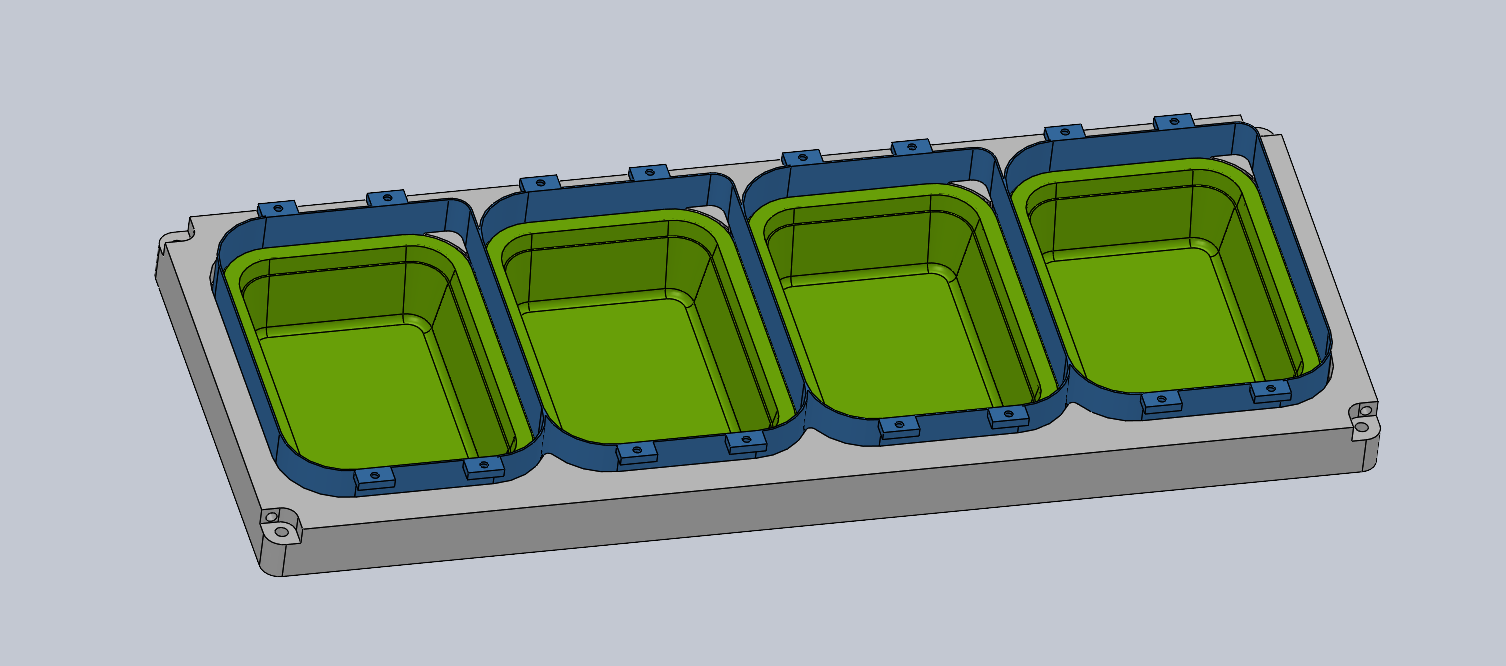
The documented CF Series includes six configurations: CF65-1600A, CF65-1950, CF65-1650, CF86-1700, CF120-1900, and CF150-2200. These model names identify the configurations available in the supplied product information. The Circular Cup Filler range uses cup outer diameters from 65 mm to 150 mm and cup inner diameters from 46 mm to 125 mm. Documented cup counts range from 32 to 59, depending on the configuration.
| Model |
Outer cup diameter |
Inner cup diameter |
Cup count |
| CF65-1600A |
65 mm |
46 mm |
49 |
| CF65-1950 |
65 mm |
46 mm |
59 |
| CF65-1650 |
65 mm |
46 mm |
49 |
| CF86-1700 |
86 mm |
60 mm |
38 |
| CF120-1900 |
120 mm |
95 mm |
32 |
| CF150-2200 |
150 mm |
125 mm |
34 |
These figures describe cup geometry and the number of cups in each documented configuration. They should not be read as a published filling-accuracy result, net-weight guarantee, or production-speed claim. In practice, the product being portioned and the intended package determine whether a given Circular Cup Filler configuration is appropriate.
Features That Support Configuration Discussions
Documented configuration choices
The listed models provide a documented range for early discussion. Product flow, package positioning, and transfer conditions guide the configuration conversation and help align the filler with adjoining packaging equipment in a complete line.
Volumetric measurement approach
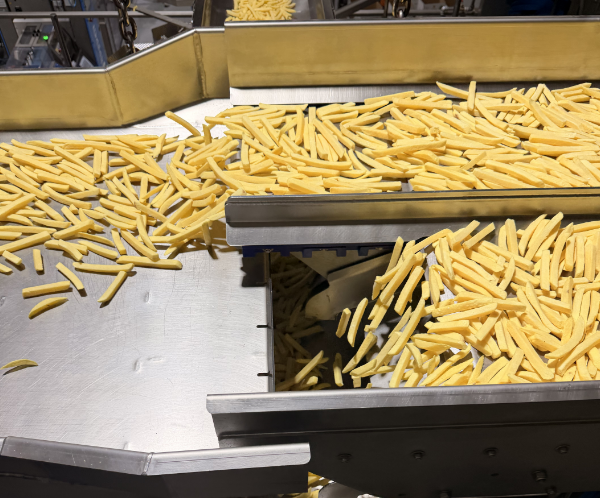
For materials suited to cup-based dosing, the Circular Cup Filler provides a straightforward volumetric concept. The measured cup is only one part of the result, however. Free-flowing products, materials that bridge, materials that clump, and products whose density changes can behave differently. That is why material behavior should be described early in the inquiry.
Line-aware integration
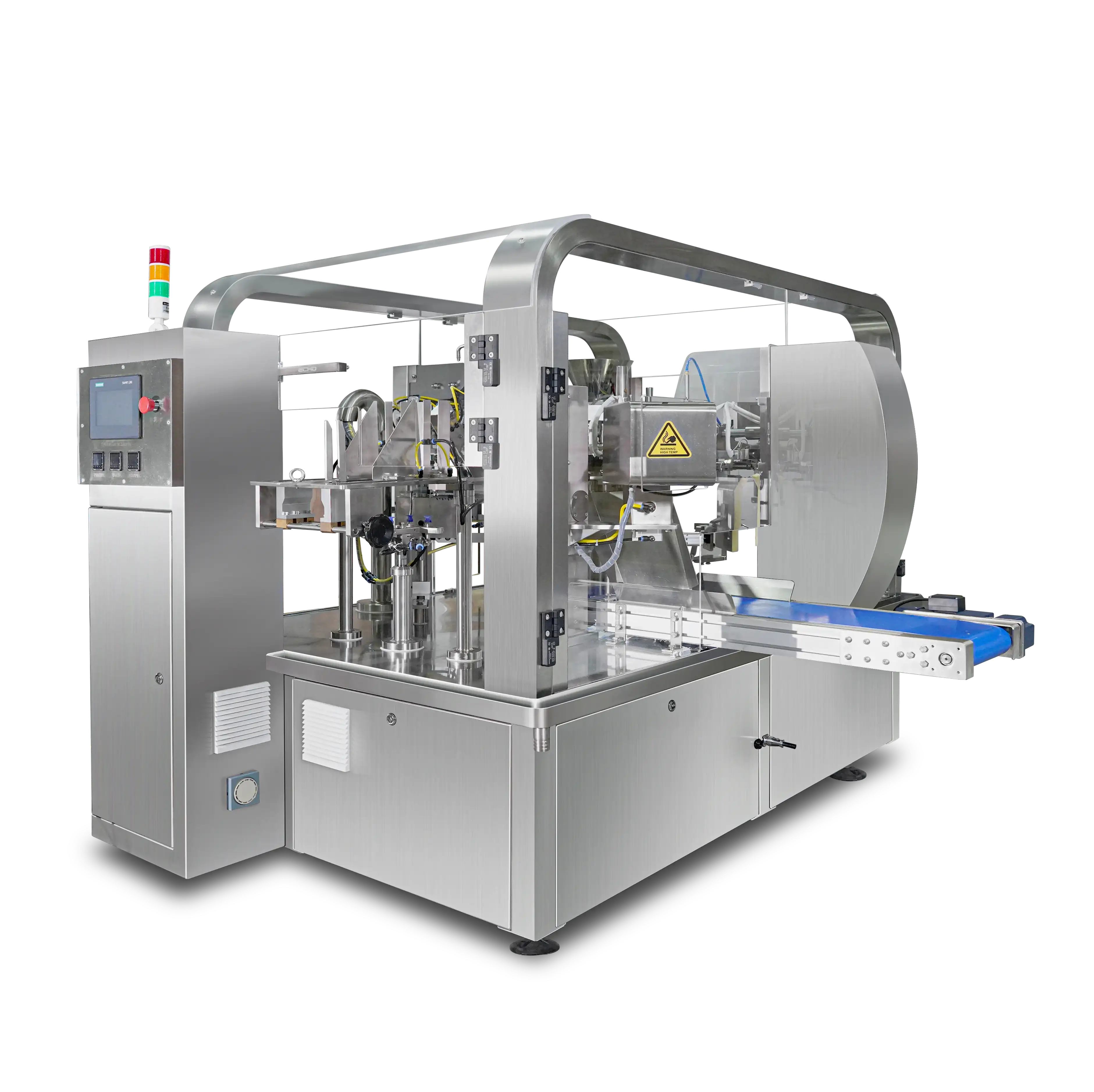
A Circular Cup Filler may be reviewed as part of a packaging line rather than as an isolated station. Product transfer, access around the machine, container or pouch positioning, and downstream sealing all influence how the filler is arranged. If a project combines dosing with form fill seal ffs equipment, the handoff from measured product to the next packaging operation should be considered as part of the line layout.
Practical configuration support
Selection discussions can include the available height, equipment position, changeover needs, and expected operating pattern. A Circular Cup Filler is more useful when the cup arrangement is considered with these everyday requirements. A cup dimension alone does not settle the entire application; it is one documented element in a broader packaging process.
Applications and Packaging Relationships
The Circular Cup Filler is relevant to packaging applications that call for volumetric portioning and a review of product flow. It can be positioned before a pouch, bag, or receiving-container operation when the material and package relationship is suitable. The right arrangement depends on the product’s consistency and the way the filled portion must be transferred into the package.
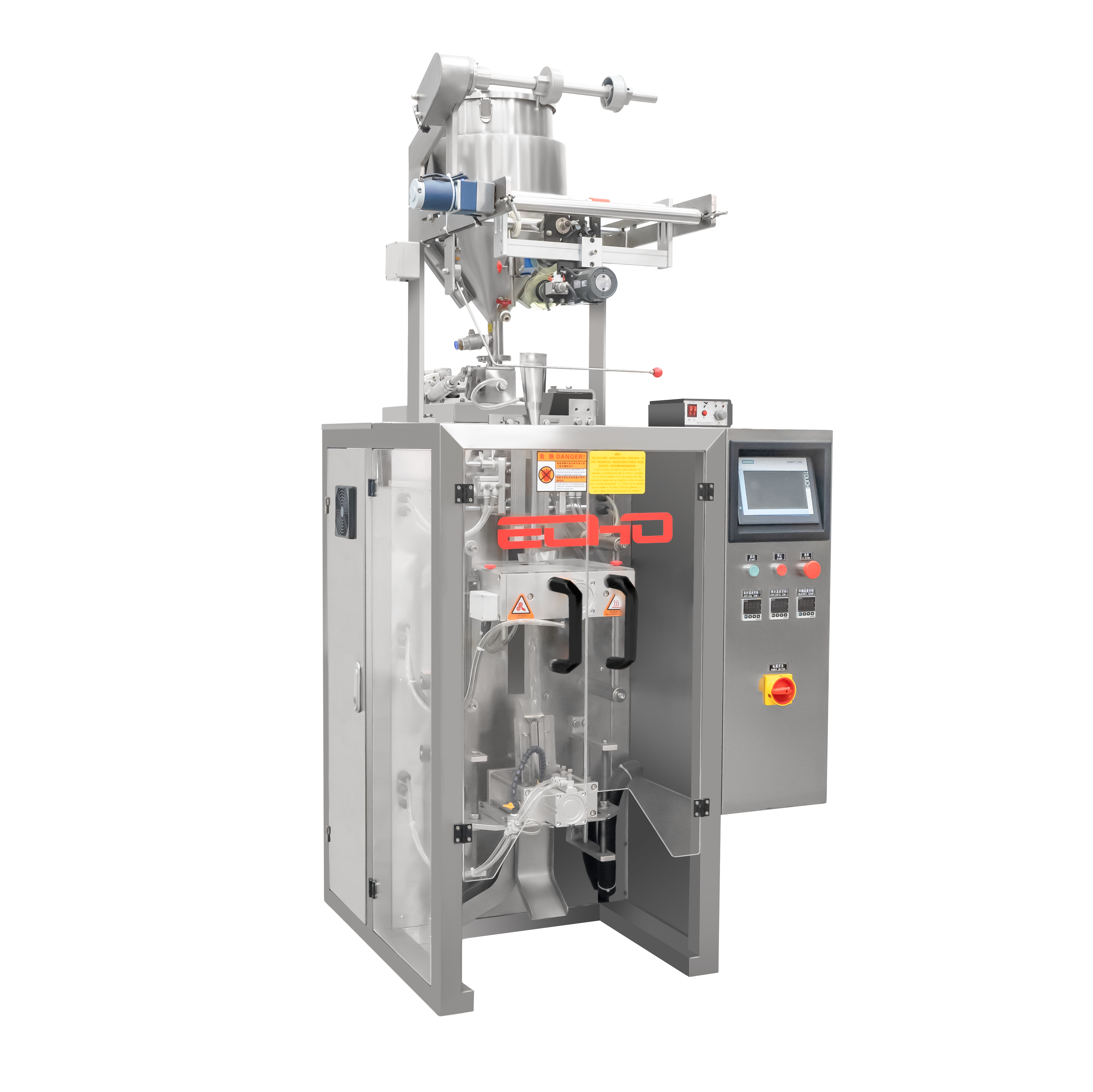
For a tea powder packing machine application, powder flow and the target dose should be discussed before choosing a cup configuration. Powder behavior can vary with density, particle characteristics, and handling conditions. The Circular Cup Filler provides a documented cup-based method to evaluate with the packaging format, while the final configuration should reflect the real product and intended pack.
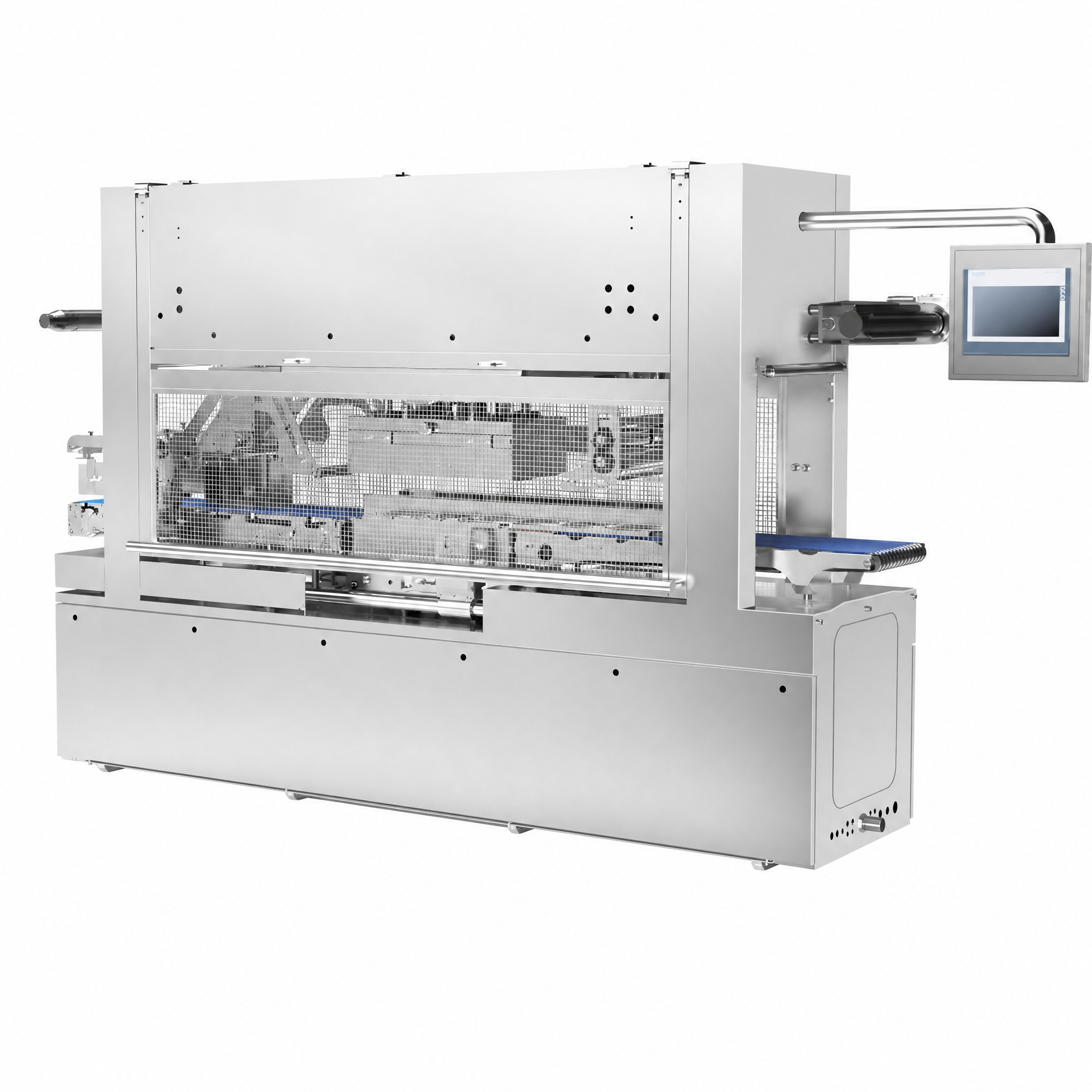
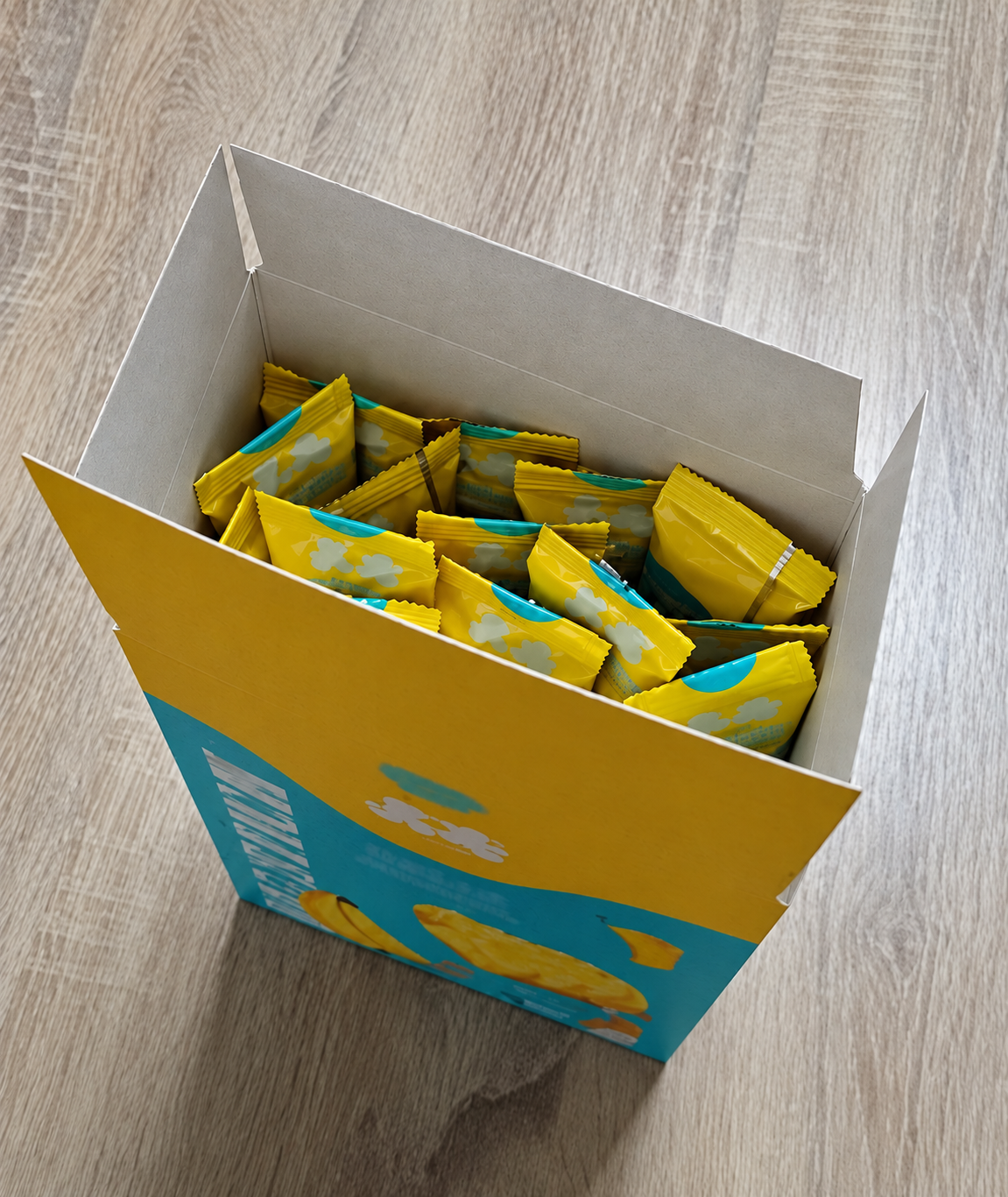
Projects involving carton packaging may also need to distinguish the filling task from subsequent handling. The Circular Cup Filler focuses on volumetric portioning; carton forming, loading, and closing are separate line functions that may require their own equipment and layout review. When a milk carton sealing machine is part of a wider project, the filler’s role and the downstream sealing relationship should be defined clearly so each station has an appropriate responsibility.
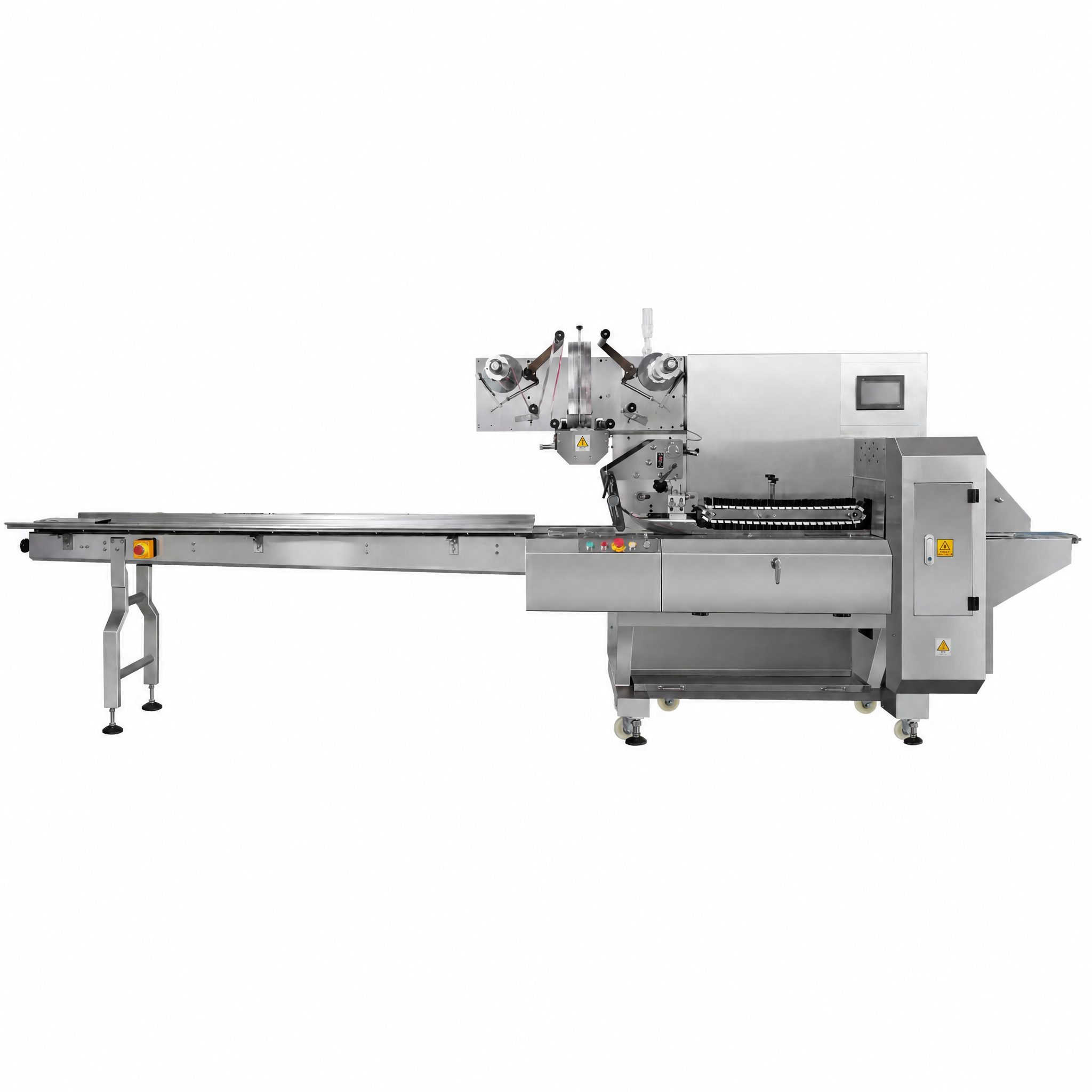
The same principle applies to form fill seal ffs lines. A Circular Cup Filler can be considered in relation to a forming, filling, or sealing sequence, but the line arrangement should be based on the actual package style, transfer path, and product behavior. Clear process information makes it easier to discuss a workable configuration without assuming that one cup size or layout fits every packaging application.
How to Review a Suitable Configuration
Begin with the product sample and the required amount in each package. Then identify the packaging format, available space, and the intended relationship between the filler and adjoining equipment. For a Circular Cup Filler, these inputs help determine which documented CF Series configuration should be explored further. The material’s tendency to flow freely, bridge, clump, or change density is especially important because it affects how a cup-based volume translates into a filled portion.
Next, review the receiving package and the transfer conditions. A pouch or container needs to be positioned so that the product can move from the filler into the pack as intended. The Circular Cup Filler can be discussed with upstream supply and downstream sealing, but the final arrangement should account for access, product transfer, and changeover requirements. In other words, a listed configuration is a useful starting point, while application details shape the final equipment discussion.
It is also helpful to share a line drawing, target pack format, and expected operating pattern. These details create a clearer basis for evaluating the Circular Cup Filler in the context of the full packaging process. They also help distinguish documented cup geometry from project-specific expectations that need application review.
Why Work With ECHO
ECHO offers packaging machinery projects that can consider filling, package handling, and downstream operations together. The supplied company information describes OEM and ODM packaging capabilities, delivery support, and after-sales maintenance support. For a Circular Cup Filler project, this can support a coordinated conversation about the filler’s place in the overall packaging arrangement.

 EN