CO2 Laser Coding Machine for Production-Line Marking
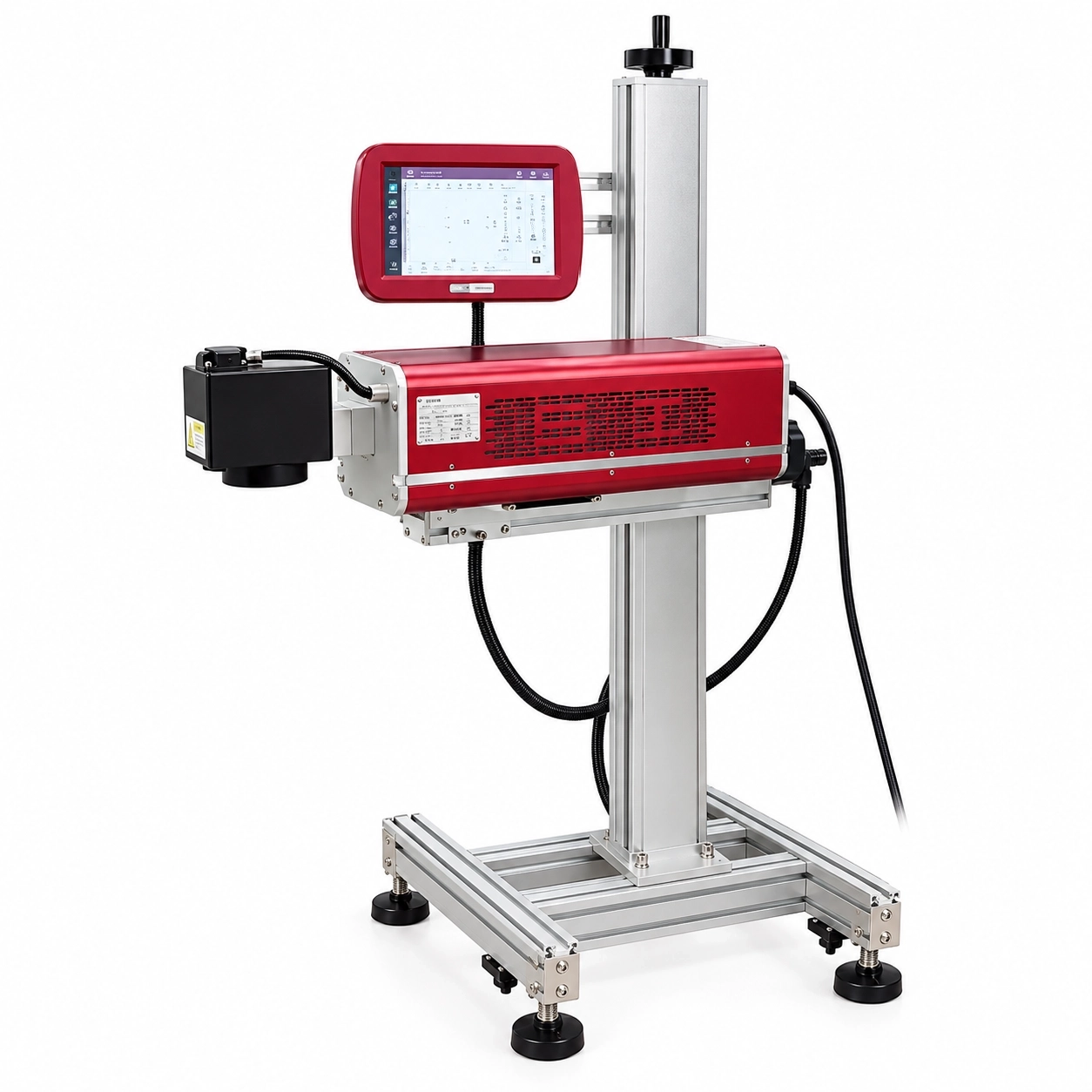
The CO2 Laser Coding Machine is designed for non-contact marking of production information on packaging and suitable product surfaces. It provides a defined point for adding variable information without a contact-printing head. The package is the practical starting point: its substrate, available marking area, movement through the line, and the information that must be marked. A CO2 Laser Coding Machine is therefore considered as part of the production flow rather than as an isolated finishing device. The intended code, mark position, and the way a package arrives at the coding area help shape the application discussion.
This CO2 Laser Coding Machine is offered with C130 and C150 model options. Both models are listed with 30 W laser energy and an unlimited number of printable lines. The published difference is in character rate and production-line speed. C130 is listed at 1,200 characters per second and 200 m/min, while C150 is listed at 1,500 characters per second and 300 m/min. These figures make the model comparison clear, but the coding task also depends on code content, mark size, available area, substrate response, and real line conditions. Published ratings are useful reference points for the intended package and production flow.
Published C130 and C150 Specifications
| Item |
C130 |
C150 |
| Laser energy |
30 W |
30 W |
| Characters per second |
1,200 |
1,500 |
| Production-line speed |
200 m/min |
300 m/min |
| Printable lines |
Unlimited |
Unlimited |
The table gives a direct view of the listed CO2 Laser Coding Machine specifications. C150 has the higher published character-per-second and line-speed figures, while both versions share the stated 30 W laser energy. Both models also list unlimited printable lines. That listing does not mean an unlimited amount of text can be applied at every speed or on every material. The intended code, usable marking window, line movement, and package presentation should be considered together. This keeps the published figures connected to the actual marking task without extending them into an unsupported result.
Features for Packaging-Line Coding
-
Non-contact marking: The CO2 Laser Coding Machine is intended to mark packaging or suitable product surfaces without a contact-printing head.
-
Two documented models: C130 and C150 provide a comparison point for published character rate and line speed.
-
30 W listed laser energy: Both supplied model descriptions list 30 W.
-
Line-position planning: The coding location can be assessed near a conveyor, packaging machine, or another suitable stage with repeatable surface presentation.
-
Application-led selection: Substrate, desired code, marking location, and actual running speed give the coding discussion useful context.
A listed speed is helpful when comparing models, but speed is not the only throughput factor. With a CO2 Laser Coding Machine, each package needs to reach the coding area consistently and present a suitable surface for the required mark. Continuous movement and intermittent movement can create different timing conditions. A short date code and a larger information set can also place different demands on the usable marking area. These operating considerations add practical meaning to the published figures without changing their stated values.
Packaging-Line Uses
Packaging identification
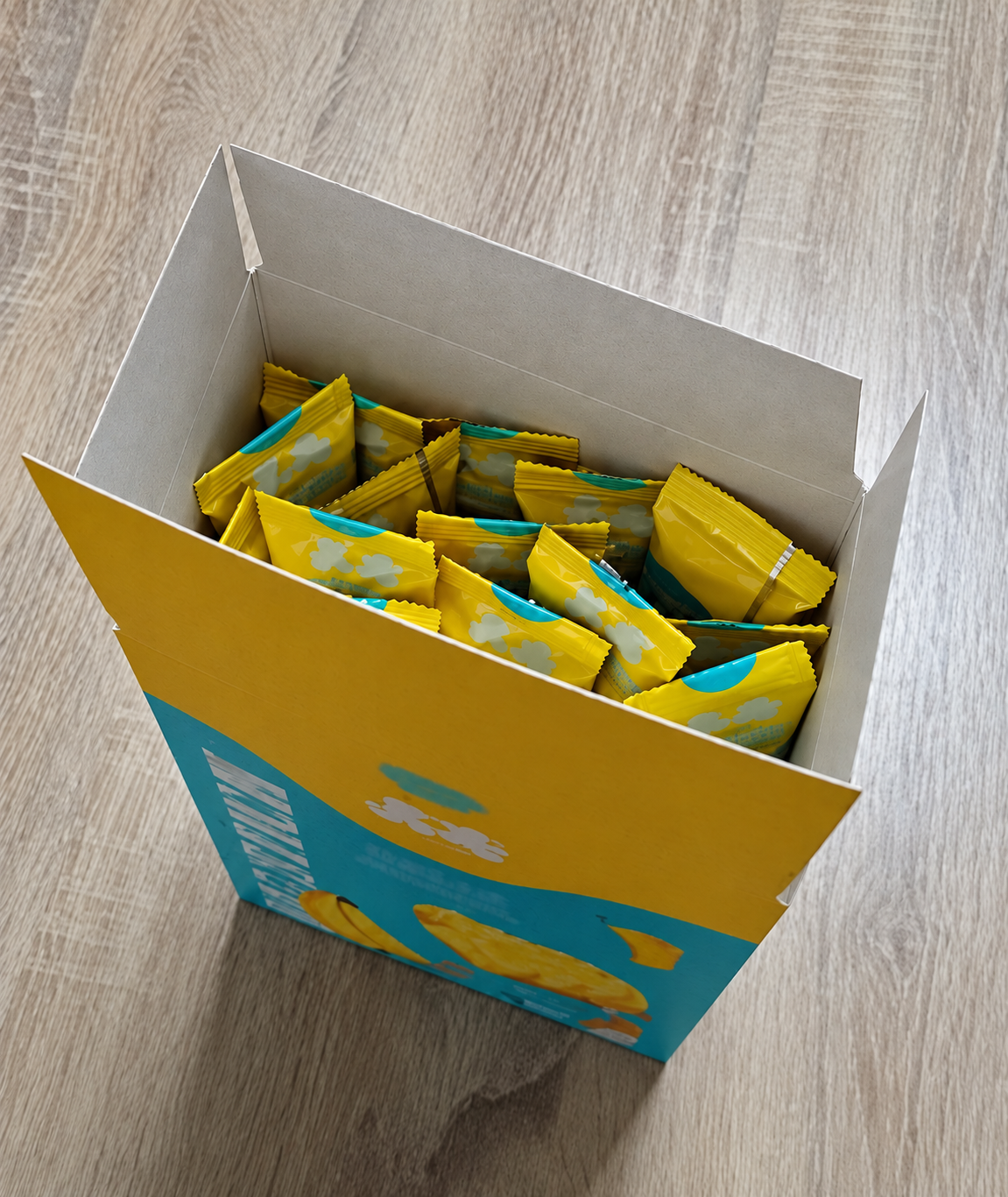
A CO2 Laser Coding Machine can be considered where production information needs to be marked on packaging at a defined point in the line. The exact content should fit the process, available area, and material used. The code position is most useful when the surface is accessible and passes through the coding zone consistently. This keeps the discussion focused on the packaging material, requested information, and line movement.
Conveyor-based movement
Where packages move on a conveyor, the CO2 Laser Coding Machine can be assessed alongside the available layout and marking window. The published C130 and C150 speed figures provide a starting comparison. Actual running speed, spacing, package orientation, and movement stability should be reviewed for the intended operation. A higher stated speed does not by itself demonstrate a usable marking result; package presentation and substrate behavior remain important. C150 may be relevant where its higher published rating aligns with the defined task, whereas C130 remains a documented option for its own listed operating range.
Packaging-equipment integration
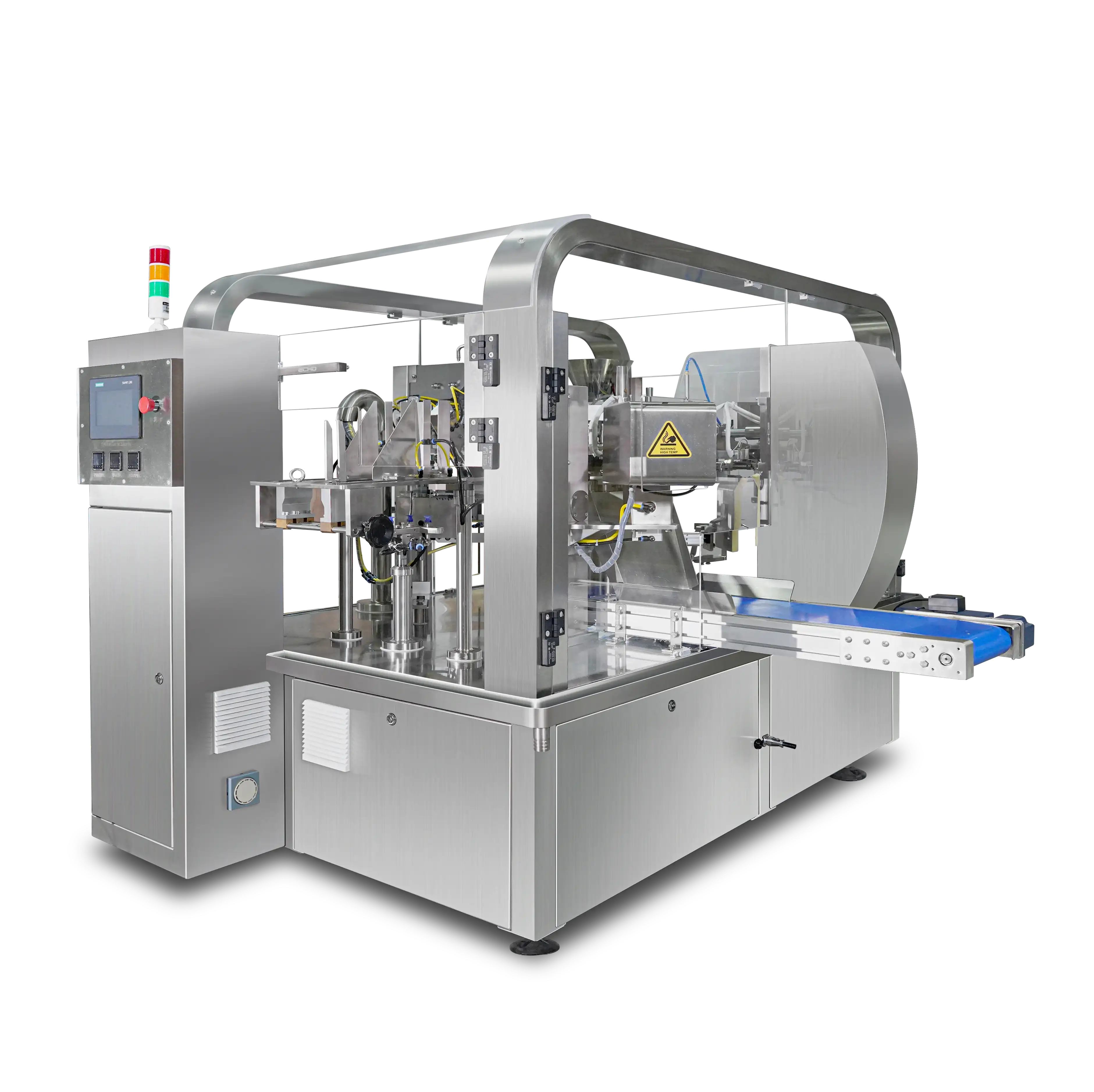
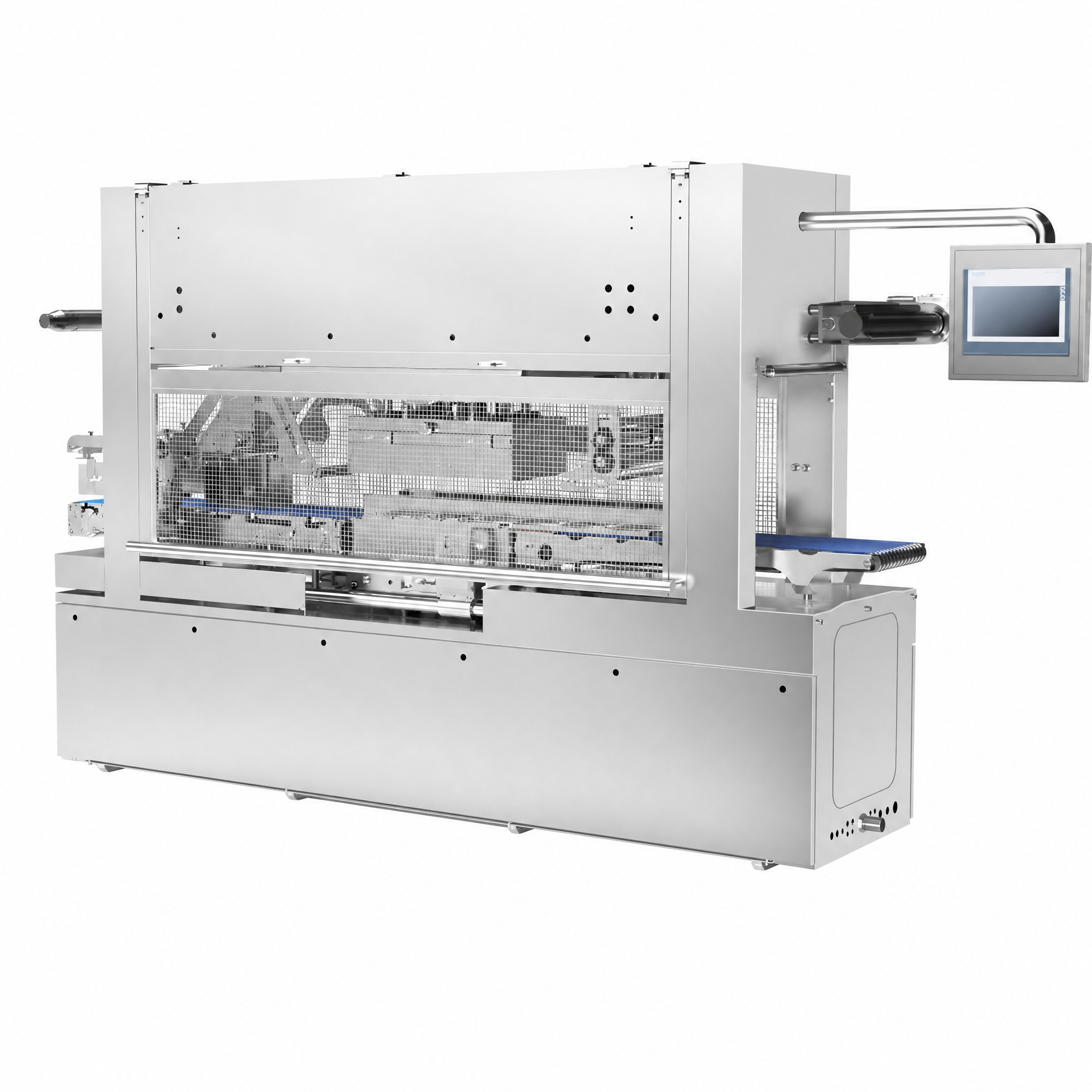
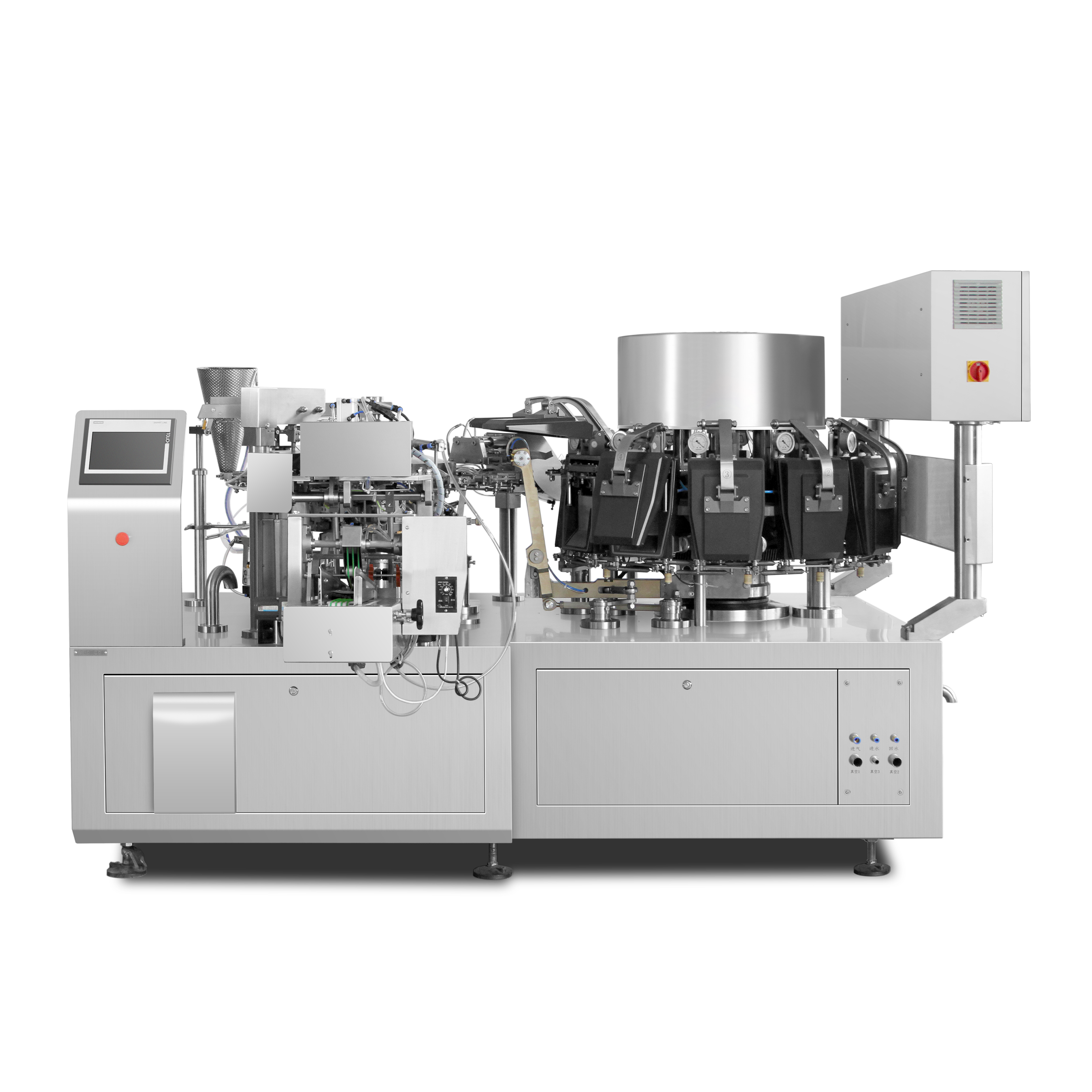
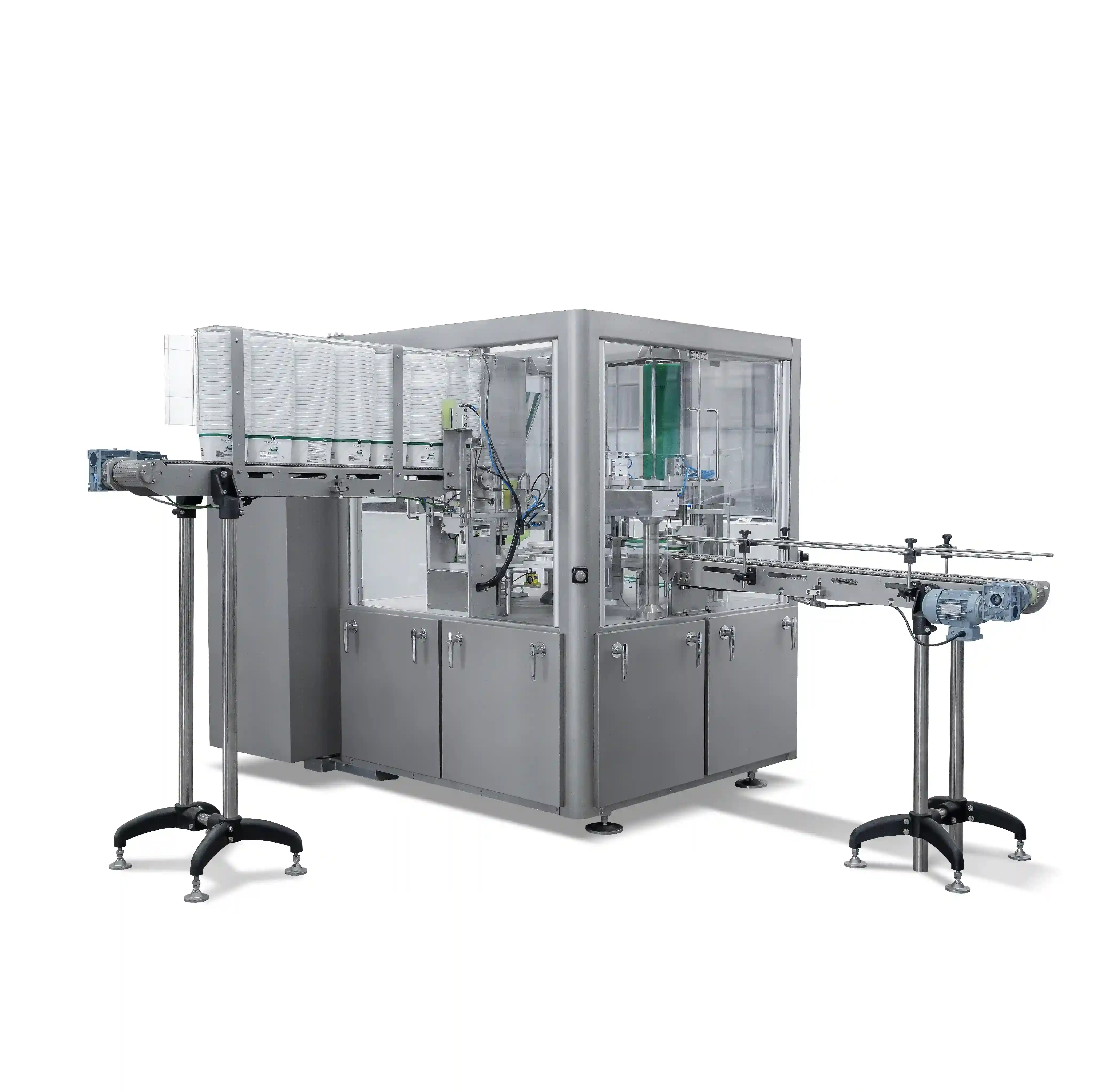
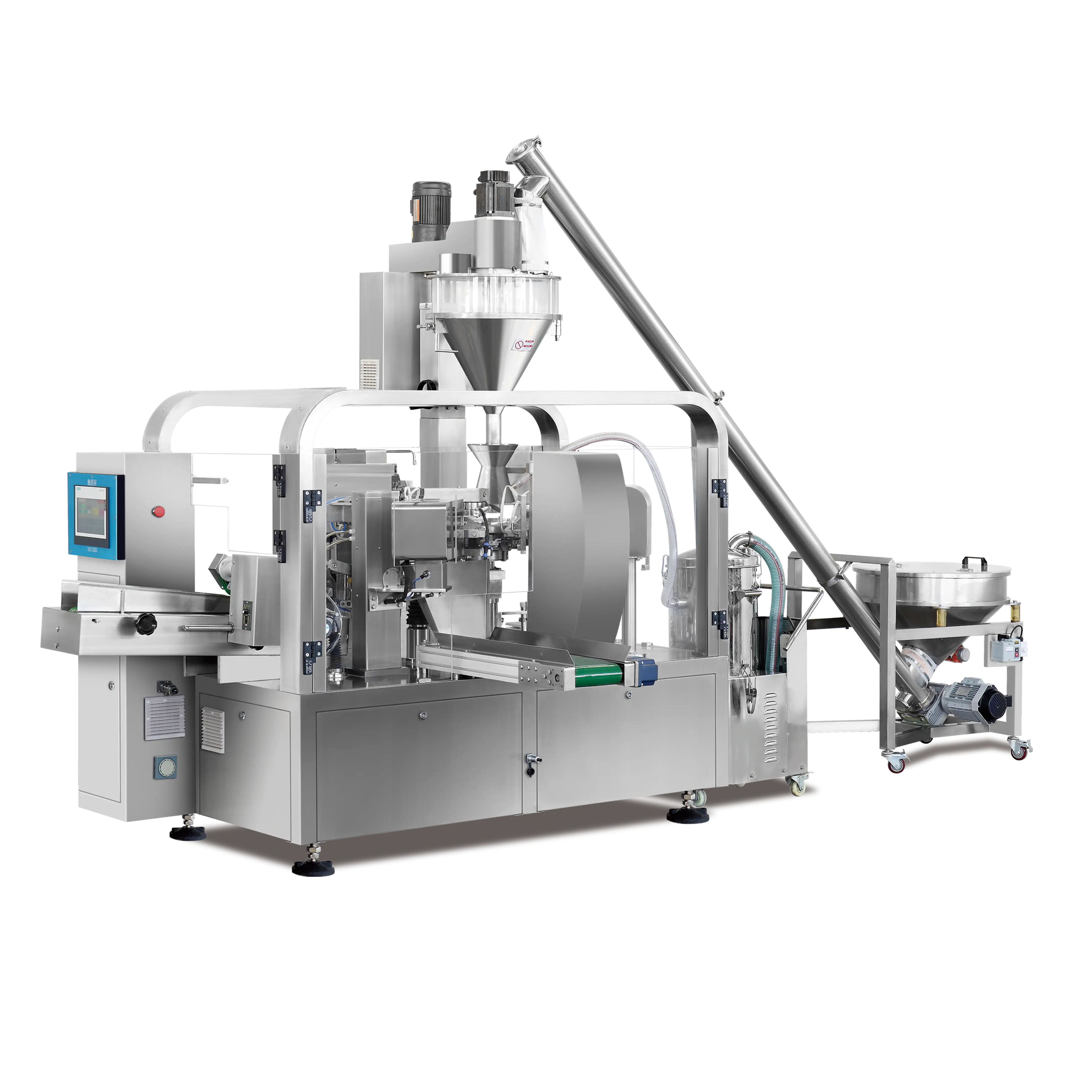
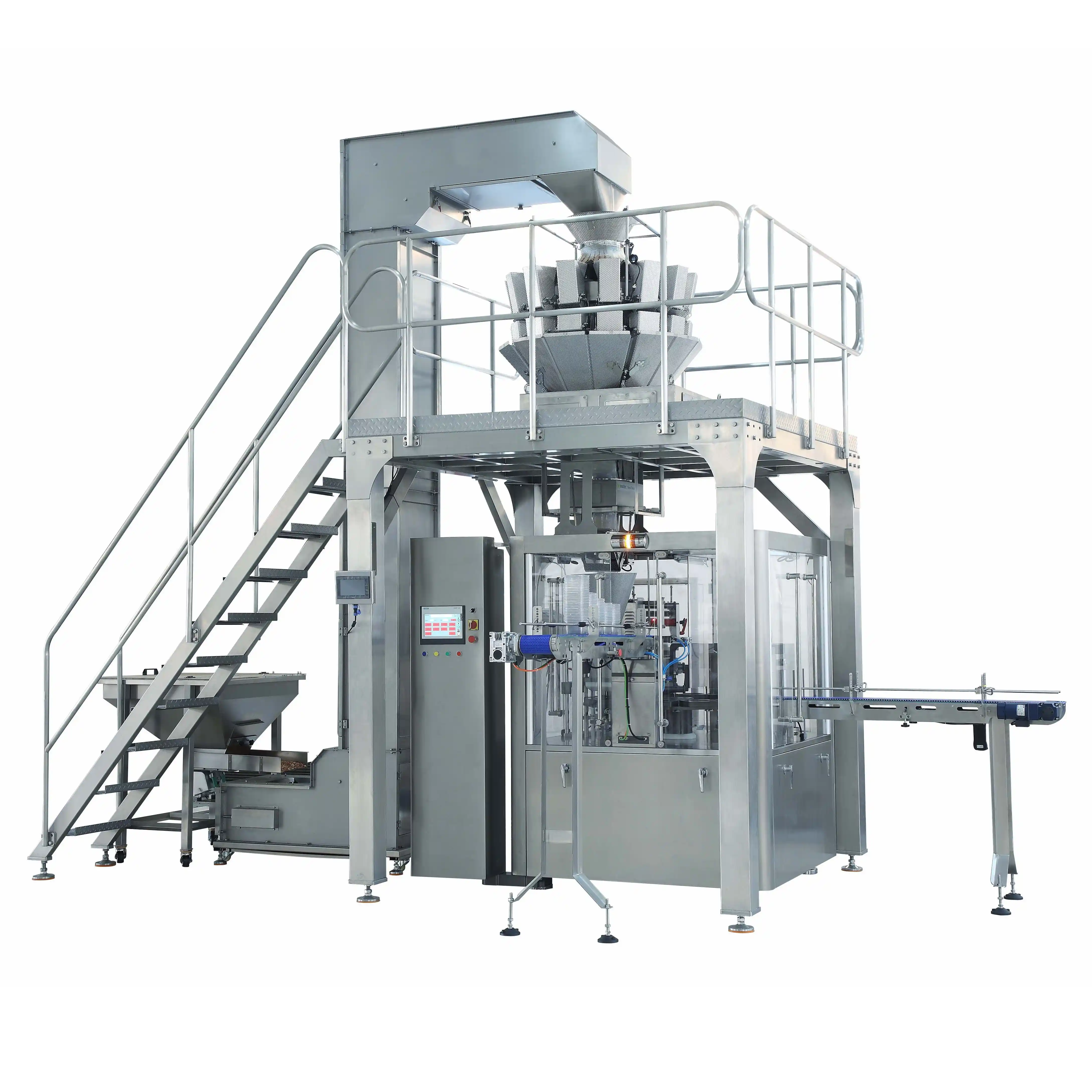
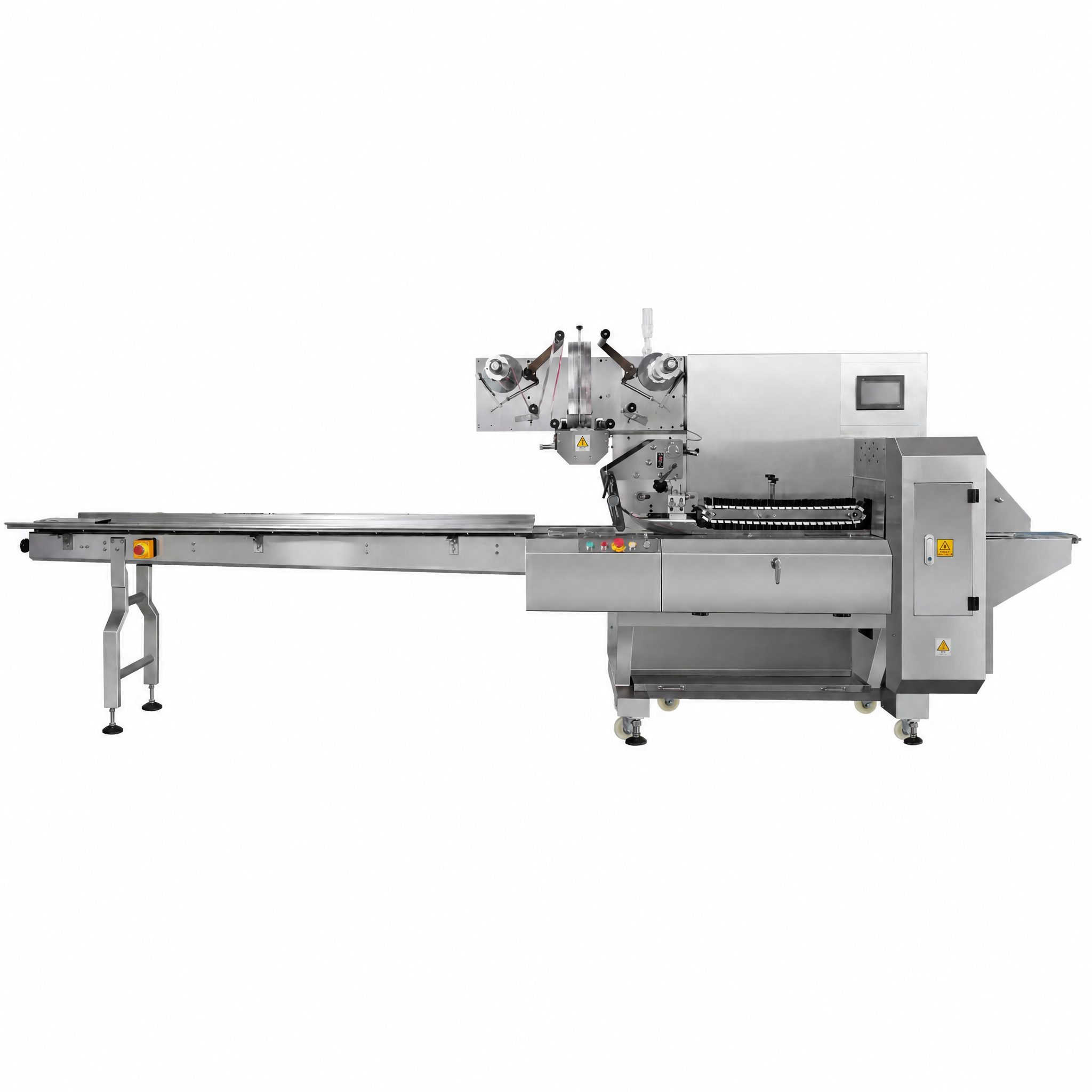
The CO2 Laser Coding Machine may be reviewed near a packaging machine or another production stage where the mark location is repeatable. A rotary pouch filler, tray forming machine, or front and back labeling machine may be part of a broader packaging process, but none of these machines is described as a supplied function or configuration of this coding machine. For the coding application, the relevant details remain the package material, code requirement, line movement, and physical location for marking.
Comparing the C130 and C150 Options
For a CO2 Laser Coding Machine application, begin with the information to be marked and package conditions instead of selecting solely from a nominal line-speed figure. C130 is listed at 1,200 characters per second and 200 m/min. C150 is listed at 1,500 characters per second and 300 m/min. Both are listed at 30 W. The contrast becomes meaningful when the line task, code content, and package presentation have been defined. The stated figures can then be discussed against the available marking window and actual pace of the production line.
Material response to laser marking is also important. Packaging substrates can respond differently to laser energy, and visible results depend on the material and requested appearance. A representative package sample and intended code provide a useful basis for discussing contrast and readability. This is a normal part of aligning a CO2 Laser Coding Machine with an actual package and operating condition.
Information for a Coding Inquiry
To discuss a CO2 Laser Coding Machine for a specific line, provide the packaging substrate, text or graphics to be marked, proposed marking location, and actual operating speed. It is also useful to note whether the package moves continuously or pauses at intervals, and whether the marking surface reaches the coding area in a consistent position. These details help relate the C130 and C150 specifications to the intended process.
For connected packaging equipment, line layout and operator access also matter. The coding position should allow the package surface to be presented reliably while leaving suitable access for normal operation. ECHO focuses on packaging machinery and can discuss product customization, delivery, and after-sales maintenance needs in relation to the overall packaging process. The supplied information supports a conversation about the coding task and documented model specifications.
Frequently Asked Questions
What is the published difference between C130 and C150?
Both models are listed with 30 W laser energy and unlimited printable lines. C130 is listed at 1,200 characters per second and 200 m/min, while C150 is listed at 1,500 characters per second and 300 m/min.
Will every packaging material produce the same result?
No. The appearance and readability of a laser mark depend on the packaging substrate, desired code, marking area, and process conditions. Reviewing a representative sample is useful before confirming the application.
What should be provided for an application discussion?
Please provide the package material, code or artwork to be marked, intended marking location, and actual production-line speed. These details help relate the CO2 Laser Coding Machine to the specific production task.

 EN