 EN
How to Reduce Film Waste with a Premade Pouch Packaging Machine?
2026/09/20
Premade Pouch Machines: Reduce Film Waste, Cut TCO & Achieve Faster ROI

2026/09/28
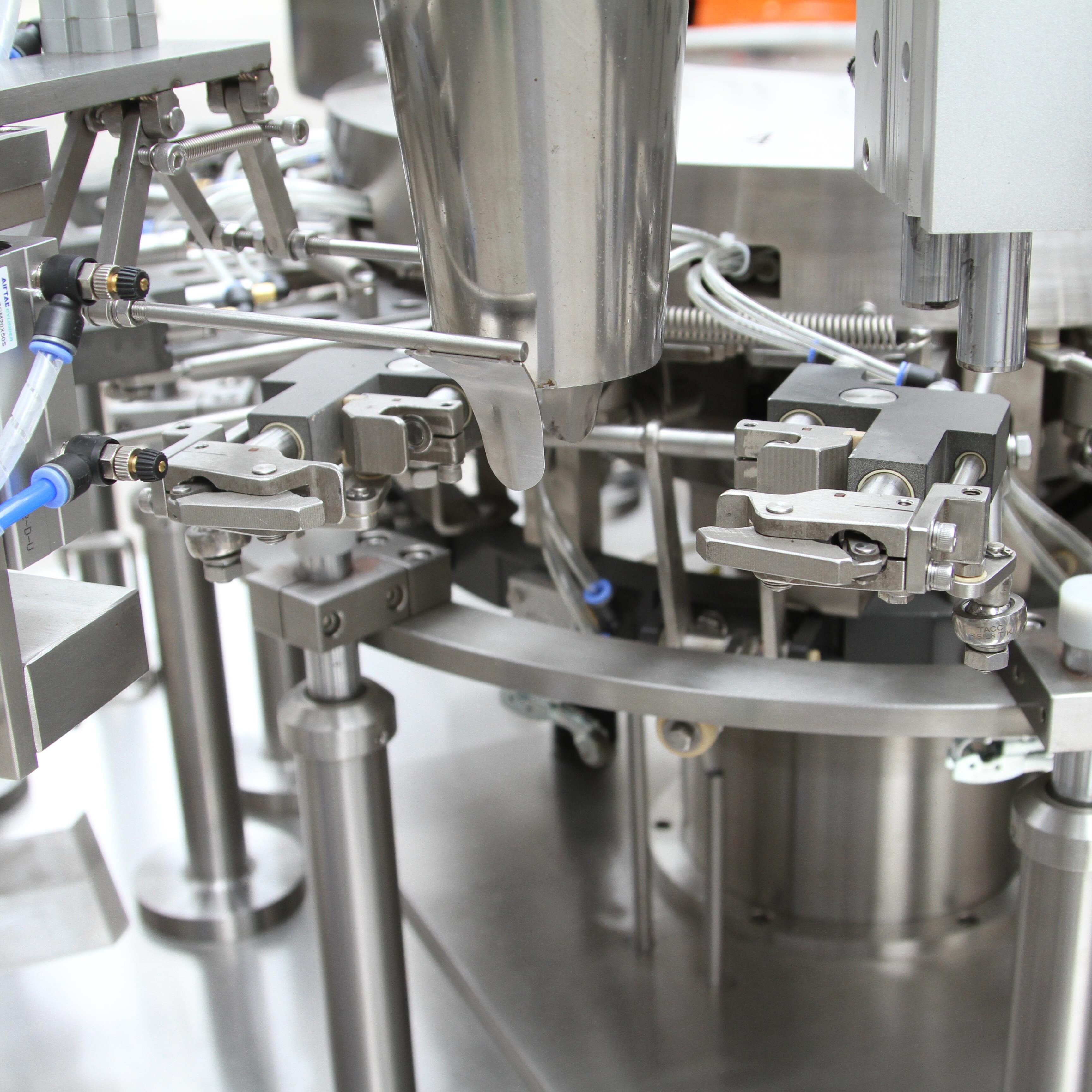
Dairy brands face intense pressure to deliver products efficiently while maintaining quality and safety standards. The choice of packaging equipment directly impacts production speed, product integrity, and operational costs. A rotary pouch packing machine has become the preferred solution for many dairy manufacturers worldwide, offering a combination of speed, precision, and reliability that traditional packaging methods simply cannot match. Understanding why a rotary pouch packing machine appeals to dairy producers reveals critical insights into modern dairy packaging strategy and competitive advantage.
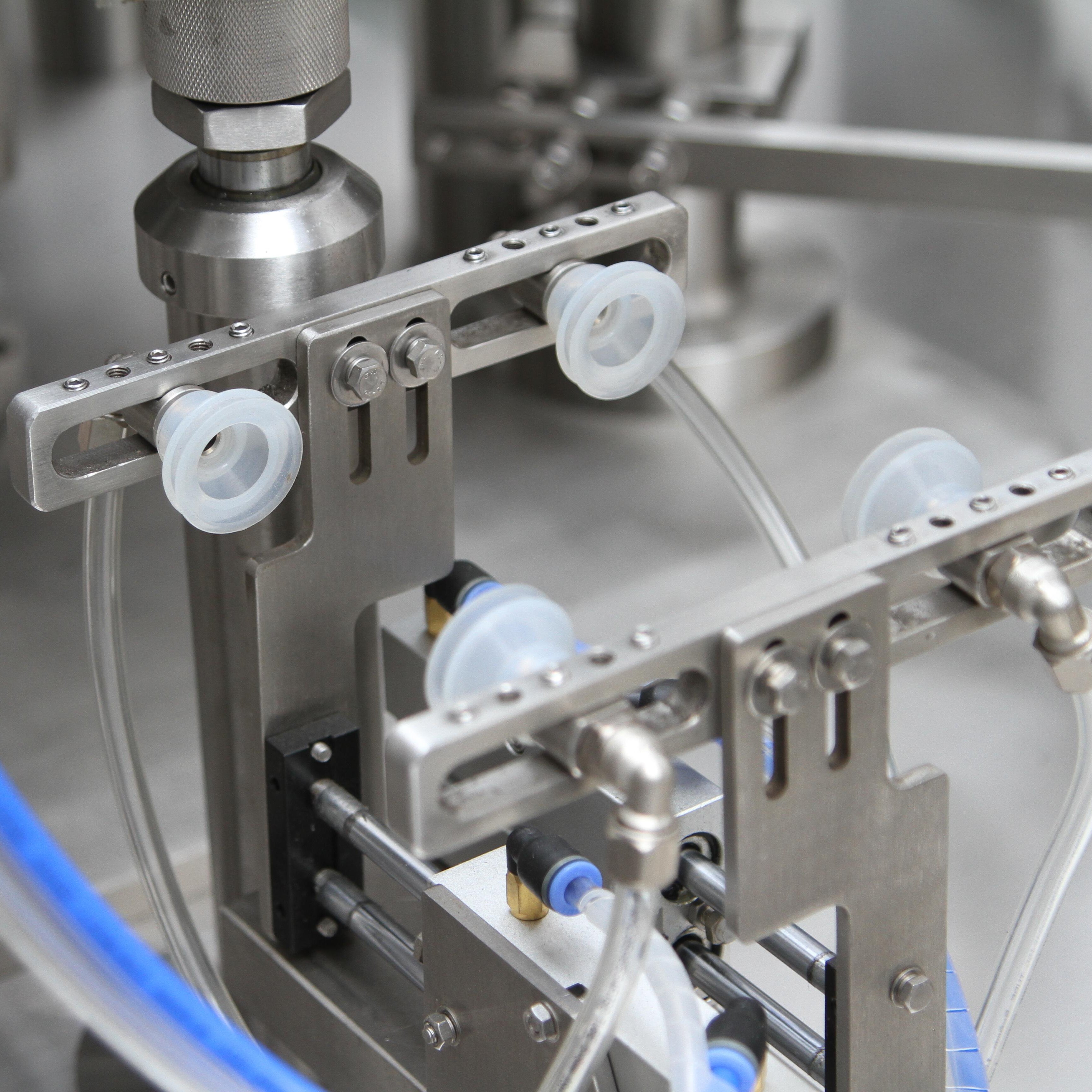
The dairy industry demands packaging solutions that balance speed with product protection, cost efficiency with quality assurance, and flexibility with precision. A rotary pouch packing machine addresses all these requirements simultaneously. Unlike slower linear systems or outdated filling methods, a rotary pouch packing machine operates on a carousel principle, enabling multiple packaging operations to occur in parallel, dramatically reducing cycle time per unit. This efficiency gain translates directly to higher throughput, lower per-unit packaging costs, and improved market responsiveness for dairy brands managing demanding retail schedules.
A rotary pouch packing machine operates using a rotating carousel design where multiple filling, sealing, and finishing stations work simultaneously around a central hub. Unlike sequential linear systems that complete one package at a time, a rotary pouch packing machine enables parallel processing, meaning while one station fills a pouch, another seals a previously filled pouch, and a third applies quality labels. This multi-station approach allows a rotary pouch packing machine to achieve output rates ranging from 40 to 200 pouches per minute, depending on machine specifications and product viscosity. Dairy brands producing milk, yogurt, cream, or liquid nutritional products benefit enormously from the continuous-motion efficiency of a rotary pouch packing machine.
The speed advantage of a rotary pouch packing machine directly impacts production planning and market agility. Dairy manufacturers can meet retail demand windows with tighter production schedules, reduce inventory holding costs, and respond quickly to seasonal demand fluctuations. For products with limited shelf life, like fresh milk or yogurt, the ability to produce larger volumes in shorter timeframes using a rotary pouch packing machine means fresher products reach shelves faster, improving customer satisfaction and reducing waste-related losses.
A rotary pouch packing machine is engineered for continuous operation with minimal setup time between product changes. Quick-change components, such as filling nozzles, sealing dies, and guide rails, allow operators to switch between different pouch sizes or product types within minutes rather than hours. This flexibility is critical for dairy manufacturers producing multiple SKUs from the same production line. When a rotary pouch packing machine transitions between tasks efficiently, total production time remains optimized, and manufacturers avoid costly production delays that plague less adaptable equipment.
Dairy consumers expect consistent product weight, proper fill levels, and tamper-evident packaging every single time they purchase. A rotary pouch packing machine delivers this consistency through advanced volumetric or weight-based filling systems that dispense precise quantities into each pouch. Modern rotary pouch packing machine models integrate load cells, flow meters, and real-time feedback sensors that continuously verify fill accuracy, automatically adjusting to compensate for product viscosity changes or temperature fluctuations. This precision prevents both underfilling, which invites regulatory scrutiny and customer complaints, and overfilling, which erodes profit margins.
The consistency provided by a rotary pouch packing machine extends beyond volume accuracy. Pouch sealing quality is equally critical—weak seals lead to leaks, product spoilage, and customer dissatisfaction. A rotary pouch packing machine employs heated sealing bars with precise temperature control and dwell-time optimization, creating hermetic seals that protect dairy products throughout distribution and storage. The result is fewer damaged units in retail channels, reduced customer returns, and stronger brand reputation.
Product waste during packaging represents a significant hidden cost in dairy manufacturing. When filling accuracy is poor, or seals fail post-production, waste accumulates quickly. A rotary pouch packing machine minimizes waste through precision filling and reliable sealing, ensuring nearly every pouch meets quality specifications on the first attempt. Additionally, a rotary pouch packing machine optimizes material usage by precisely controlling pouch fill levels, avoiding excessive spillage or material loss that occurs with manual or unreliable automated systems. For high-volume dairy producers, even small improvements in fill accuracy compound into substantial cost savings over monthly or annual production cycles.
Dairy products range from thin liquids like milk to thick products like yogurt, cream, or butter-based preparations. A rotary pouch packing machine accommodates this diversity through adjustable filling mechanisms, variable speed settings, and specialized nozzle designs. The same rotary pouch packing machine can fill low-viscosity milk at maximum speed during morning production runs, then switch to slower, more controlled filling for thicker yogurt during afternoon shifts. This adaptability allows dairy manufacturers to consolidate packaging operations onto fewer machines, reducing capital expenditure and operational complexity.
The versatility of a rotary pouch packing machine extends to pouch format compatibility. Manufacturers can package products into stand-up pouches, flat pouches, or shaped pouches without requiring entirely different machines. This flexibility enables dairy brands to respond quickly to consumer preferences for different packaging formats, test new products in market-specific pouch sizes, and maintain competitive positioning without substantial capital reinvestment.
Modern rotary pouch packing machine systems are designed with modular architecture that integrates seamlessly into existing dairy production facilities. A rotary pouch packing machine connects to upstream processing equipment like pasteurizers, coolers, and holding tanks, and to downstream systems like conveyor lines, metal detectors, and case packers. This integration capability means dairy manufacturers can upgrade packaging operations without wholesale facility redesigns. Additionally, many rotary pouch packing machine manufacturers offer compatibility with Industry 4.0 standards, enabling data collection, predictive maintenance alerts, and production analytics that optimize overall facility performance.
While a rotary pouch packing machine requires significant upfront capital investment, the per-unit cost of packaging decreases dramatically as production volume increases. The high throughput of a rotary pouch packing machine amortizes the equipment cost across larger product quantities, making the cost per pouch substantially lower than slower packaging methods. For dairy manufacturers producing millions of units annually, investing in a rotary pouch packing machine typically pays back within 18 to 36 months through reduced labor costs, decreased product waste, and improved production efficiency. After the payback period, the equipment generates positive cash flow for years, making it a financially sound decision for growing dairy brands.
Labor cost reduction is another significant financial advantage of a rotary pouch packing machine. Unlike manual or semi-automated packaging, a rotary pouch packing machine requires minimal operator intervention during steady-state production. One or two technicians can oversee multiple machines, monitoring performance and conducting routine maintenance, rather than dedicating teams to each packaging station. This labor efficiency is particularly valuable in regions where labor costs are rising or skilled packaging operators are difficult to recruit.
Dairy businesses rarely remain static—successful brands grow, expand into new markets, and increase production volumes. A rotary pouch packing machine offers scalability that growing dairy manufacturers require. Producers can upgrade to higher-speed versions of the same rotary pouch packing machine model, add additional machines to production lines in parallel, or reconfigure existing equipment as demand evolves. This scalability means the initial packaging investment in a rotary pouch packing machine adapts to changing business needs without becoming obsolete.
A rotary pouch packing machine uses a carousel design where multiple stations operate simultaneously on different pouches, creating parallel processing. Linear systems complete one package at a time sequentially. This parallel multi-station approach of a rotary pouch packing machine delivers 2–4 times higher throughput than comparable linear equipment, enabling dairy manufacturers to produce more pouches per hour with fewer machines.
Yes, a rotary pouch packing machine features adjustable filling mechanisms, variable speed controls, and interchangeable nozzles that accommodate products ranging from thin milk to thick yogurt or cream. The versatility of a rotary pouch packing machine allows dairy producers to switch between different product types with minimal setup time, making it ideal for manufacturers producing multiple dairy SKUs on a single production line.
A rotary pouch packing machine reduces per-unit packaging costs through high-speed production, minimizes product waste through precise filling, decreases labor requirements, and improves sealing reliability to reduce customer complaints. These factors combined typically generate return on investment within 18–36 months, after which the equipment continues delivering profitability through improved operational efficiency for many additional years.

2026/09/20
Premade Pouch Machines: Reduce Film Waste, Cut TCO & Achieve Faster ROI

2026/09/20
Cut Premade Pouch Machine Changeover Time by 40% with Proven Best Practices

2026/09/20
Premade Pouch Machines: Boost Throughput, Cut Waste & Improve ROI

2026/09/20
Rotary vs Inline Premade Pouch Machines: Speed, ROI & Scalability Compared

2026/09/20
Premade Pouch Machine: Boost Throughput, Cut Labor Costs & Improve Seal Integrity

2026/09/21
Premade Pouch Machine: Pouch Types, Materials & Filling Guide

