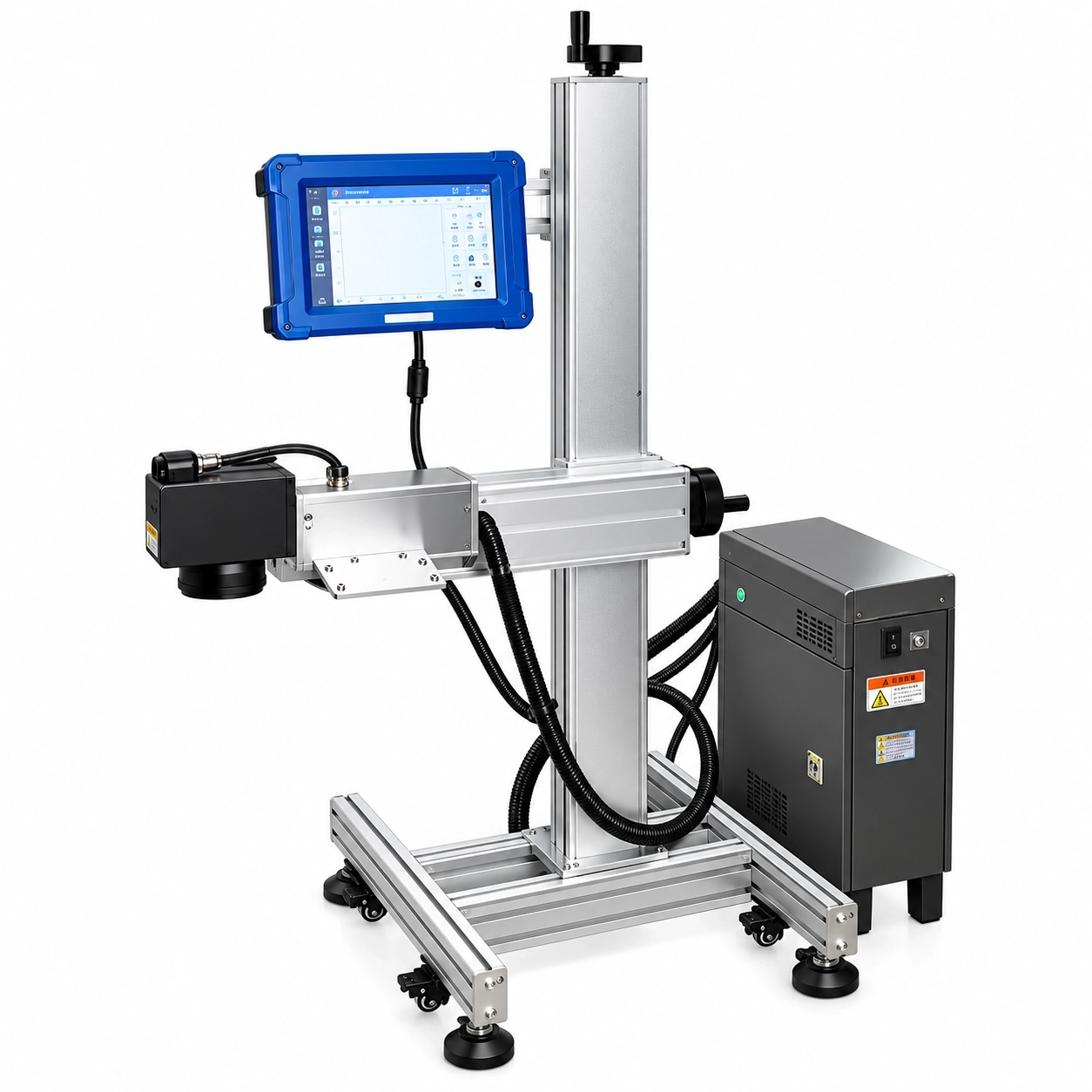
Adjustable Pulse Fiber Laser Coding Machine
The Adjustable Pulse Fiber Laser Coding Machine is an adjustable-pulse fiber laser marking solution for production work that calls for non-contact coding on substrates compatible with a fiber laser process. It is supplied in SES200A and SES300A versions. The range gives users documented model data for a coding discussion while keeping the actual substrate, code layout, target position, and product movement central to the application.
A production code can have different character counts, dimensions, positions, and visual requirements. Date codes, batch information, and other marks need a suitable area on the product or package and a stable opportunity to pass the marking point. This machine range is therefore described in relation to the real item being marked rather than as a universal answer for every surface or line arrangement.
Documented Model Specifications
SES200A is listed at 20W laser energy, 700 characters per second, and a production line speed of 120 m/min. SES300A is listed at 30W laser energy, 900 characters per second, and a production line speed of 180 m/min. Both listed models specify an unlimited number of printable lines. These are model-specific entries, so power, character rate, and line-speed figures should be read as separate reference points rather than as one interchangeable measure.
| Item |
SES200A |
SES300A |
| Laser Energy |
20W |
30W |
| Characters Per Second |
700 |
900 |
| Production Line Speed |
120 m/min |
180 m/min |
| Number of Printable Lines |
Unlimited |
Unlimited |
SES300A has higher listed values for power, character rate, and maximum production-line speed than SES200A. The useful model choice remains the one that suits the material, intended code, and operating conditions at the marking location.
Key Coding Considerations
-
Non-contact process: The machine is presented for substrates compatible with fiber laser marking.
-
Two model options: SES200A and SES300A offer stated differences in laser energy, characters per second, and line-speed ratings.
-
Code-layout flexibility: Both model specifications list an unlimited number of printable lines, allowing code layout to be considered with the available target area.
-
Material-led discussion: Surface finish, code dimensions, and the required marking appearance should be discussed with the real sample.
-
Line-position awareness: Marking-head access, product movement, and the available distance around the station influence the practical arrangement.
The Adjustable Pulse Fiber Laser Coding Machine can be considered when a production task needs these elements brought together. A nominal speed value is useful, but product presentation, movement stability, and the size of the code area also influence how the marking position is used.
Materials, Codes, and Marking Results
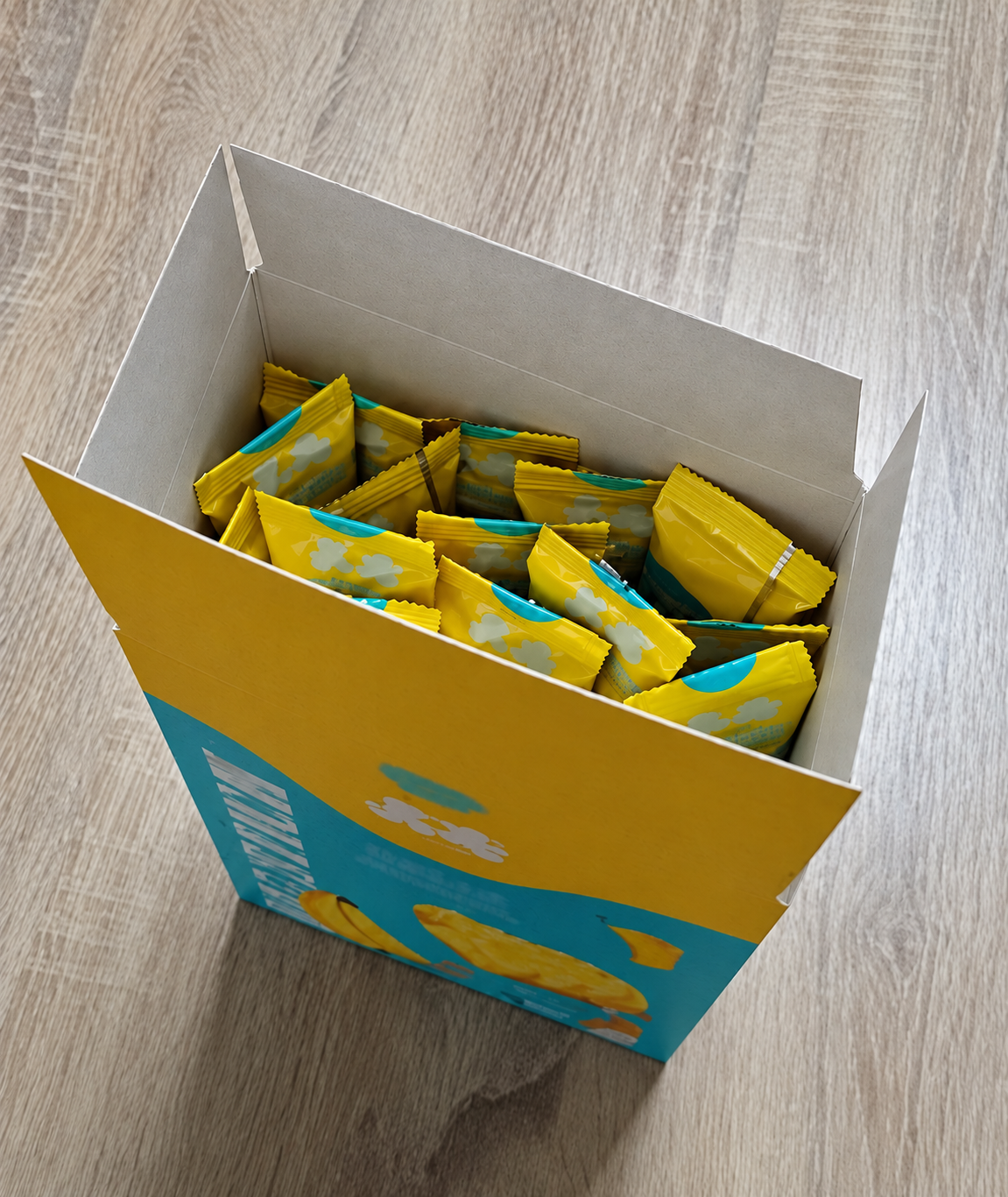
Metal components, coated materials, and packaging surfaces can react differently to fiber laser marking. For that reason, material compatibility and the desired marking appearance belong in the same conversation. The actual sample can show the surface finish, usable code area, and position available for the mark. This provides a practical basis for discussing an Adjustable Pulse Fiber Laser Coding Machine without treating every substrate as identical.
Code content matters as well. A compact mark on a steady target presents a different task from a larger multi-line mark on a moving package. Character count, code dimensions, and target position help define the available marking window. The production line should also provide sufficient space for the head and access around the coding location. These conditions place the documented SES200A and SES300A values in a useful operating context.
Production-Line Integration
An Adjustable Pulse Fiber Laser Coding Machine may be reviewed as one element of a packaging or production line when the material and coding task suit fiber laser technology. The location should be considered with upstream and downstream equipment, conveying direction, product stability, and operating access. A coding point that is clear on a layout can be easier to discuss when the product path and available working space are identified from the outset.
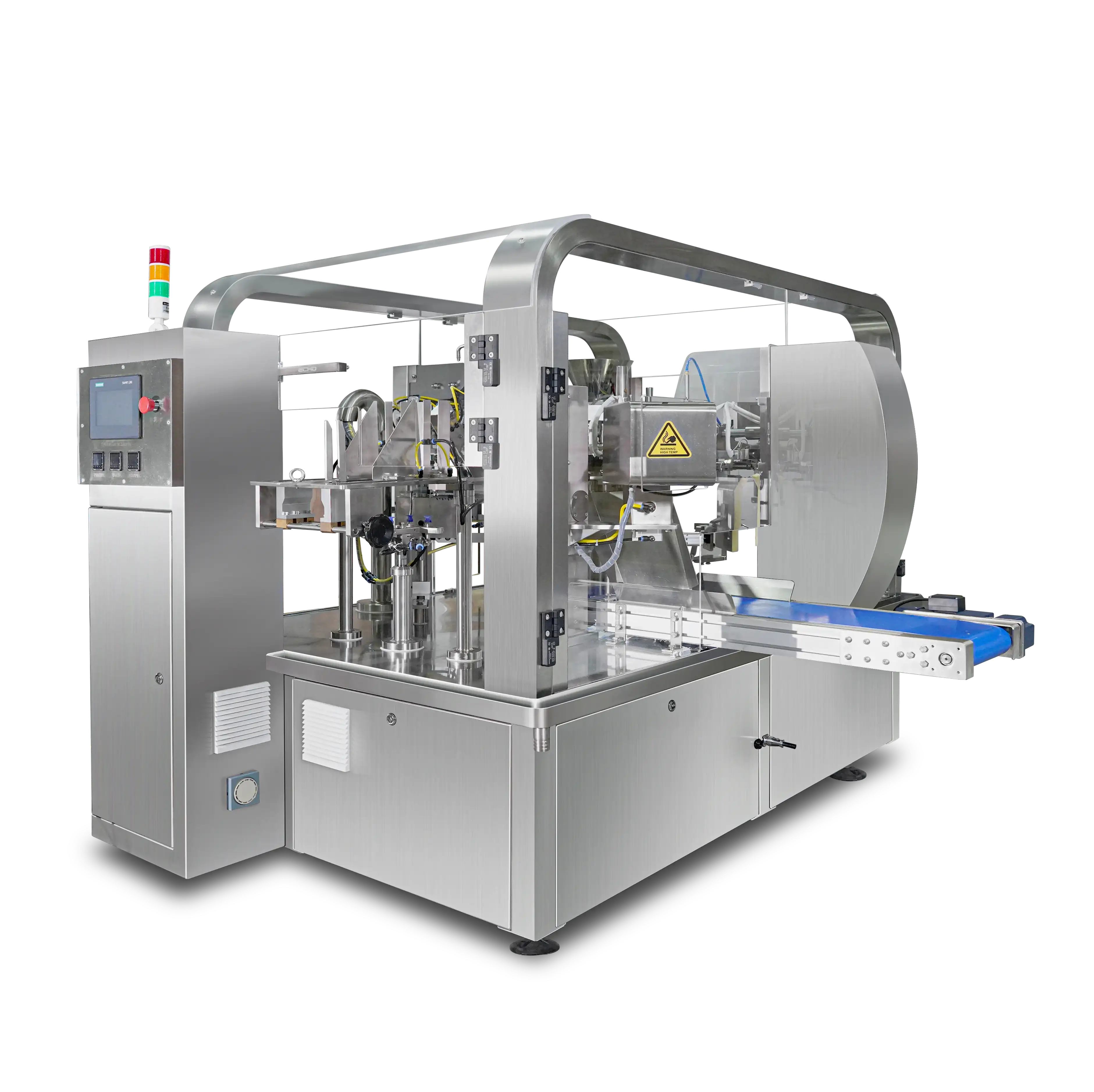
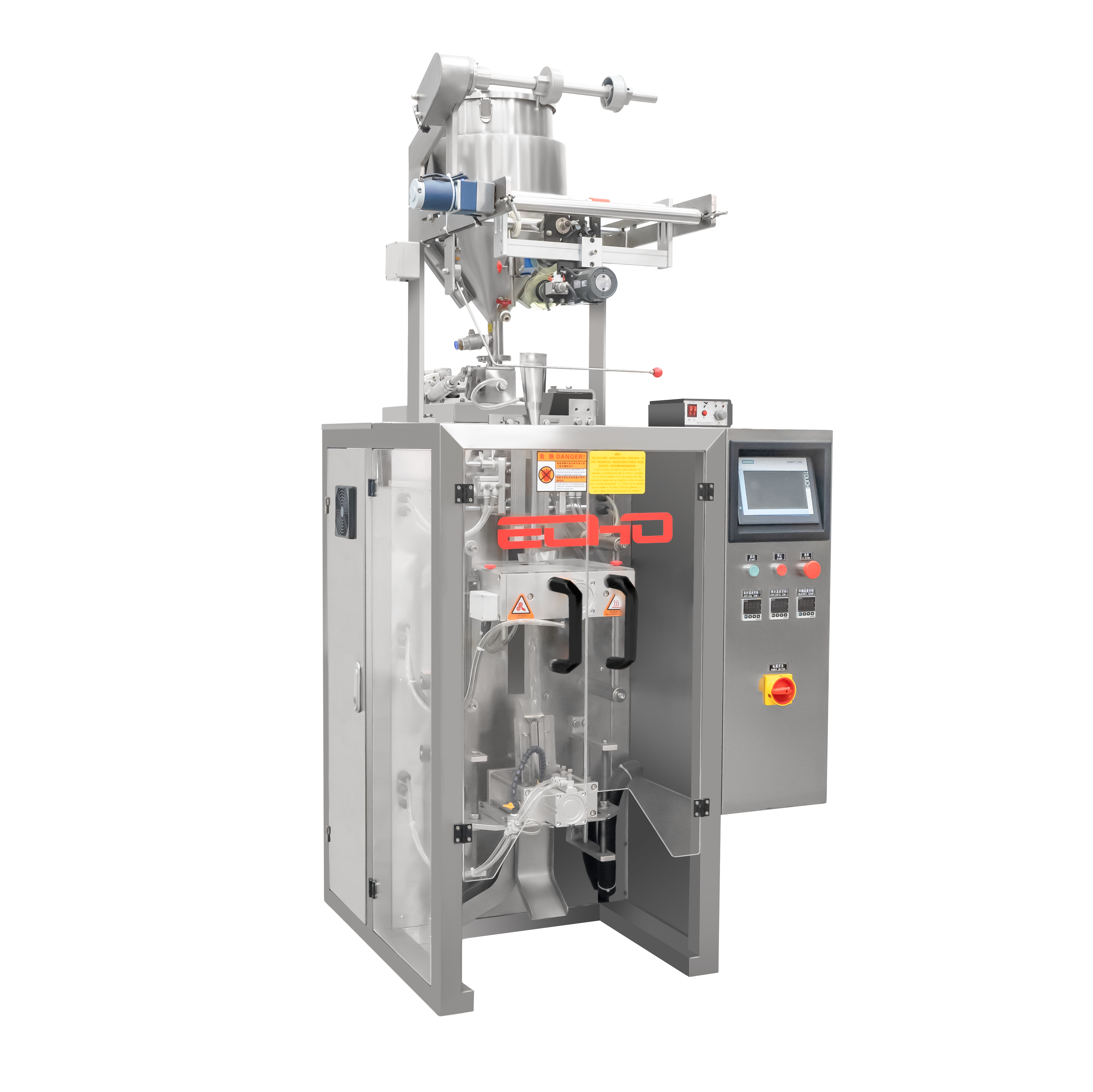
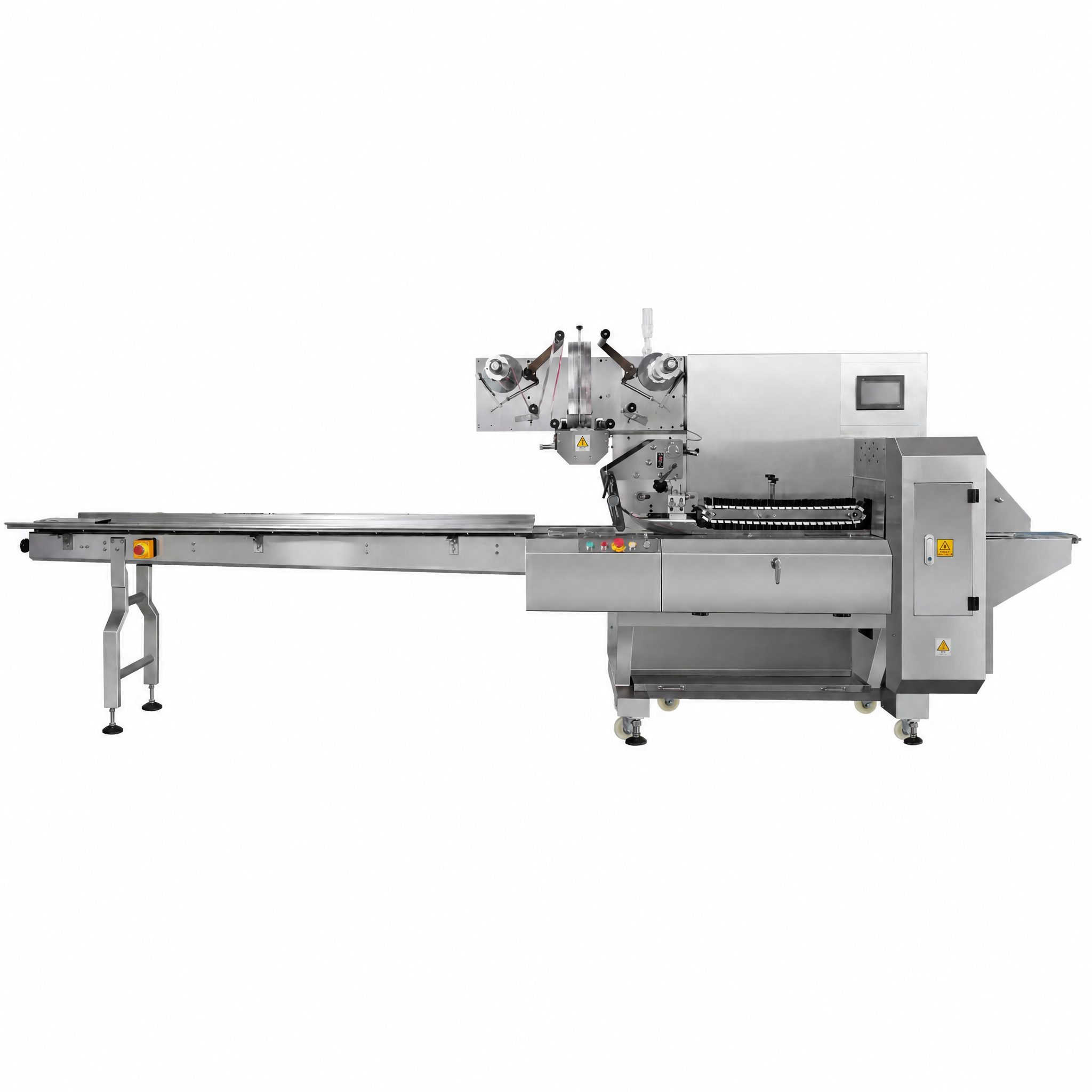
For a line that includes a bag filling machine, describe the condition of the package or product at the proposed coding point. The target surface, its movement, and the required code area are more informative than the equipment name alone. The same principle applies when a rice flour packaging machine or a sauce pouch filling machine forms part of the wider line. These supporting terms identify possible packaging contexts; they do not establish a final material match or marking result.
Conveying, labeling, and downstream handling can also affect the space available for a marking head. Share the direction of travel, the target position, and any adjacent equipment that constrains access. This information helps place the Adjustable Pulse Fiber Laser Coding Machine within the real production sequence while leaving the final configuration tied to the stated application.
Choosing Between SES200A and SES300A
SES200A is the stated 20W option with 700 characters per second and a 120 m/min production-line-speed rating. SES300A is the stated 30W option with 900 characters per second and a 180 m/min rating. Both list unlimited printable lines. The comparison makes the documented differences clear without assuming that the higher listed model is automatically appropriate for every task.
Start with the sample material, the content of the code, its intended size, and the planned line speed. Then consider where the target passes the marking station, how stable its movement is, and how much room is available for the head. The Adjustable Pulse Fiber Laser Coding Machine range provides the named models and their stated values; actual material and line details determine the productive discussion around them.
Information for an Inquiry
For an Adjustable Pulse Fiber Laser Coding Machine inquiry, provide the material to be marked, surface finish, code content, code dimensions, desired marking position, and planned production speed. A representative product or package sample can clarify the target area and desired marking appearance. Details about nearby stations, conveying, and available access are also useful where the coding location is part of an existing line.
If a bag filling machine, rice flour packaging machine, or sauce pouch filling machine is involved before the coding position, describe the package condition and product path at that point. This information supports a direct discussion of the SES200A or SES300A option in relation to the actual coding task. The result is a focused conversation about product facts, stated model data, and the line conditions that matter for the intended mark.
A Coding Range Built Around the Application
This range combines a non-contact fiber laser coding approach with two documented model options. The available information identifies the key SES200A and SES300A values while recognizing the importance of material, code format, target position, and line movement. It is suited to a product discussion that begins with the item to be marked and the desired coding result.
Send the product or package details, code requirements, marking position, and existing production-line information to discuss the Adjustable Pulse Fiber Laser Coding Machine for the stated application. The model specifications can then be considered alongside the actual substrate and production sequence.

 EN