Pneumatic Paste Filler for Measured Paste Dosing
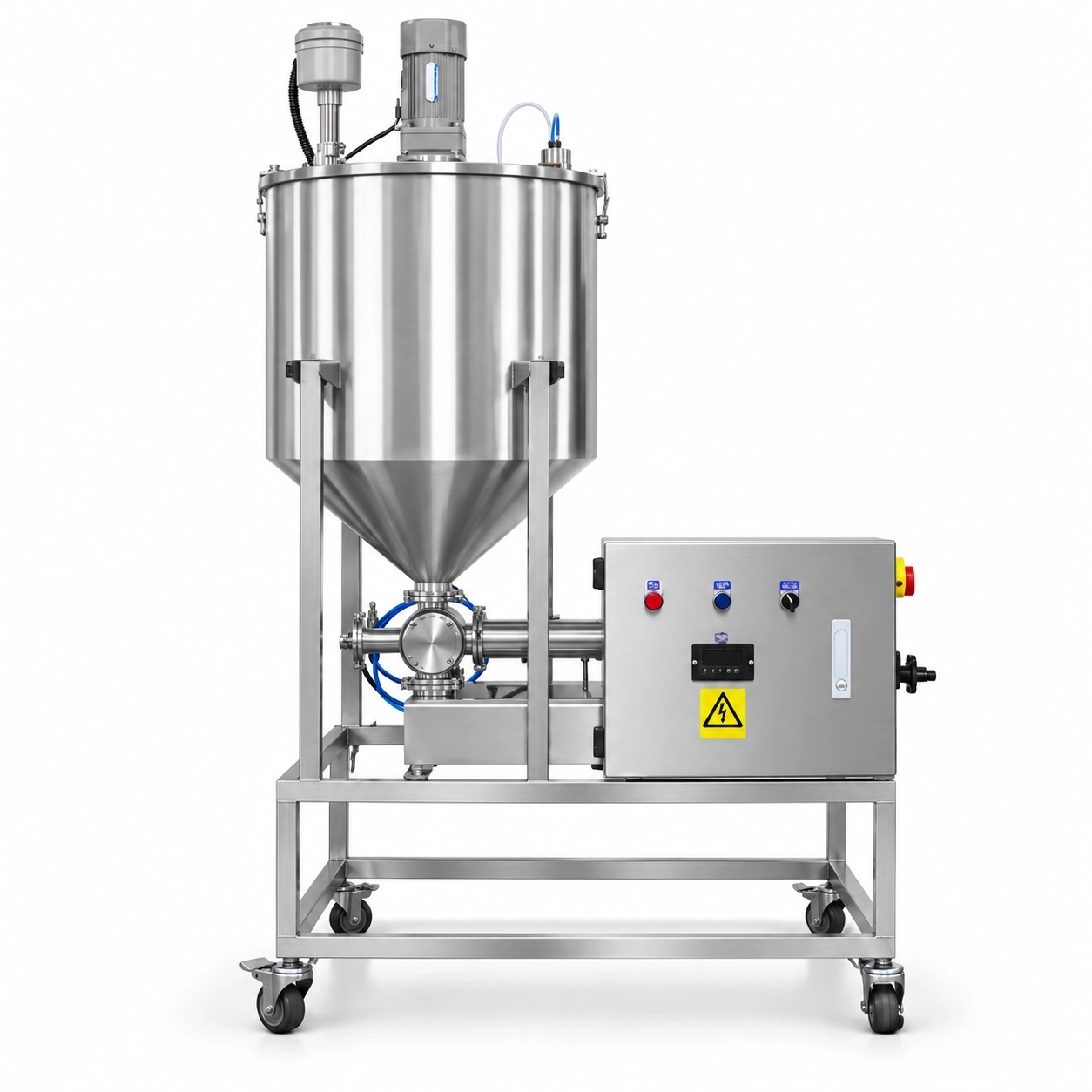
The Pneumatic Paste Filler is an air-driven TGJ Series filling machine for suitable paste-like and higher-viscosity products.
Each Pneumatic Paste Filler uses pneumatic supply as part of its stated operating requirement. The product information lists 0.4–0.6 MPa air pressure for all six TGJ versions and gives a stated accuracy of ±1%. These are published product specifications, while the actual material, fill temperature, container opening and operating routine remain important selection factors. The Pneumatic Paste Filler is therefore best discussed with the intended product and package format in view.
TGJ Series Specifications
The Pneumatic Paste Filler range covers six documented models: TGJ-100, TGJ-250, TGJ-500, TGJ-1000, TGJ-2000 and TGJ-5000. Together, these models span stated filling-volume ranges from 10–100 ml through 500–5,000 ml. The table below preserves the supplied model relationships so a buyer can begin with the usual dose and identify the related stated best range.
| Model |
Filling volume |
Stated best range |
Stated accuracy |
Air pressure |
Published filling speed* |
| TGJ-100 |
10–100 ml |
20–100 ml |
±1% |
0.4–0.6 MPa |
40–60 |
| TGJ-250 |
25–250 ml |
50–250 ml |
±1% |
0.4–0.6 MPa |
35–50 |
| TGJ-500 |
50–500 ml |
100–500 ml |
±1% |
0.4–0.6 MPa |
25–40 |
| TGJ-1000 |
100–1,000 ml |
200–1,000 ml |
±1% |
0.4–0.6 MPa |
15–28 |
| TGJ-2000 |
200–2,000 ml |
400–2,000 ml |
±1% |
0.4–0.6 MPa |
10–15 |
| TGJ-5000 |
500–5,000 ml |
1,000–5,000 ml |
±1% |
0.4–0.6 MPa |
5–10 |
*The source states that filling-speed figures are based on each model’s maximum filling volume; no speed unit is stated in the supplied product data.
For a Pneumatic Paste Filler, the stated best range can be more useful than a broad capacity boundary when the usual fill is known. A 1,000 ml target, for example, falls within more than one documented range, but the normal dose and product behavior still guide a practical model discussion. Put another way, the Pneumatic Paste Filler configuration is only one part of the filling decision; the material and container also influence the working setup.
Features That Support Product-Focused Filling
-
Six documented volume options: The Pneumatic Paste Filler series provides a progression from 10–100 ml to 500–5,000 ml, helping match the machine range to the intended dose.
-
Stated working ranges: Each Pneumatic Paste Filler model includes a listed best range, creating a useful reference point for routine fills rather than relying only on maximum capacity.
-
Air-driven operation: The stated 0.4–0.6 MPa requirement helps define the pneumatic utility condition to consider around the Pneumatic Paste Filler.
-
Published accuracy value: The supplied TGJ specifications list ±1% accuracy across the six models.
-
Model-specific speed figures: Published figures differ across the range, so a Pneumatic Paste Filler should not be selected by a larger cylinder size alone.
A high published speed does not by itself establish stable line output. Product feeding, material consistency, fill volume and the transfer to the next packaging step all affect how a Pneumatic Paste Filler fits an operating sequence. This practical context keeps the specification table connected to the job the machine is expected to perform.
Material and Container Considerations
The Pneumatic Paste Filler is described for suitable paste-like and higher-viscosity products. Before choosing a version, consider thickness, flow at filling temperature, particle presence, stringing or dripping behavior, and the normal dose. These factors help determine whether a given Pneumatic Paste Filler configuration is appropriate for the product and whether its listed range aligns with the intended operation.
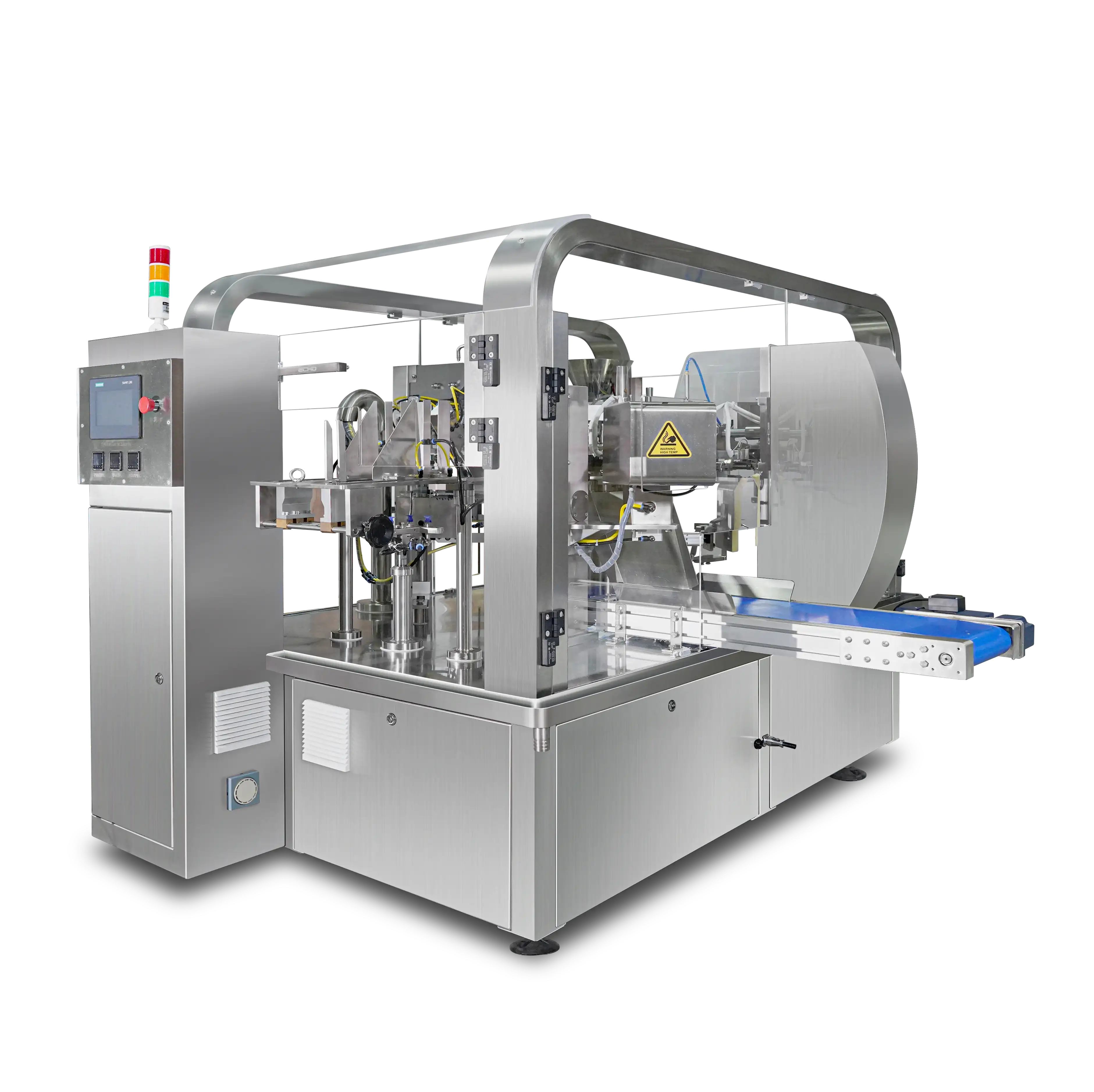
The container opening and the desired fill volume should be considered alongside the product itself. A Pneumatic Paste Filler is a filling-stage machine that can be positioned before downstream package closing, sealing or labeling according to the selected package format. A plastic ampoule filling and sealing machine arrangement combines distinct filling and sealing functions, so the sealing stage should be defined separately when that package format is required.
Cleaning access is another practical point for sticky or viscous materials. The supplied material identifies cleaning access as a consideration, particularly where paste residue may affect routine handling in routine use. For hygienic applications, discuss the cleaning questions around product-contact and surrounding zones for the planned material and operating procedure. A Pneumatic Paste Filler should be discussed against those requirements rather than assumed to meet an unstated cleaning standard.
Applications and Line Integration
A Pneumatic Paste Filler can be considered for packaging operations that require measured doses of suitable paste-like material into a defined container. It is relevant where the fill stage must connect with package closing, sealing or labeling downstream.
For a small-dose application, a Pneumatic Paste Filler from the lower end of the TGJ range may be a starting point when the planned volume sits within the stated model range. For medium and larger doses, the TGJ-500, TGJ-1000, TGJ-2000 and TGJ-5000 figures provide a documented basis for matching capacity. The final choice should reflect the normal dose, not only the largest number printed in the table.
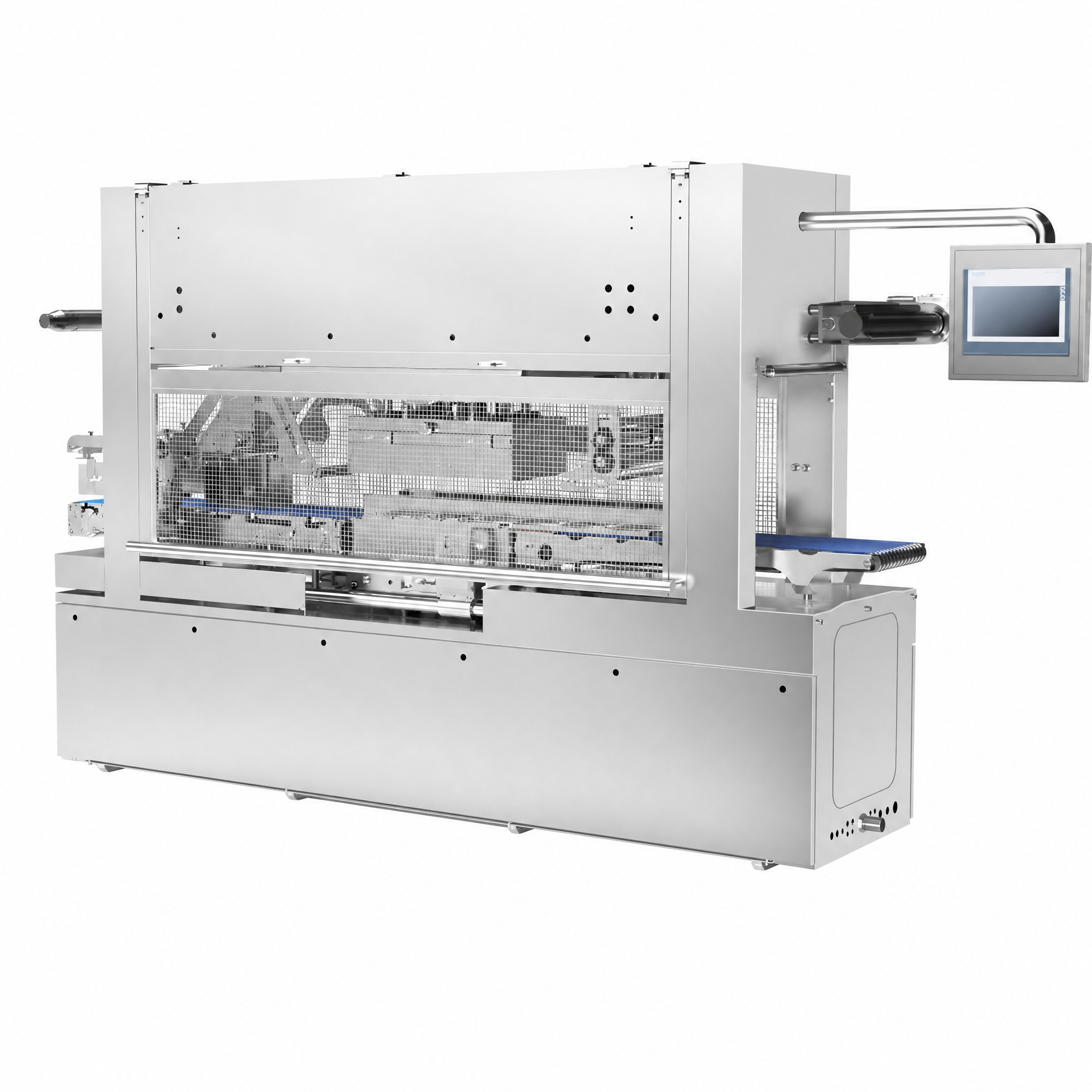
Where a tray-sealing stage is part of the packaging line, tray sealer machine price belongs to the separately defined sealing scope rather than the filling machine itself. The Pneumatic Paste Filler remains the measured paste-dosing stage, while the fill-stage, sealing-stage and package handoff requirements can be aligned around the selected format.
Choose a TGJ Configuration for Your Fill Requirement
To discuss a Pneumatic Paste Filler, share the product type, normal fill volume, material behavior, container opening and available pneumatic supply. These details help relate the stated TGJ volume range and best range to the intended filling task. They also help clarify the handoff to downstream packaging equipment when closing, sealing or labeling is part of the process.

 EN