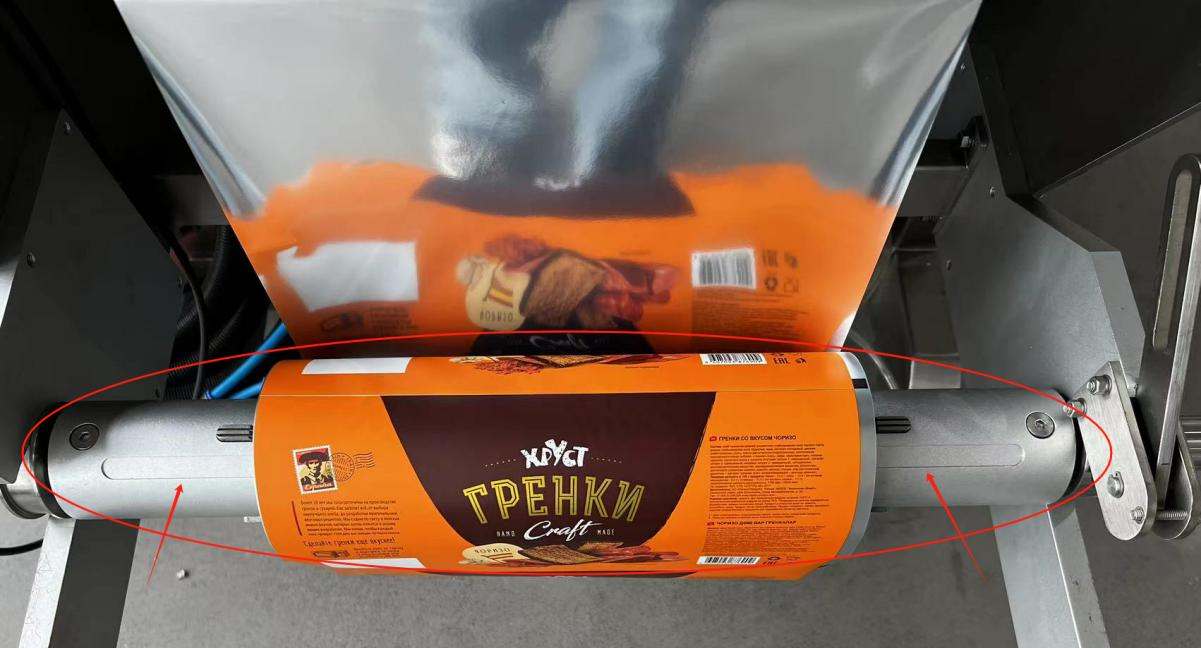
Shrink Sleeve Labeller for Bottle and Container Packaging
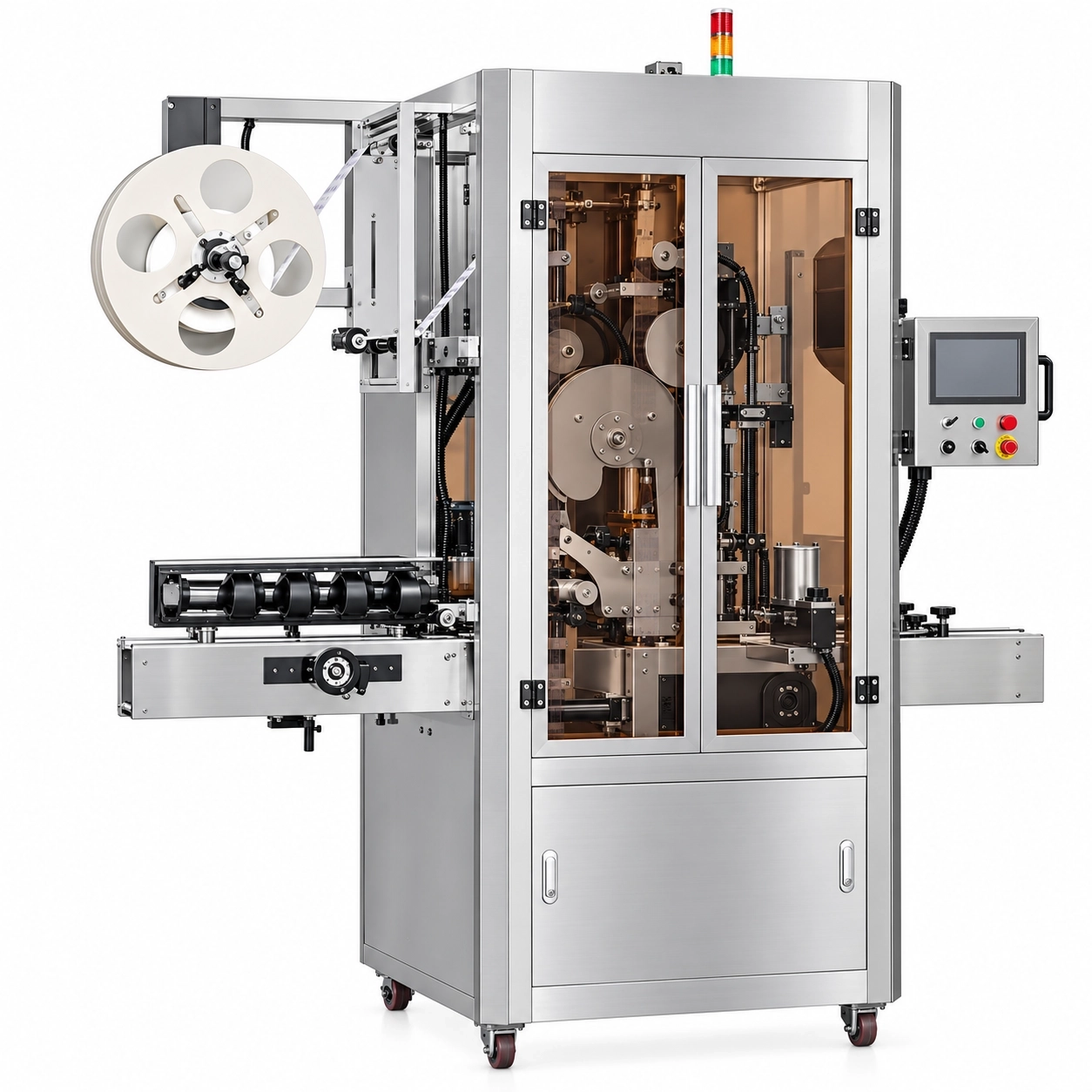
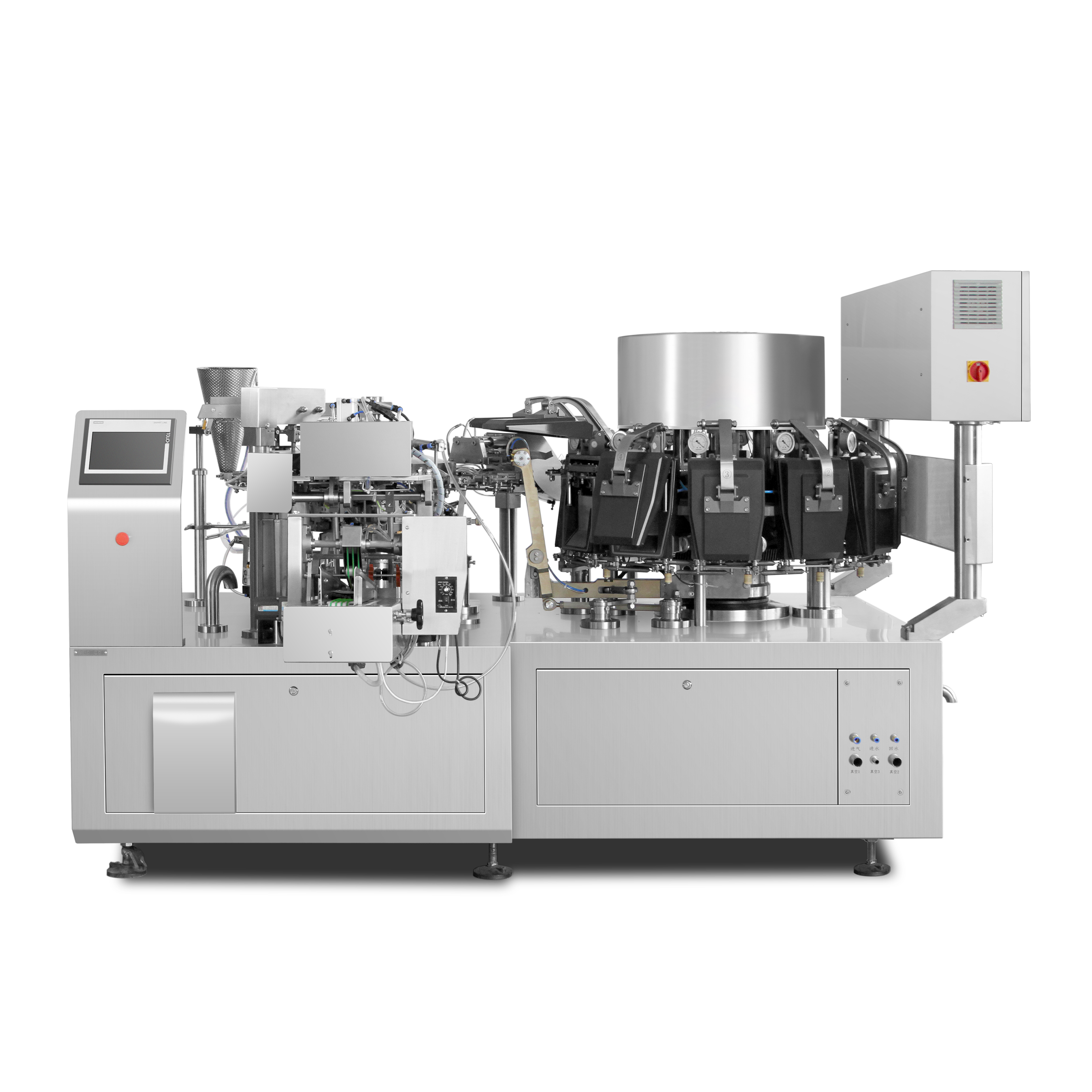
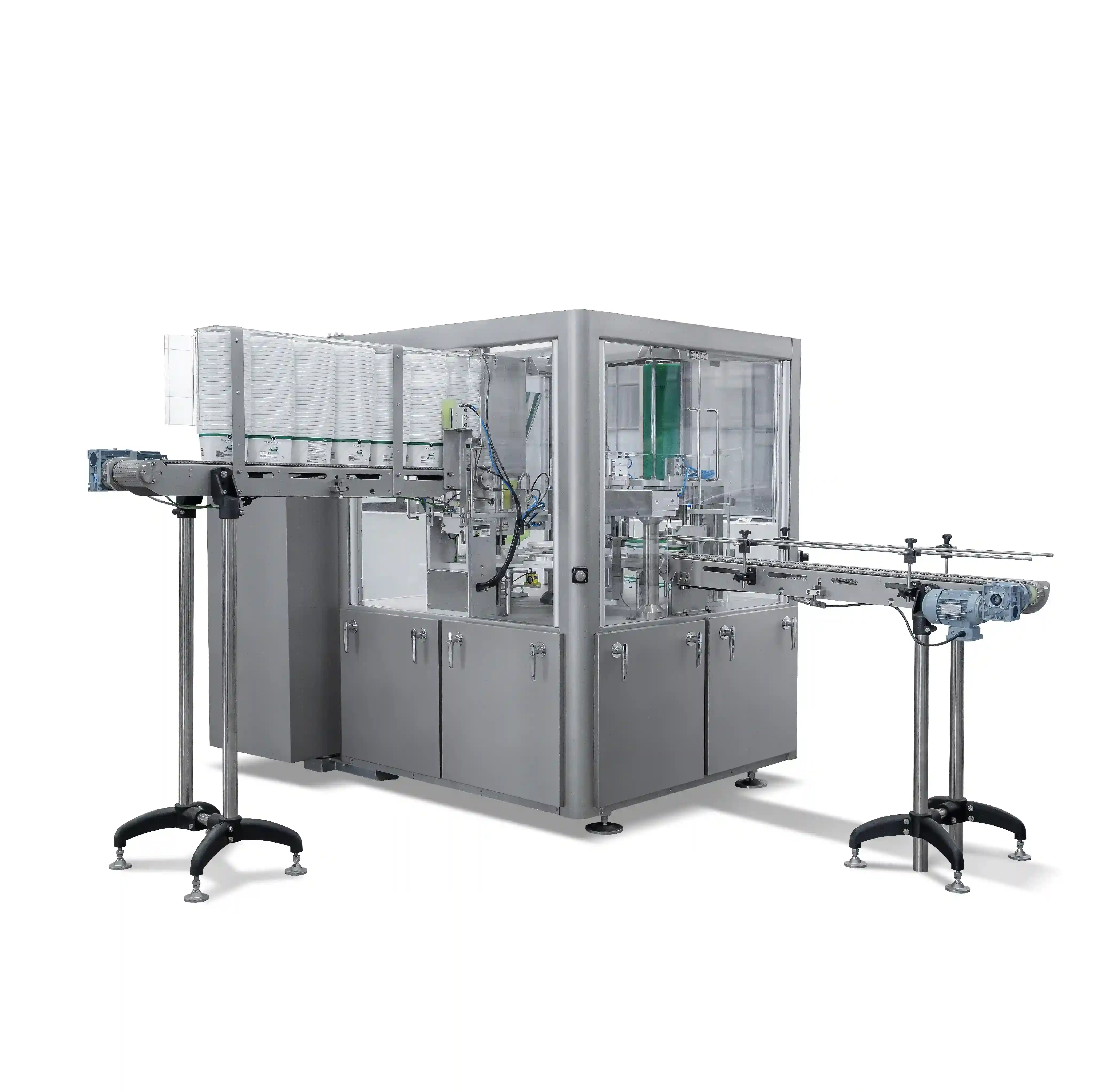
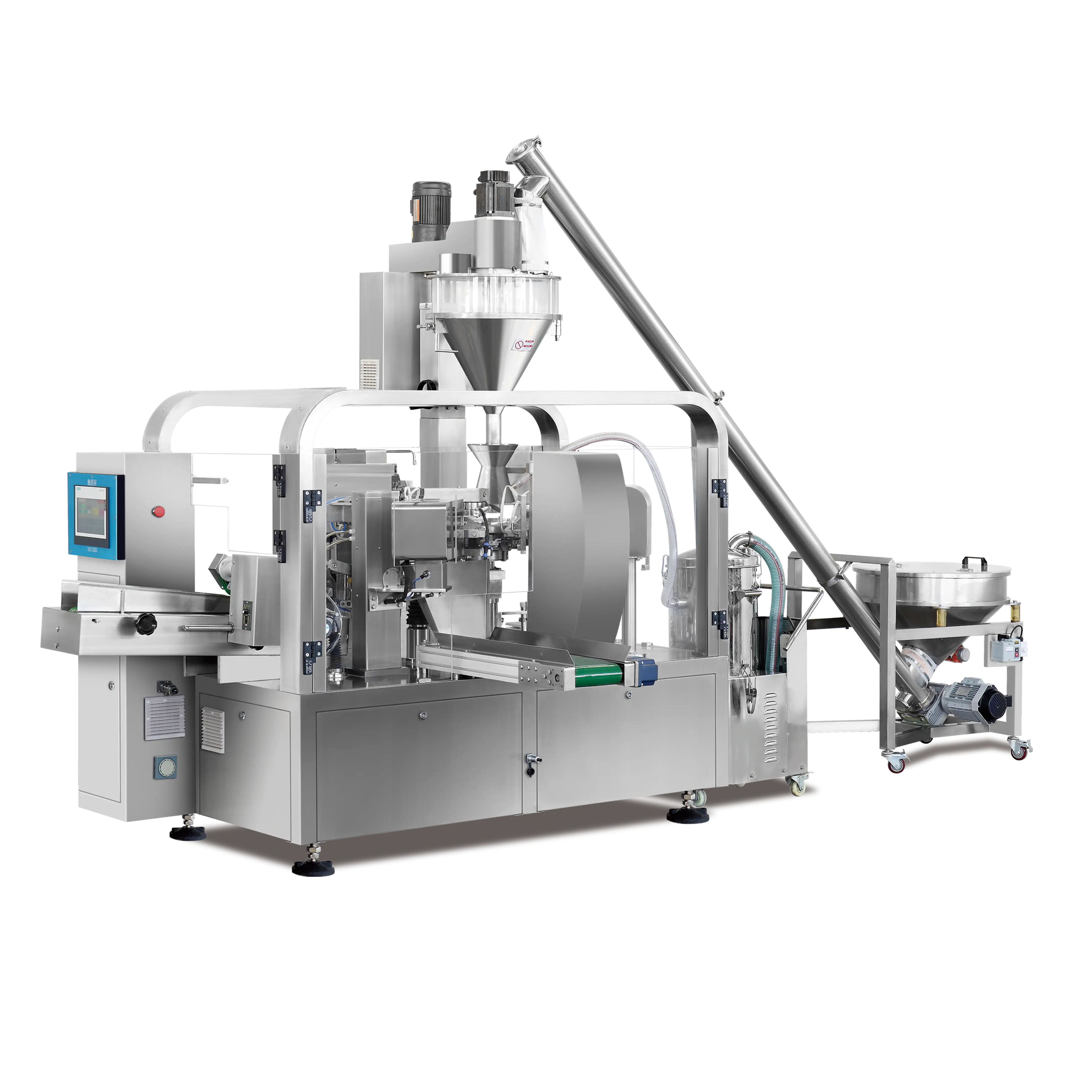
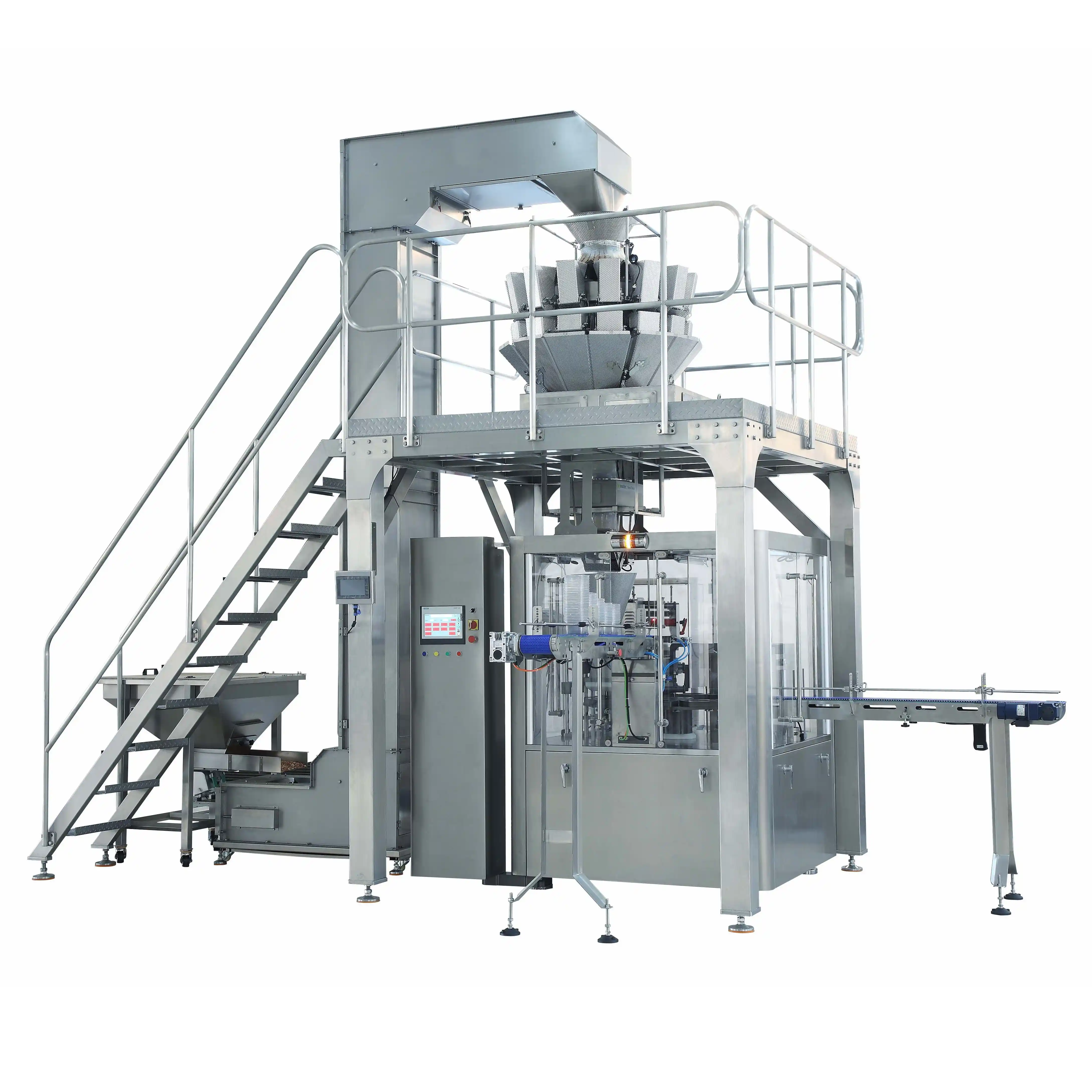
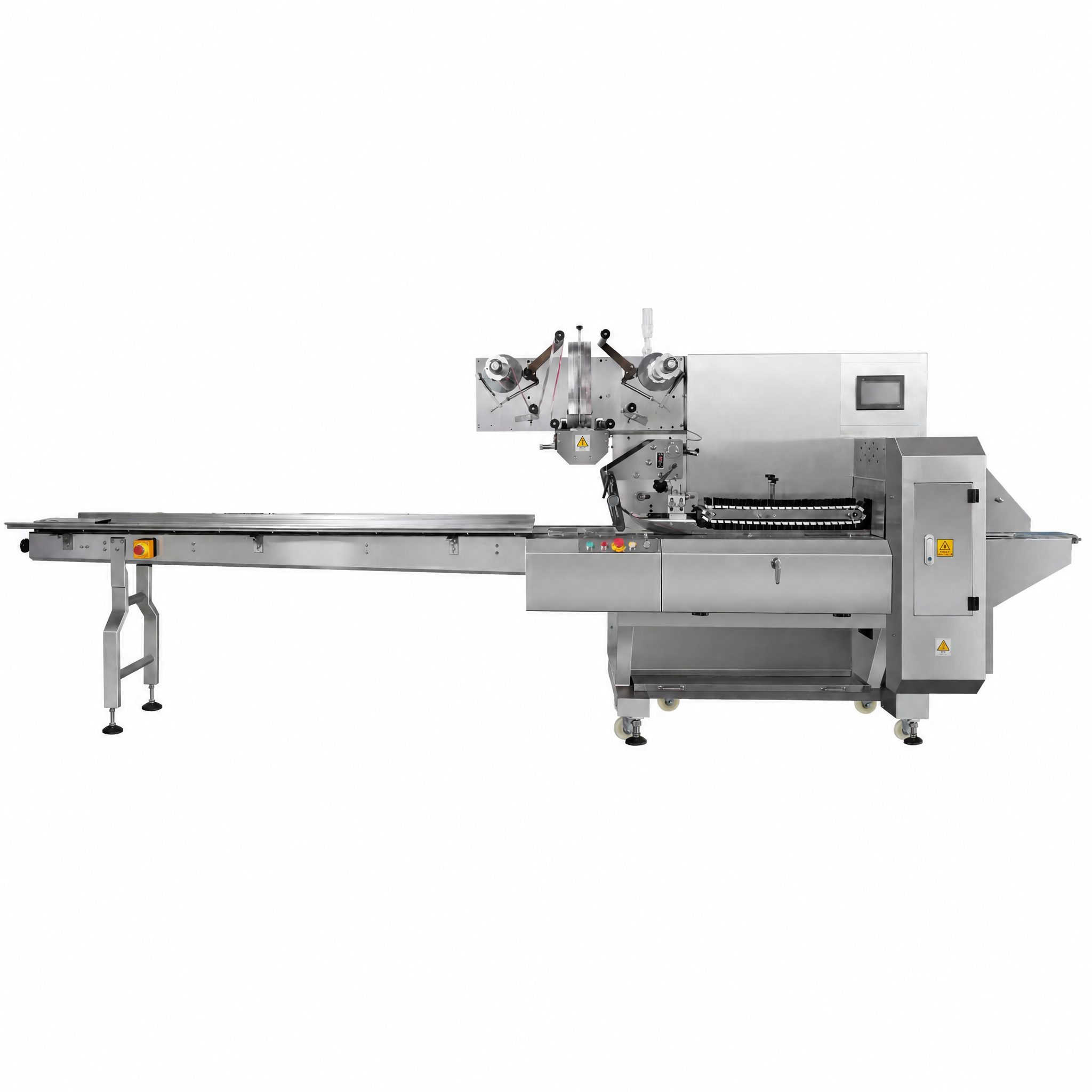
The Shrink Sleeve Labeller is identified as model RJ-SSL for shrink sleeve labeling on bottles and containers. It supports packaging projects where a sleeve-style label is intended to cover more of the pack than a conventional front label. A Shrink Sleeve Labeller belongs in the labeling stage of a packaging process, where container presentation, sleeve material, label coverage, and the next production step need to work together. The supplied product information shows an enclosed in-line labeling arrangement with film-handling equipment and presents the machine as part of a packaging discussion.
Rather than treating a Shrink Sleeve Labeller as an isolated item, it is useful to view it as one link between the incoming container flow and the downstream stage required for the selected sleeve application. Put another way, the machine choice is only part of the decision; the handoff between stations needs attention too. RJ-SSL is described for shrink sleeve labeling, while the final configuration should reflect the container, sleeve, and line layout for the project.
Confirmed Product Information
| Item |
Available information |
Why it matters |
| Model |
RJ-SSL |
Provides the identified reference for the Shrink Sleeve Labeller. |
| Labeling type |
Shrink sleeve labeling |
Relates the equipment to sleeve-style decoration for bottles and containers. |
| Packaging focus |
Bottle and container projects |
Frames the container and sleeve details that guide a project discussion. |
| Arrangement shown |
Enclosed in-line labeling arrangement with film-handling equipment |
Places the labeling operation within a packaging-line context. |
A Shrink Sleeve Labeller can be considered when the package design calls for sleeve decoration around a larger portion of the container. The product material does not state a universal capacity, container range, utility requirement, or finished-pack result. Those project-specific items should be confirmed against the materials and layout. This keeps the product discussion focused on the known labeling function instead of attaching unsupported figures or broad guarantees to the RJ-SSL model.
Key Features and Practical Value
1. Sleeve-label application focus
The Shrink Sleeve Labeller is intended for shrink sleeve labeling rather than conventional adhesive labeling on a flat panel. That distinction matters when the desired pack appearance depends on sleeve position, coverage, and the relationship between the sleeve and the container shape. For a bottle with curves, tapers, shoulders, or transitions, the intended sleeve presentation should be discussed with the physical pack in mind.
2. Product-specific sleeve review
A Shrink Sleeve Labeller project can start with the container sample, sleeve specification, desired label coverage, and images of the finished pack. These inputs help connect a broad packaging objective to the details that influence sleeve placement. The product information specifically notes that the container body, shoulders, and base may affect how the sleeve sits before and after the intended finishing stage.
3. Line-interface awareness
The Shrink Sleeve Labeller can be reviewed alongside upstream container filling and closing equipment and downstream pack-handling stages. The benefit of this approach is a clearer view of where containers arrive, where they go next, and how the labeling station fits into the overall packaging sequence. It is especially relevant where the sleeve application stage must align with other equipment positions and operator access needs.
4. Film and pack coordination
The supplied description associates RJ-SSL with film-handling equipment and asks for sleeve material details during project discussion. A Shrink Sleeve Labeller provides a practical starting point for discussing the relationship between film supply, sleeve dimensions, container format, and the intended finished appearance. Material behavior and actual pack dimensions still need to be checked for the individual application.
5. Inquiry-led configuration discussion
For a Shrink Sleeve Labeller, inquiry information includes a bottle or container sample, the sleeve material, target label coverage, images of the desired finished pack, and an outline of the upstream and downstream process. Providing these details allows the conversation to move from a generic machine category to the relevant container and sleeve conditions without assuming specifications that are not supplied here.
Applications for Sleeve Labeling
Bottle packaging projects
A Shrink Sleeve Labeller may be considered for bottle packaging where the desired decoration uses a sleeve-style label. The available material refers to bottles and containers rather than limiting the product to one named industry. This leaves the page focused on the packaging format: the container shape, sleeve coverage, and required final appearance are the meaningful starting points for the application.
Container decoration with broader label coverage
Where a conventional front label does not match the packaging concept, a Shrink Sleeve Labeller provides a route for discussing sleeve decoration across a larger area of the package. The exact coverage, sleeve dimensions, and finishing sequence depend on the product-specific design. A sample pack and sleeve information can help clarify how the labeling stage should be approached.
Coordinated packaging lines
A Shrink Sleeve Labeller can also be discussed within a line that includes container filling, closing, and subsequent pack handling. The supplied copy describes reviewing equipment positions and access requirements during a packaging project. This is useful when the labeling station must be considered with the practical route of containers through the process rather than as a separate operation.
How to Discuss Your RJ-SSL Application
To begin a focused discussion about the Shrink Sleeve Labeller, share the container sample or container details, sleeve material information, the preferred coverage and appearance, and an outline of how containers enter and leave the labeling stage. These materials help define the actual packaging relationship. They also make it easier to discuss the position of the Shrink Sleeve Labeller in the line and any follow-on process associated with the chosen sleeve material.
Container stability, the relationship between film supply and the production run, and operator access are practical points named in the existing product material. A Shrink Sleeve Labeller discussion can use those points to connect the product definition with the packaging arrangement. Project-specific suitability, line coordination, and finishing requirements should be confirmed from the real container and sleeve combination for bottle and container packaging.

 EN