 EN
How to Reduce Film Waste with a Premade Pouch Packaging Machine?
2026/09/20
Premade Pouch Machines: Reduce Film Waste, Cut TCO & Achieve Faster ROI

2026/10/08
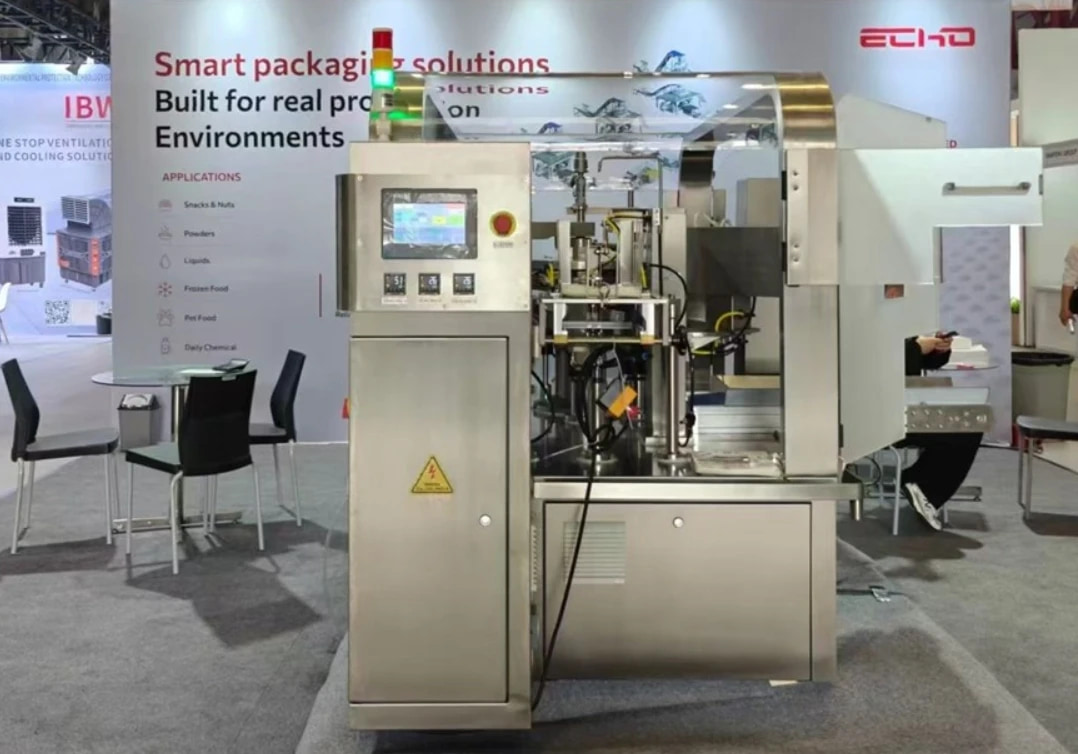
Selecting the right packing machine is one of the most critical decisions in establishing or upgrading a production facility. The choice directly impacts your operational efficiency, product quality, packaging speed, and overall profitability. A poorly selected packing machine can lead to production bottlenecks, increased waste, inconsistent product quality, and unexpected maintenance costs. Understanding how to evaluate and choose the right packing machine ensures your facility operates at peak performance while meeting market demands and customer expectations.
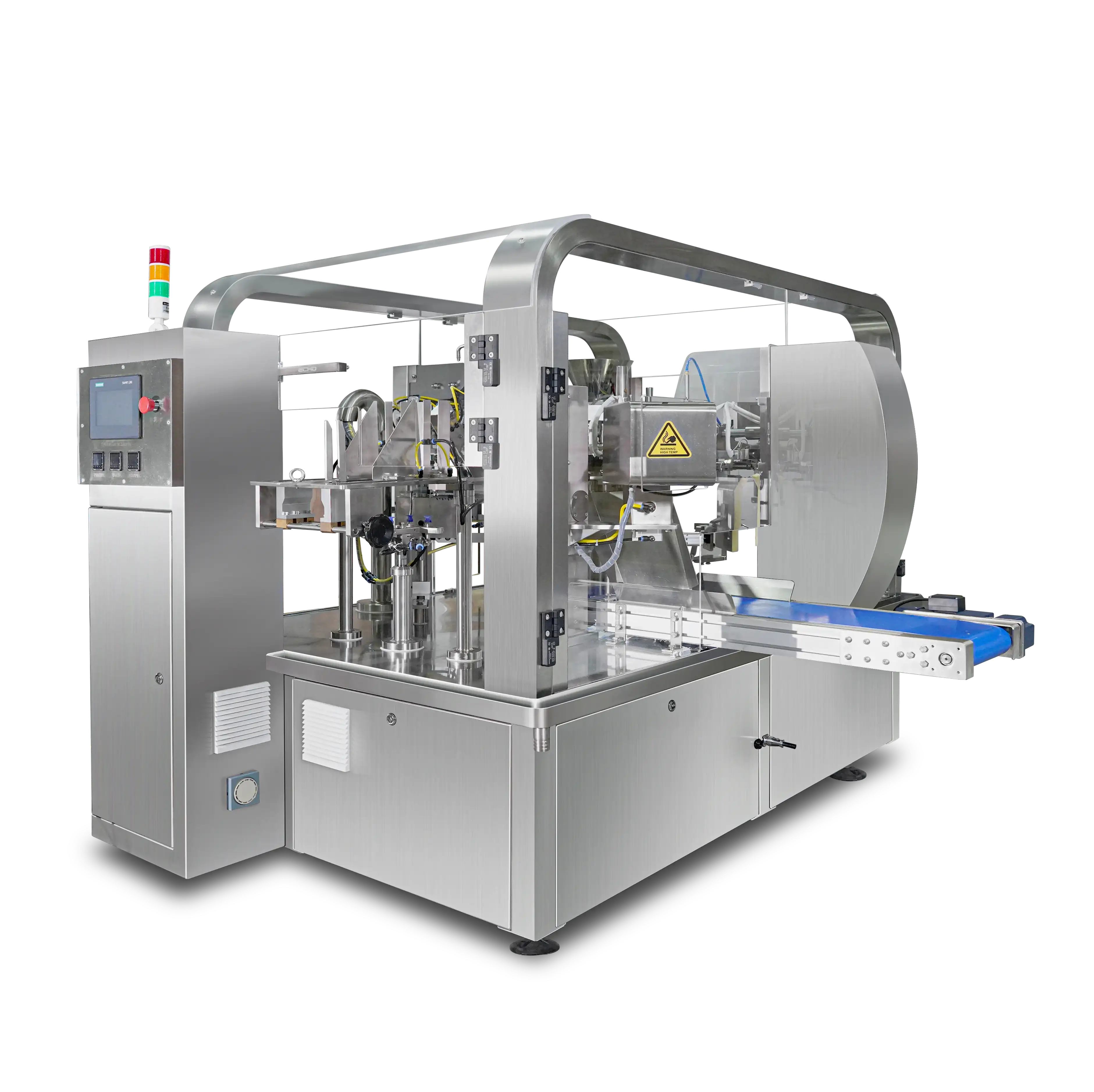
The process of selecting a packing machine involves analyzing production volume, product characteristics, packaging format, available floor space, budget constraints, and long-term business goals. Each packing machine type serves specific applications, and matching your requirements to the right machine type is essential for success. This guide walks you through the key factors to consider when evaluating a packing machine, helping you make an informed decision that aligns with your production needs and strategic objectives.
The production volume your facility needs to handle is the foundation for packing machine selection. High-speed operations require a packing machine capable of processing hundreds of packages per minute, while smaller facilities may need lower-capacity equipment. Calculate your monthly or annual packaging requirements and determine peak production periods to understand the baseline specifications your packing machine must meet.
Speed requirements directly influence the type and cost of the packing machine you select. A packing machine designed for 100 packages per minute will differ significantly in design, components, and price from one rated for 600 packages per minute. Consider not only current demand but also anticipated growth over the next three to five years. Investing in a packing machine with moderate excess capacity allows for future expansion without requiring equipment replacement.
Your specific product determines which packing machine configurations will work effectively. Powders, granules, liquids, pastes, and solid items each require different packaging approaches and packing machine capabilities. A packing machine optimized for free-flowing granules may not properly handle viscous products, and vice versa. Understanding your product's density, flowability, moisture content, and consistency is essential when selecting a packing machine.
Product weight variance also influences packing machine selection. Some applications require precise weight control within tight tolerances, demanding a packing machine equipped with advanced weighing systems and real-time adjustment capabilities. Other products allow broader weight ranges, enabling simpler packing machine configurations. Evaluate whether your product is sensitive to heat, pressure, or light exposure, as these factors may require a packing machine with specialized protective features or containment systems.
The packaging format you intend to use significantly impacts the packing machine type you should select. Premade pouches, roll stock films, pillow-style bags, stand-up pouches, and rigid containers each require different packing machine specifications and operating principles. A packing machine designed for premade pouches cannot be easily adapted for roll stock applications without major modifications. Determine your preferred packaging format based on market expectations, product protection requirements, and cost considerations before selecting a packing machine.
Premade pouches offer convenience and faster changeover times, making them ideal for facilities running multiple product SKUs. A packing machine for premade pouches typically features faster cycle times and simpler operations. Conversely, roll stock films provide cost advantages for high-volume single-product runs, though the packing machine requires more complex film handling and sealing mechanisms. Evaluate which format aligns with your production strategy and then select a packing machine compatible with that choice.
Different packaging materials demand specific sealing and handling capabilities in a packing machine. Flexible films, laminated materials, and composite structures require appropriate heat settings, pressure levels, and sealing technology. Selecting a packing machine with adjustable sealing parameters ensures compatibility across your material range and protects product integrity during storage and distribution.
Heat-sealing is the most common packing machine sealing method for flexible materials, but ultrasonic sealing, impulse sealing, and cold-seal technologies offer alternatives for heat-sensitive products. Ensure your chosen packing machine supports the sealing method required for your specific packaging material. Material thickness, composition, and barrier properties all influence which packing machine technologies will deliver reliable, consistent seals.
Physical space available in your production facility constrains the size of the packing machine you can install. Measure your available floor area, ceiling height, and access points to ensure a candidate packing machine fits within your facility without disrupting workflow. Many modern packing machine designs prioritize compact footprints while maintaining high processing speeds, but space assessment remains non-negotiable before purchase.
Utility requirements for a packing machine include electrical power, compressed air, water, and sometimes steam or cooling systems. Confirm your facility provides adequate supply and quality for the packing machine specifications. A packing machine requiring three-phase 480-volt power cannot operate in a facility with only single-phase 208-volt service. Review utility demand, control system interfaces, and networking requirements to ensure seamless packing machine integration into your existing production line.
When selecting a packing machine, consider long-term maintenance requirements, spare parts availability, and technical support infrastructure. A packing machine with readily available spare parts and responsive technical support reduces downtime and operational risk. Evaluate the manufacturer's service network, warranty terms, training programs, and documentation quality as critical factors in the packing machine selection process.
Total cost of ownership extends beyond the initial packing machine purchase price. Factor in installation costs, operator training, preventive maintenance expenses, spare parts inventory, and potential downtime losses. Some packing machine options command higher upfront investment but deliver lower operating costs through reduced energy consumption, fewer material rejects, and extended service intervals. Compare the full financial impact over five to ten years of operation rather than focusing solely on acquisition cost.
Develop a scoring matrix comparing candidate packing machine options against your prioritized requirements. Assign weight to factors such as speed, accuracy, flexibility, footprint, reliability, and cost. Request demonstrations and trial runs using your actual products whenever possible before committing to a packing machine purchase. Many manufacturers support pilot testing programs that reveal real-world performance and compatibility issues before significant capital deployment.
Engage your production team, quality personnel, and maintenance staff in the packing machine evaluation process. Their operational insights, maintenance experience, and practical concerns enhance decision quality and ensure the selected packing machine aligns with organizational capacity. Validate that staff can be adequately trained to operate and maintain the packing machine, as user competency directly influences equipment performance and reliability.
Selecting a packing machine is not merely a transaction but the beginning of a working partnership. Choose vendors who demonstrate technical expertise, genuine commitment to customer success, and willingness to collaborate on customization and optimization. Clarify installation timelines, commissioning procedures, training schedules, and post-installation support expectations before finalizing the packing machine purchase agreement.
Develop a detailed implementation plan covering equipment installation, staff training, production ramp-up, and performance validation phases. Set measurable targets for packaging accuracy, production speed, material waste reduction, and equipment uptime to gauge packing machine effectiveness against selection criteria. Document operating procedures, troubleshooting protocols, and maintenance schedules to maximize the productive lifespan of your chosen packing machine.
Modern packing machines range from 20 to 1000 packages per minute depending on configuration, product type, and packaging format. Semi-automatic packing machines typically operate at 10 to 100 packages per minute and suit small-to-medium facilities. Fully automatic packing machines designed for high-volume production achieve 300 to 1000 packages per minute. The specific speed capability of a packing machine should match your production volume and market demands to ensure optimal efficiency without over-investing in unnecessary capacity.
Many modern packing machines offer versatility through adjustable parameters, quick-change components, and flexible software controls. A packing machine with modular design can accommodate different product weights, package sizes, and filling volumes with relatively simple adjustments. However, changing between fundamentally different product types (such as powders to liquids) may require more substantial packing machine modifications or even equipment replacement. When flexibility is important, select a packing machine specifically designed with multi-product capability and verify compatibility before purchase.
Maintenance demands significantly impact the total cost of operating a packing machine over its lifetime. A packing machine with simple mechanics, readily available parts, and straightforward service intervals generally incurs lower maintenance costs than complex systems requiring specialized technicians. Additionally, packing machine reliability directly influences downtime expenses and material waste. Investing in a higher-quality packing machine with superior engineering and support infrastructure often proves more economical than selecting budget equipment that demands frequent repairs and generates higher reject rates.

2026/09/20
Premade Pouch Machines: Reduce Film Waste, Cut TCO & Achieve Faster ROI

2026/09/20
Cut Premade Pouch Machine Changeover Time by 40% with Proven Best Practices

2026/09/20
Premade Pouch Machines: Boost Throughput, Cut Waste & Improve ROI

2026/09/20
Rotary vs Inline Premade Pouch Machines: Speed, ROI & Scalability Compared

2026/09/20
Premade Pouch Machine: Boost Throughput, Cut Labor Costs & Improve Seal Integrity

2026/09/21
Premade Pouch Machine: Pouch Types, Materials & Filling Guide

