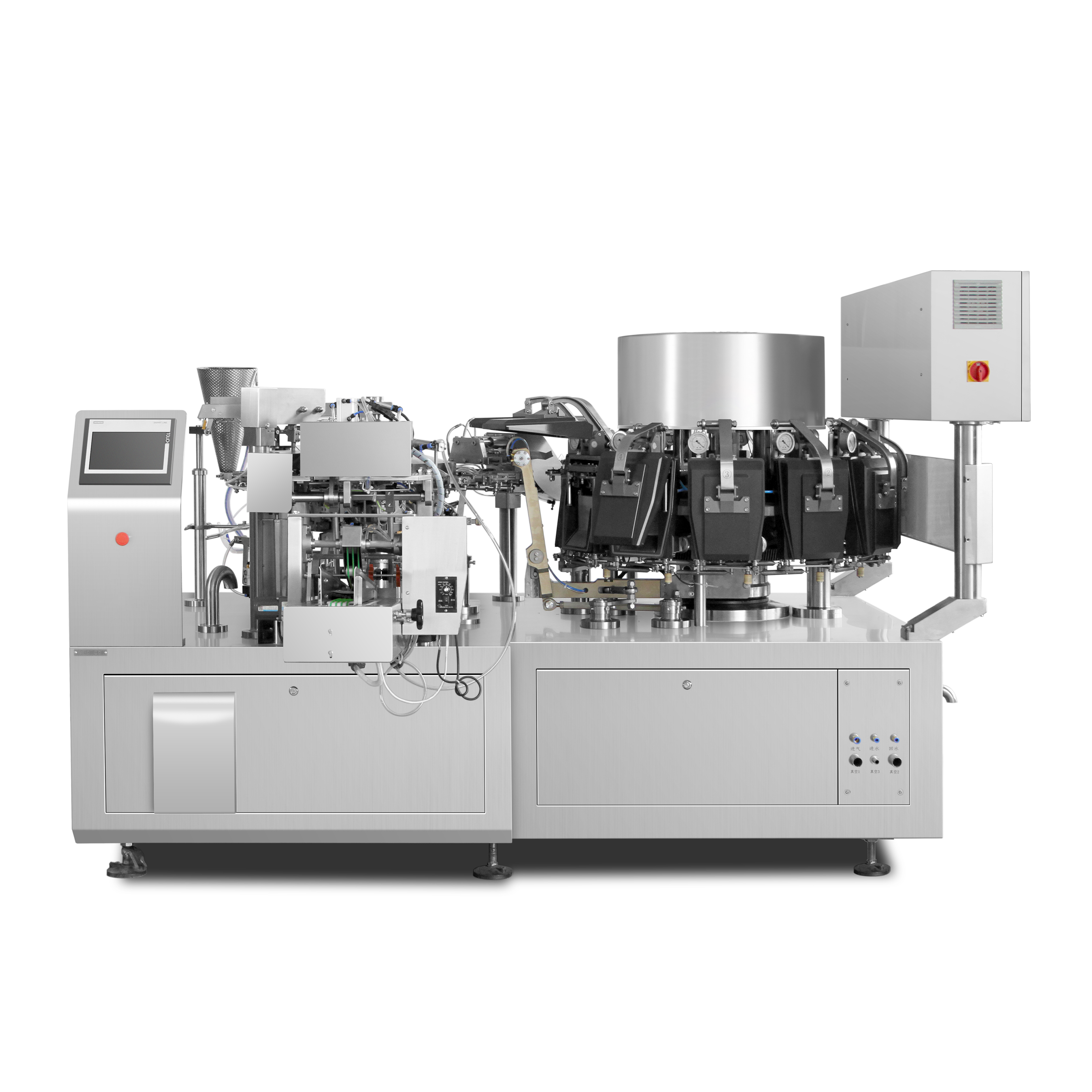
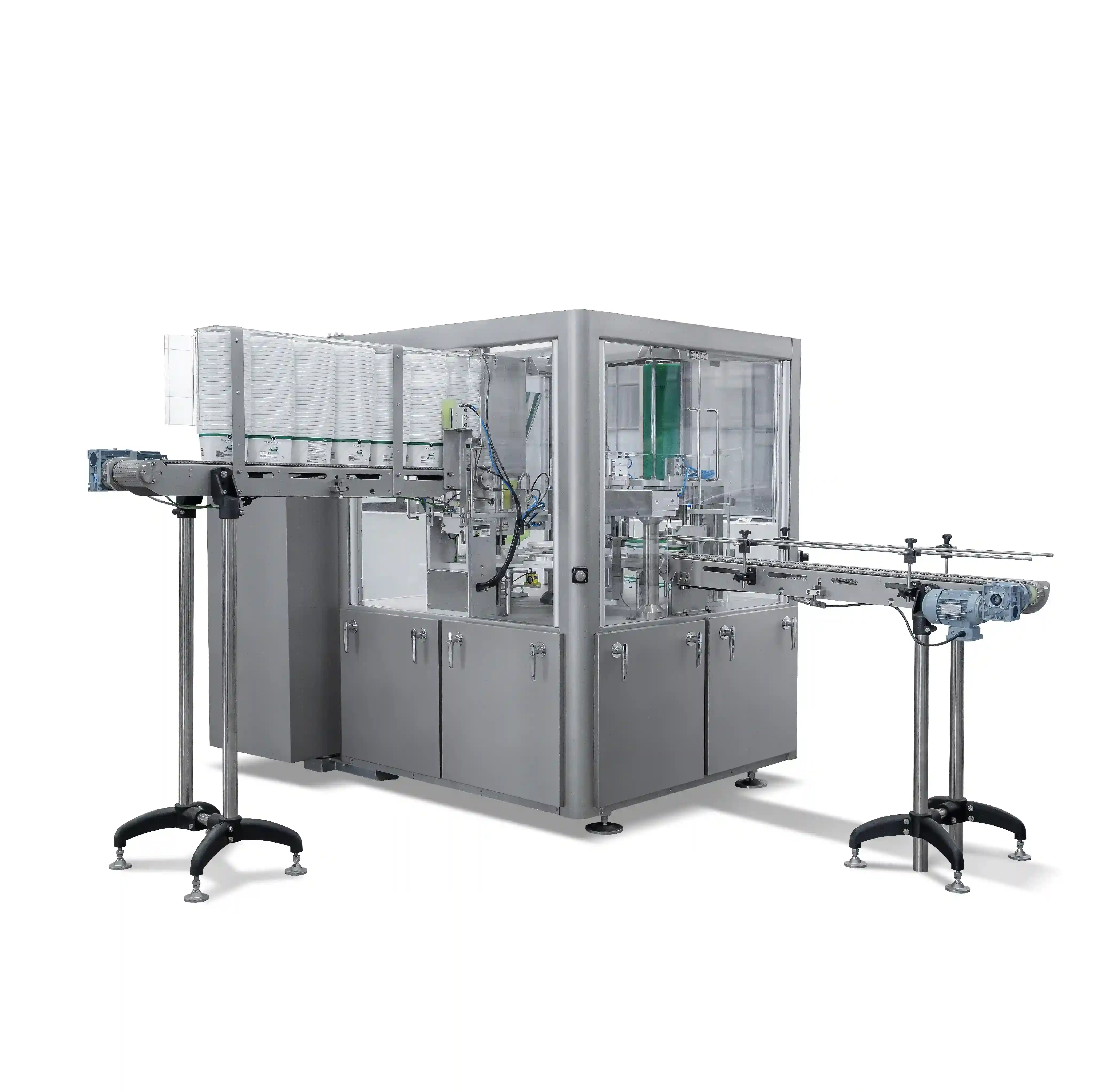
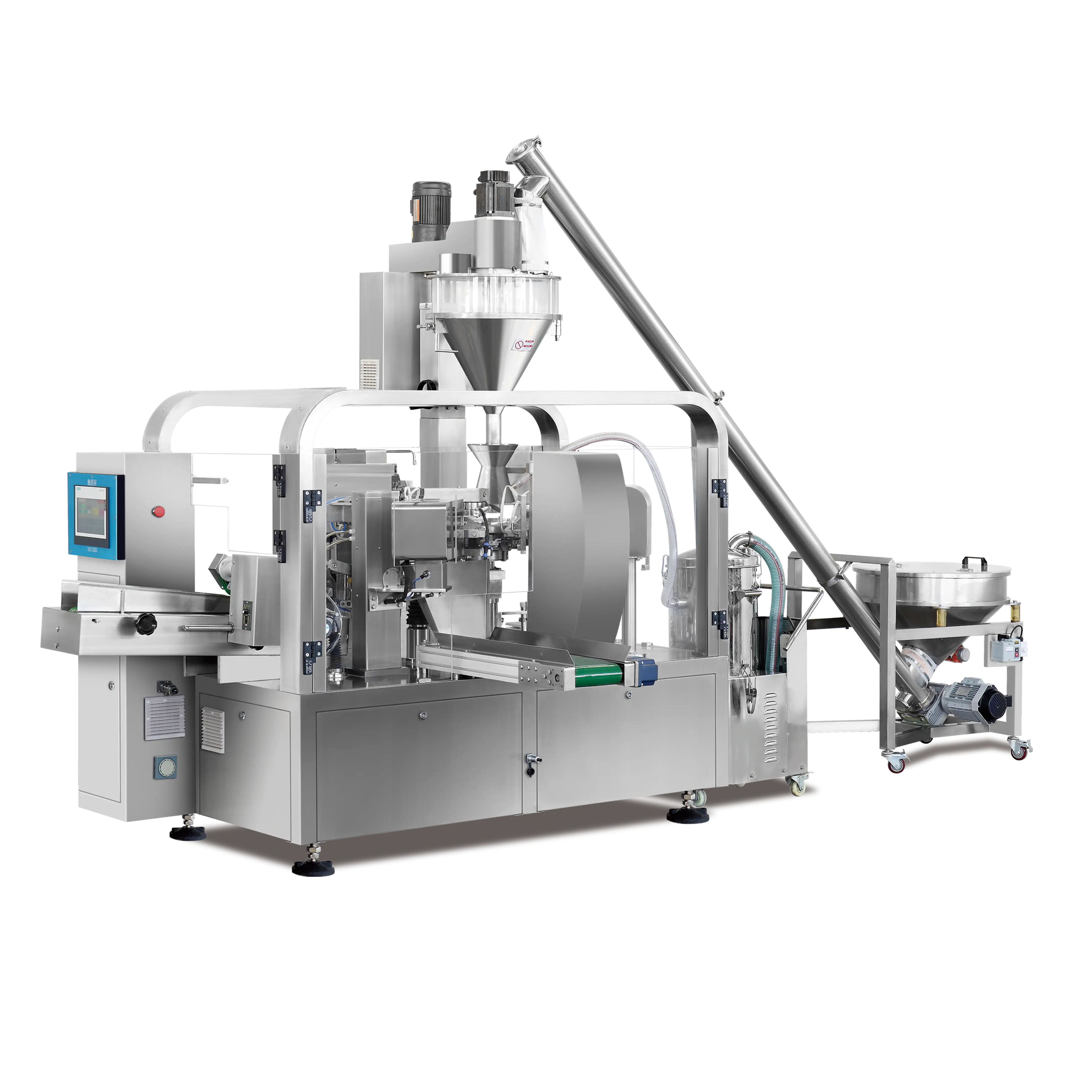
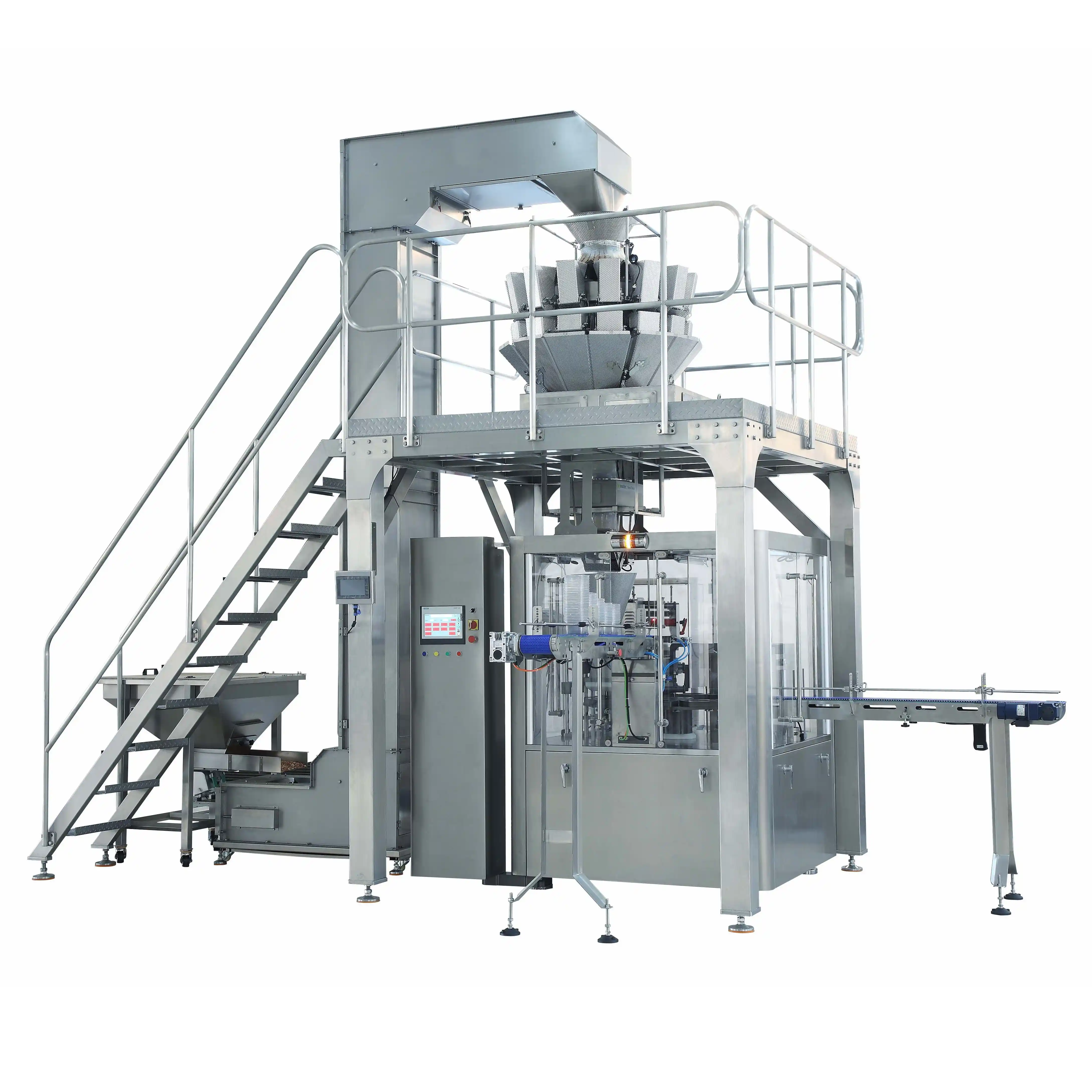
Contraction Cup Filler for Cup-Based Volumetric Dosing
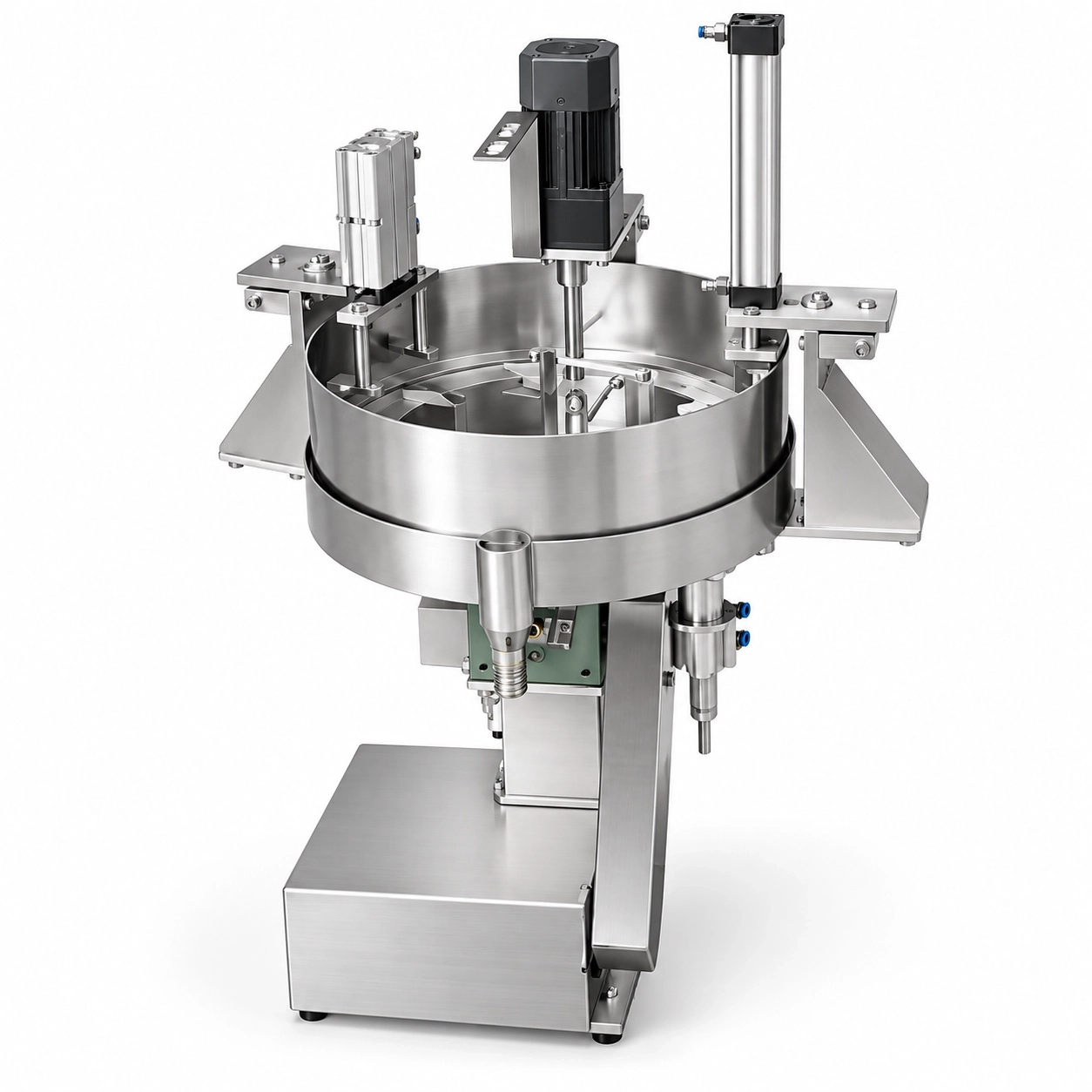
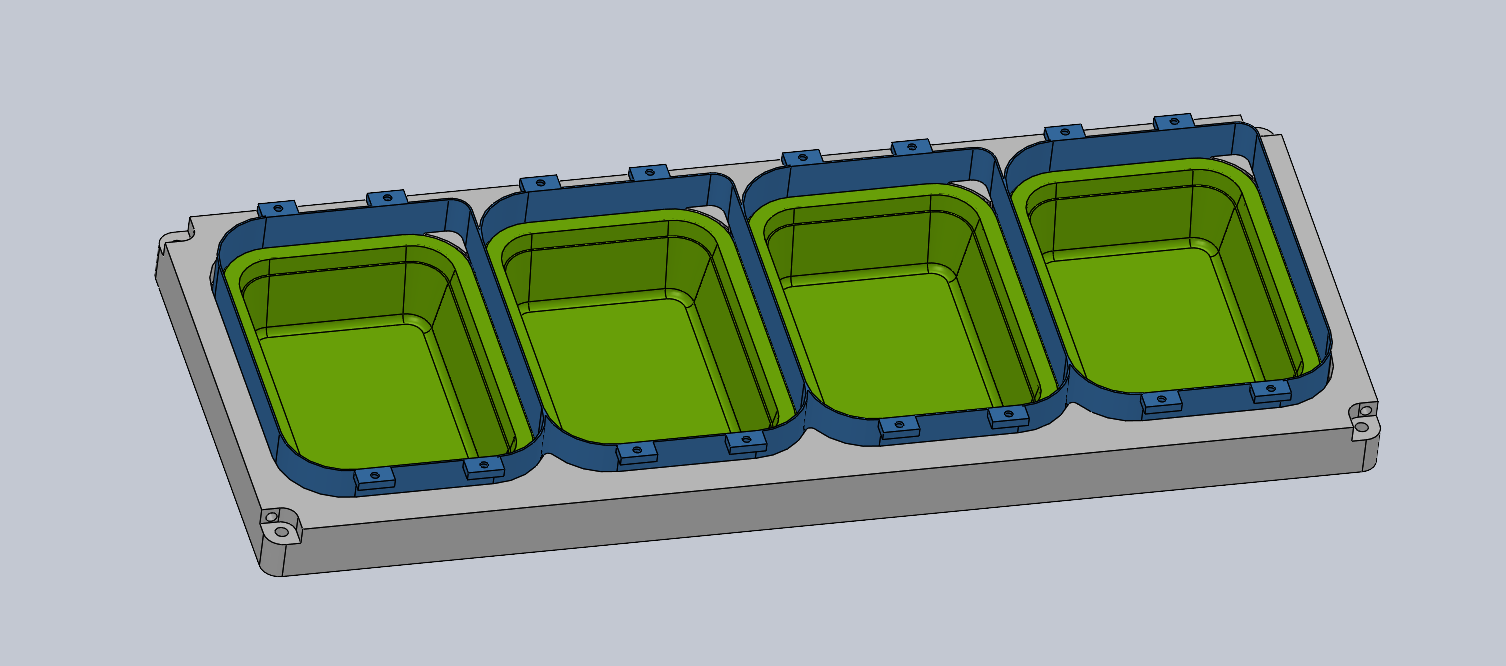
The Contraction Cup Filler is cup-based filling equipment for packaging projects that use volumetric dosing. It is intended for applications in which a material is presented to a filling stage, measured in a cup-based format, and delivered into the receiving package. The Contraction Cup Filler gives a packaging line a clear dosing method to discuss at the start of a project: product condition, target portion, package format, and the handoff between filling and the next operation.
A Contraction Cup Filler should be considered in relation to the actual product rather than by name alone. Materials can flow, settle, bridge, stick, or separate in different ways. Those characteristics influence how a cup-based dose is filled and released. For that reason, the material form, typical particle size, desired portion, and package dimensions are useful starting points when discussing a Contraction Cup Filler.
Verified Equipment Information
| Item |
Available Information |
| Equipment category |
Contraction Cup Filler |
| Dosing method |
Cup-based filling |
| Packaging role |
Volumetric dosing before the receiving package |
The available product information identifies the Contraction Cup Filler as cup-based filling equipment. It does not state a fixed cup volume, output rate, power requirement, accuracy value, machine size, or confirmed material range. These details depend on the project configuration and can be discussed from the material sample and packaging requirement.
In a cup-based process, the relationship between cup volume and bulk behavior matters. A material that settles differently during handling may require a different discussion from a material that flows freely. Put simply, the Contraction Cup Filler provides the cup-based dosing method; the final setup should reflect the product and package used on the line.
How Cup-Based Filling Fits a Packaging Process
The working sequence begins with product feed to the dosing area. The cups receive the material as part of the filling cycle, then the measured portion moves toward the receiving package. After filling, the package continues to the relevant closing or downstream process. This sequence makes the Contraction Cup Filler relevant where the dosing stage must coordinate with the way packages are presented and moved through the line.
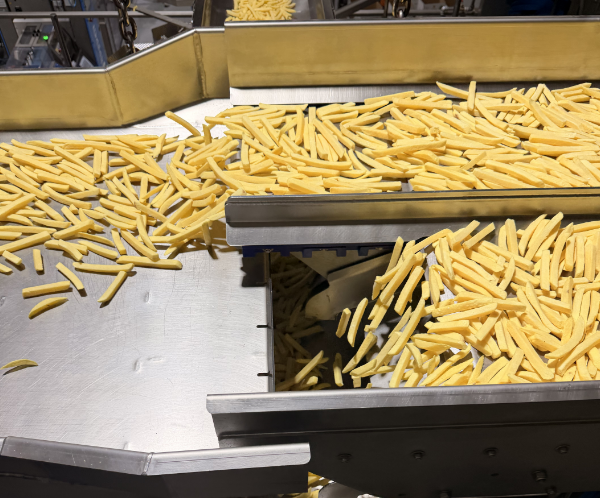
Stable infeed is an important practical consideration. Product delivery should be reviewed for consistent material presentation at the dosing stage, especially when the product can bridge, cling, or vary in bulk condition. The Contraction Cup Filler can therefore be discussed together with upstream feeding equipment and downstream package handling, rather than as an isolated station.
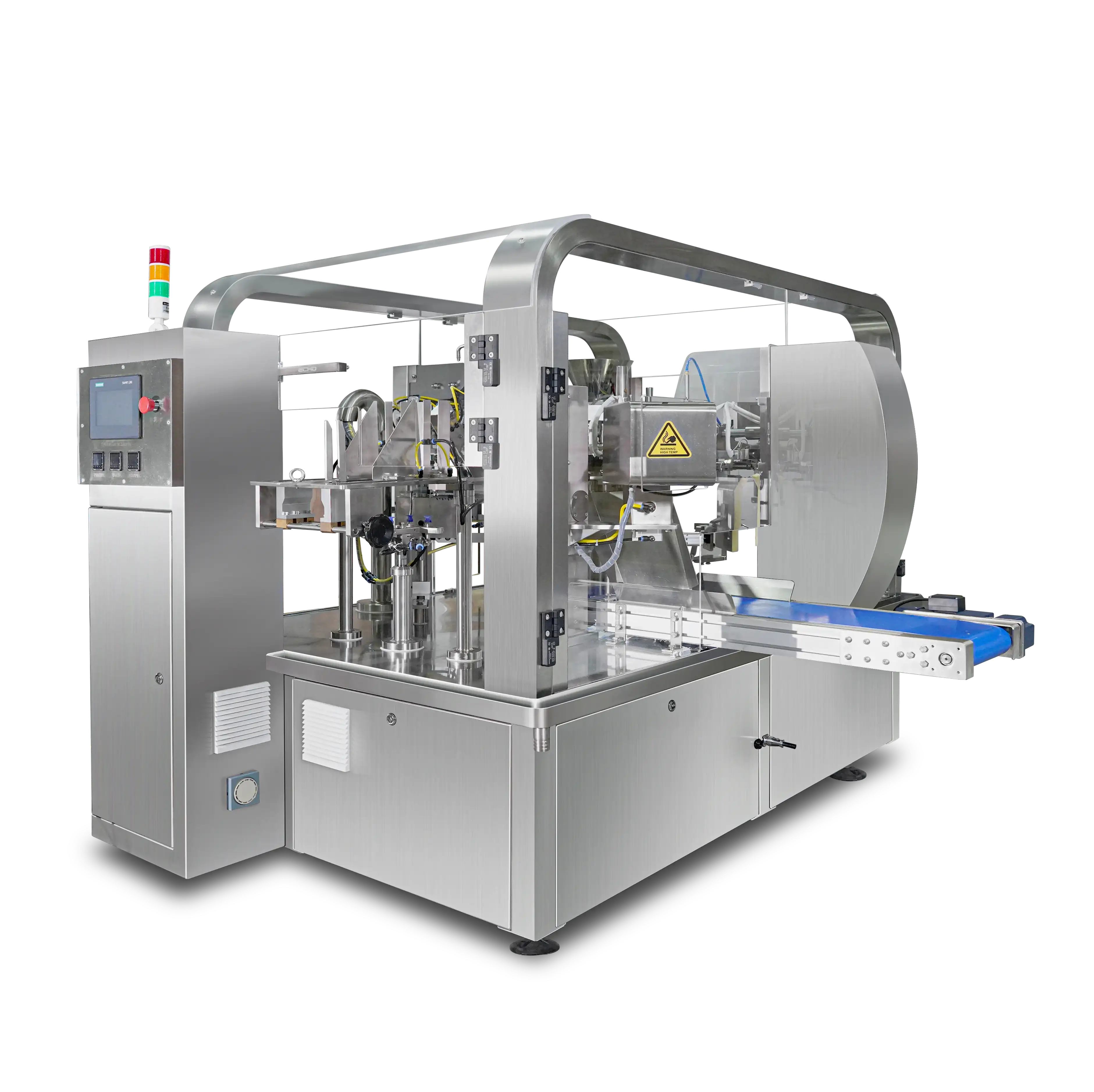
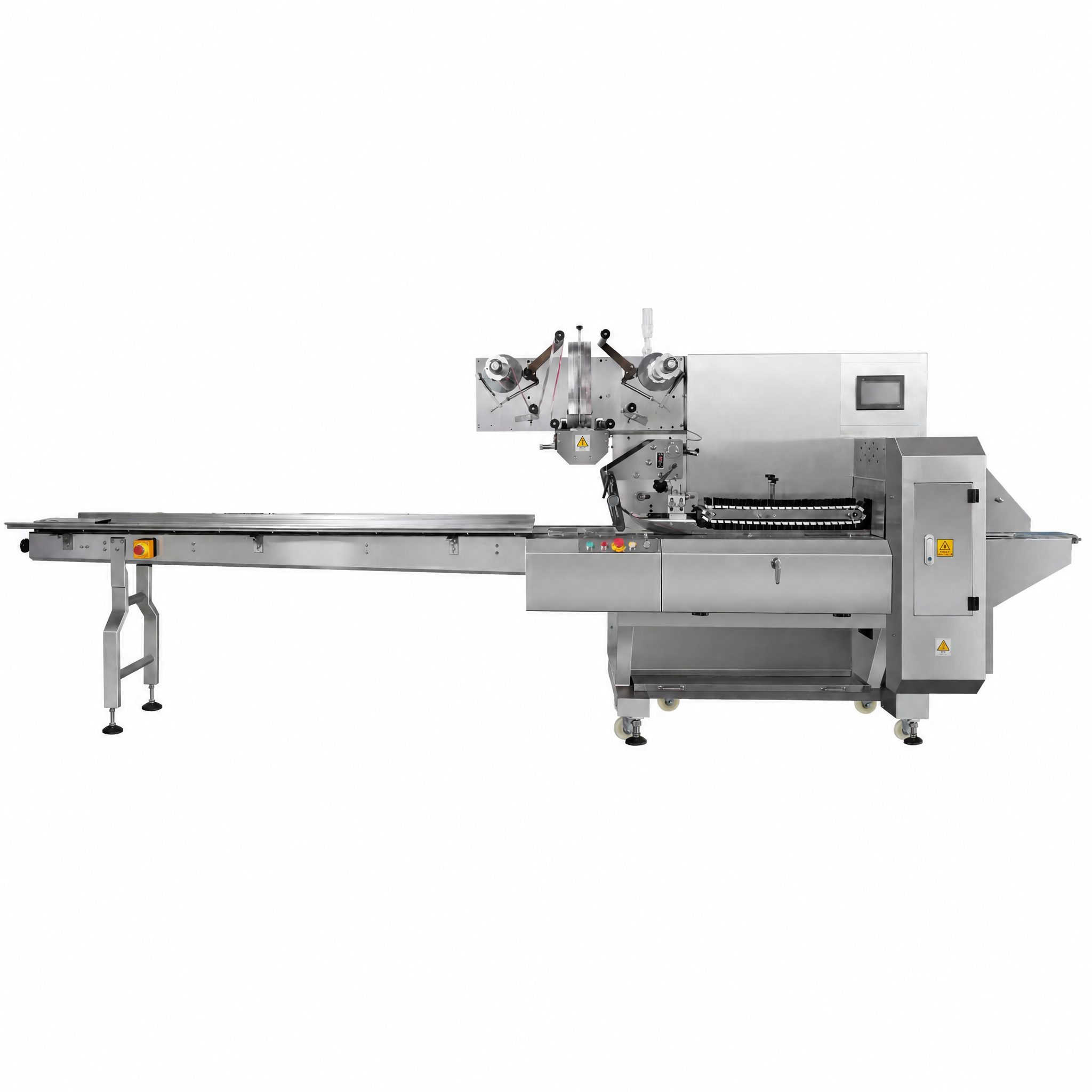
For projects that include horizontal form fill equipment, the filler discussion can focus on how the portioning stage relates to package presentation and transfer. The exact interface and operating arrangement should match the selected packaging process. This keeps the role of the Contraction Cup Filler clear without assuming an unprovided line configuration.
Key Features to Consider
-
Cup-based dosing method: The Contraction Cup Filler uses a cup-based approach for volumetric portioning.
-
Material-focused setup: Product flow, density, particle size, and settling behavior are useful considerations for the filling discussion.
-
Portion-and-package relationship: Target portion and receiving package dimensions help define the packaging requirement.
-
Line-integration perspective: The Contraction Cup Filler can be considered with upstream feed, package handling, and the downstream closing process.
-
Practical access considerations: Cleaning, inspection, and equipment positioning can be reviewed as part of the line arrangement.
These are process considerations, not fixed performance claims. The appropriate arrangement of a Contraction Cup Filler depends on the material and package used in the application. A compact product discussion is most useful when it connects the dosing method to the real movement of materials and packs through the production workflow.
Application Discussions
Volumetric Packaging Projects
The Contraction Cup Filler can be discussed for packaging projects that require a cup-based method of portioning suitable materials. Before deciding on an arrangement, it is useful to identify the material form, target portion, package style, and expected production routine. The equipment category supports a conversation about volumetric dosing without suggesting that every material behaves in the same way.
Packaging for Wine and Related Pack Formats
For a project involving packaging for wine, the relevant packaging path and the material being dosed should be clarified before selecting a filling method. A Contraction Cup Filler may form part of a wider packaging conversation when the planned product, package, and dosing requirement are defined.
Detergent Packaging Machine Projects
When a buyer is considering a detergent packaging machine, material behavior and the intended package are especially useful topics for a technical conversation. The Contraction Cup Filler is described as cup-based equipment, while the suitability of a particular detergent application depends on the product form and required filling process. Sharing representative material and package details helps keep the discussion practical.
Packaging Line Coordination
The Contraction Cup Filler can be positioned as one part of a packaging workflow. Upstream equipment needs to present material to the dosing area in a workable condition. The receiving package needs to be available when the portion is delivered. Downstream equipment then handles the next packaging step. Looking at these connections helps define where the Contraction Cup Filler fits within the planned line.
Cleaning access and inspection space can also be considered while arranging equipment positions. If the application has particular hygiene or maintenance expectations, the product-contact area and surrounding zones should be discussed with the planned process in mind.
Work with ECHO on Your Filling Requirement
ECHO provides packaging machinery for projects that require a clear connection between material handling, filling, package movement, and the downstream process. As a china packaging machine manufacturer, ECHO can discuss the Contraction Cup Filler in relation to the product sample, target portion, package dimensions, and planned line layout.
To begin a focused inquiry, share the product form, typical particle size, target portion, receiving package dimensions, and expected SKU changes. These details help shape a practical discussion about the Contraction Cup Filler and its place in your packaging workflow. Contact ECHO to discuss a cup-based filling requirement for your specific project.

 EN